
Do pacemakers limit exercise or activity?
One of the most common misconceptions about heart devices is that they turn you into an invalid. In reality, a pacemaker is designed to do the exact opposite: it is a tool to help you return to an active lifestyle. For most patients in the UK, a pacemaker removes the previous limitations caused by a slow heart rate, such as extreme fatigue and breathlessness, allowing them to engage in exercise more safely than before.
In this article, you will learn how modern pacemakers use sensors to speed up your heart rate during movement, which activities are recommended, and the specific high impact sports that require caution. We will also discuss the 2025 clinical guidelines for safely returning to physical activity.
What We’ll Discuss in This Article
- How rate responsive sensors support exercise
- Recommended activities for pacemaker patients
- The timeline for returning to vigorous activity
- High impact and contact sports: What to avoid
- Monitoring your intensity: The Borg Scale vs. Heart Rate
- Exercise safety and device protection
- Internal Link Suggestions for living with a pacemaker
Rate response: The device that moves with you
Most modern pacemakers feature a technology called rate response. This uses a built in sensor, usually an accelerometer, to detect body movement or changes in your breathing. When the device senses you are being active, it automatically increases your heart rate to ensure your muscles receive enough oxygenated blood.
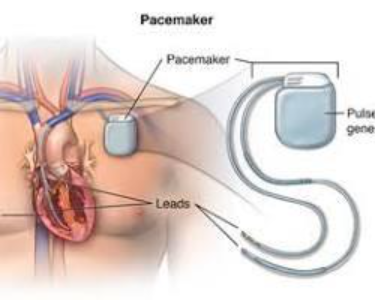
In the UK, a cardiac physiologist can fine tune these settings during your clinic visits. If you find that you get breathless too easily when walking uphill, or if your heart rate stays high for too long after you stop, the device can be reprogrammed to better match your personal fitness levels.
- Accelerometer: A sensor that detects physical vibration and movement.
- Rate Responsive Pacing: The ability of the device to adjust the heart rate based on activity.
- Tidying the Settings: Clinical adjustments made to ensure the heart rate transition feels natural.
- Minute Ventilation: A more advanced sensor that measures breathing rate to guide pacing.
Recommended activities and sports
Once you have passed the initial six week healing phase, almost all low to moderate impact activities are encouraged. Regular exercise helps maintain the health of your heart muscle and improves the overall effectiveness of your pacemaker.
- Walking and Hiking: Excellent for cardiovascular health and easy to monitor.
- Swimming: A great full body workout, but you should wait until the surgical wound is completely healed and the leads are stable, usually 6 to 8 weeks.
- Cycling: Safe on flat surfaces; avoid mountain biking with high vibration until cleared by your doctor.
- Golf and Racket Sports: Generally safe, though you should avoid very heavy overhead serving if the device is on your dominant side.
What activities should be avoided?
While a pacemaker allows for a full life, there are a few specific restrictions designed to protect the pulse generator and the leads from mechanical damage.
- Full Contact Sports: Activities like rugby, boxing, and martial arts carry a high risk of a direct blow to the pacemaker site, which could crack the casing or displace a lead.
- High Impact Vibration: Using heavy machinery like a jackhammer or prolonged mountain biking on very rough terrain can sometimes confuse the rate response sensor.
- Heavy Weightlifting: Very heavy bench presses or military presses can put excessive pressure on the collarbone area where the leads enter the vein.
- Target Shooting: If you use a shotgun or rifle, you should use the shoulder on the opposite side of your pacemaker to avoid the recoil hitting the device.
The timeline for returning to exercise
Recovery happens in stages. In the UK, the following timeline is a standard clinical guide used in 2025 to ensure the long term stability of the device.
- Weeks 1 to 2: Gentle walking only. Do not lift the arm on the pacemaker side above shoulder height.
- Weeks 3 to 6: Gradually increase walking distance. You can begin light lower body exercises but still avoid heavy lifting or reaching high.
- Weeks 6+: Following your first technical checkup, you can usually begin to reintroduce more vigorous activities like jogging, swimming, or light gym work.
- Month 3: Most patients are cleared for all normal activities, including golf and non contact sports.
Conclusion
A pacemaker is not a barrier to exercise; it is an enabler. By providing a reliable heart rate, it gives you the confidence to stay active and improve your cardiovascular fitness. While a few high impact sports require caution or protection, the vast majority of activities are safe and highly beneficial. Living with a pacemaker in 2025 means having the technology to support your movement, allowing you to focus on your health rather than your heart rate.
If you experience severe, sudden, or worsening symptoms, such as a sudden blackout, a heart rate that feels inappropriately fast for your activity, or chest pain during exercise, call your cardiac team or 111 immediately.
Can I still do yoga or Pilates?
Yes, but avoid extreme stretching or poses that put direct pressure on the pacemaker site for the first six weeks.
Will the pacemaker fall out if I run?
No. The device is placed in a secure pocket and usually stitched to the muscle. It is very stable once the initial healing is complete.
What is the Borg Scale?
Since a pacemaker controls your heart rate, you cannot always rely on a pulse watch. The Borg Scale is a way to measure how hard you feel you are working instead.
Can I wear a chest protector for sports?
Yes, specialized shirts with padding over the pacemaker site are available if you play sports like cricket or baseball where a ball could hit your chest.
Is it safe to use a treadmill?
Yes, treadmills are safe. Just be careful with the safety clip to ensure it does not snag on your clothing near the device.
Can I go scuba diving?
Most pacemakers are rated for certain depths. You must check with your manufacturer and a diving specialist doctor before diving.
Why do I feel a thumping in my chest when I exercise?
This may be the pacemaker increasing your heart rate. If it feels uncomfortable, the settings can often be adjusted at your next clinic visit.
Authority Snapshot
This article was written by Dr. Rebecca Fernandez, a UK trained physician with an MBBS and extensive experience in cardiology, intensive care, and internal medicine. Having stabilized acute trauma cases and provided comprehensive inpatient care for cardiac patients in the NHS, Dr. Fernandez provides expert insight into balancing physical activity with heart device safety. This content follows 2025 clinical guidelines to ensure accurate health information.
