
Can sarcoidosis come back after remission?
Sarcoidosis is a systemic inflammatory condition where the body’s immune system creates small clusters of cells called granulomas in various organs. While many people experience a full and permanent recovery, it is possible for the condition to return after a period of remission. Understanding the difference between a temporary flare-up and a long-term recurrence is a key part of managing the condition and ensuring that any new inflammation is identified and addressed by medical professionals.
What We’ll Discuss in This Article
- The clinical definition of remission and recurrence in sarcoidosis.
- The likelihood of the condition returning after a successful recovery.
- How to recognise the early signs of a sarcoidosis flare-up.
- Factors that may increase the risk of the condition reappearing.
- The difference between acute resolution and chronic relapsing patterns.
- How doctors monitor patients for long-term stability.
The possibility of sarcoidosis recurrence
Sarcoidosis can return after a period of remission, although this occurs in a minority of cases for those who have experienced a complete resolution of symptoms. Most people who achieve remission, especially those with an acute presentation like Löfgren’s syndrome, do not see the condition return during their lifetime. However, for a small group of patients, the immune system may be triggered again, leading to the formation of new granulomas in previously affected or entirely new organs.
According to NHS guidance, the risk of the condition returning is generally higher within the first few years after treatment has stopped or after symptoms have first disappeared. If the condition has remained inactive for more than three years, the chance of a recurrence becomes significantly lower. Because of this possibility, UK clinicians often advise patients to remain aware of their original symptoms and to seek a review if they notice a return of persistent fatigue, cough, or skin changes.
Identifying a sarcoidosis flare-up
A flare-up is often characterised by the return of familiar symptoms such as breathlessness, a dry cough, or a feeling of profound exhaustion. Unlike the initial diagnosis, where the cause of symptoms may be unknown, patients who have had sarcoidosis before are often very attuned to the specific ways the condition affects their body. These signs indicate that the immune system has moved from a state of rest back into an active inflammatory phase.
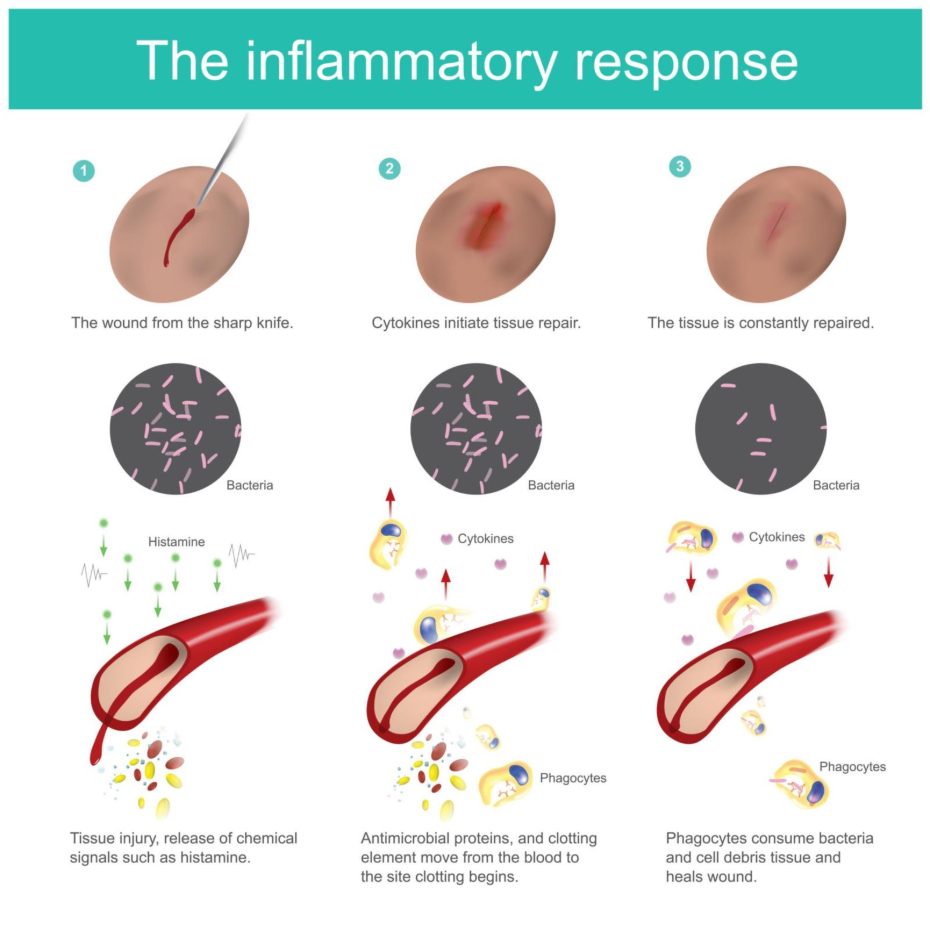
In addition to respiratory signs, a flare-up might manifest as new skin rashes, red and painful eyes, or joint swelling. NICE clinical standards suggest that any new or returning symptoms should be evaluated using the same diagnostic tools as the initial illness, such as blood tests to check calcium levels and chest imaging. Early identification of a flare-up allows for prompt monitoring and helps determine if the inflammation will settle naturally again or if medical intervention is required.
Comparing acute resolution and chronic relapsing
The pattern of how sarcoidosis behaves initially often provides clues as to whether it is likely to return after remission.
| Feature | Acute Resolution (One-off) | Chronic Relapsing Pattern |
| Initial Presentation | Sudden onset, often with joint pain. | Gradual onset with persistent symptoms. |
| Remission Speed | Often resolves within 12 to 24 months. | May take several years to settle. |
| Risk of Return | Very low; most never have a second episode. | Higher; may have periods of activity and rest. |
| Organ Damage | Rarely leaves any permanent scarring. | Higher risk of gradual tissue changes (fibrosis). |
| Monitoring Need | Discharge often possible after 2 years. | Requires long-term specialist oversight. |
Risk factors for recurrence
While any patient can experience a recurrence, certain factors may make the immune system more prone to becoming active again. Individuals who had involvement in multiple organs during their first episode, or those who required a long course of corticosteroid treatment, may have a higher risk of the condition returning. Demographic factors, including ethnicity and age at the time of the first diagnosis, also play a role in how the disease behaves over several decades.
Environmental triggers are also thought to play a role in triggering a second episode of inflammation. Exposure to certain types of dust, fumes, or significant systemic stress can sometimes act as a catalyst for a susceptible immune system to begin forming granulomas again. While these triggers are difficult to avoid entirely, maintaining a healthy lifestyle and protecting respiratory health can support the body’s ability to remain in a stable state of remission.
Long-term monitoring and follow-up
Consistency in follow-up care is the most effective way to ensure that any recurrence of sarcoidosis is caught before it can cause significant issues. For patients in the UK, this usually involves periodic check-ups with a respiratory specialist or an internal medicine consultant for at least a few years after the condition has settled. These appointments often include lung function tests to provide an objective measure of respiratory health.
If a patient remains in remission for a long period, they may eventually be discharged from regular hospital follow-up. However, they are typically given clear instructions on which symptoms should prompt a return to their doctor. This long-term awareness acts as a safety net, ensuring that even if the condition returns years later, it can be managed effectively using the established clinical pathways for inflammatory disease.
Conclusion
While it is possible for sarcoidosis to return after remission, the majority of people experience a permanent recovery without further episodes. Recurrence is more common in the first few years following remission and is more likely in those who previously had chronic or multi-organ involvement. Maintaining an awareness of returning symptoms and attending all recommended follow-up checks ensures that any new inflammation is managed safely to protect long-term organ function.
If you experience severe, sudden, or worsening symptoms, call 999 immediately. This is especially important if you develop sudden difficulty breathing, severe chest pain, or changes in your vision or heart rhythm.
Can sarcoidosis come back after 10 years?
While rare, it is possible for sarcoidosis to reappear after many years of remission, which is why patients should always report returning symptoms to a doctor.
Is a second episode of sarcoidosis more severe than the first?
Not necessarily; a recurrence can be milder, similar, or more severe than the initial episode, and each occurrence is managed based on the current symptoms.
Does stress cause sarcoidosis to return?
Stress does not directly cause sarcoidosis, but significant physical or emotional stress can impact the immune system, potentially making a flare-up more likely in susceptible people.
How do I know if I am in remission or just having a “good day”?
Remission is a clinical state confirmed by a doctor using tests and imaging to show that the inflammation is no longer active in your organs.
Will I have to go back on steroids if it returns?
Not necessarily; many flare-ups are mild and can be monitored through “watchful waiting” without the need for immediate medication.
Can sarcoidosis return in a different organ?
Yes, if sarcoidosis recurs, it can affect the same organs as before or involve entirely different parts of the body, such as the skin or eyes.
How common is it for sarcoidosis to return?
Most people with sarcoidosis recover and do not have a recurrence, but a minority of patients may experience a relapsing-remitting course.
Authority Snapshot (E-E-A-T Block)
This article was created to provide the general public with factual and safe information regarding the long-term outlook of sarcoidosis. The content is authored and reviewed by UK-trained medical professionals, including Dr. Rebecca Fernandez, and adheres strictly to the clinical guidance provided by the NHS and NICE. Our priority is ensuring that patients receive evidence-based health information that aligns with current UK medical standards.
