
Can Tuberculosis Affect Organs Other than the Lungs?
Tuberculosis is an infectious disease primarily associated with the respiratory system, but it is capable of affecting almost any part of the human body.When the bacteria responsible for the infection spread beyond the lungs to other organs or tissues, the condition is referred to as extrapulmonary tuberculosis. While pulmonary tuberculosis is the most common form and the only type typically capable of spreading to other people, extrapulmonary cases represent a significant proportion of diagnoses in the United Kingdom. Understanding the various ways this infection manifests is vital for ensuring timely diagnosis and appropriate clinical management.
What We’ll Discuss in This Article
- The definition and development of extrapulmonary tuberculosis
- Common sites of infection including lymph nodes, bones, and the brain
- Why certain individuals are more susceptible to non-respiratory TB
- Diagnostic methods used to identify infection in different organs
- Treatment durations and medication protocols for various sites
- The lack of infectivity associated with most extrapulmonary forms
Understanding Extrapulmonary Tuberculosis
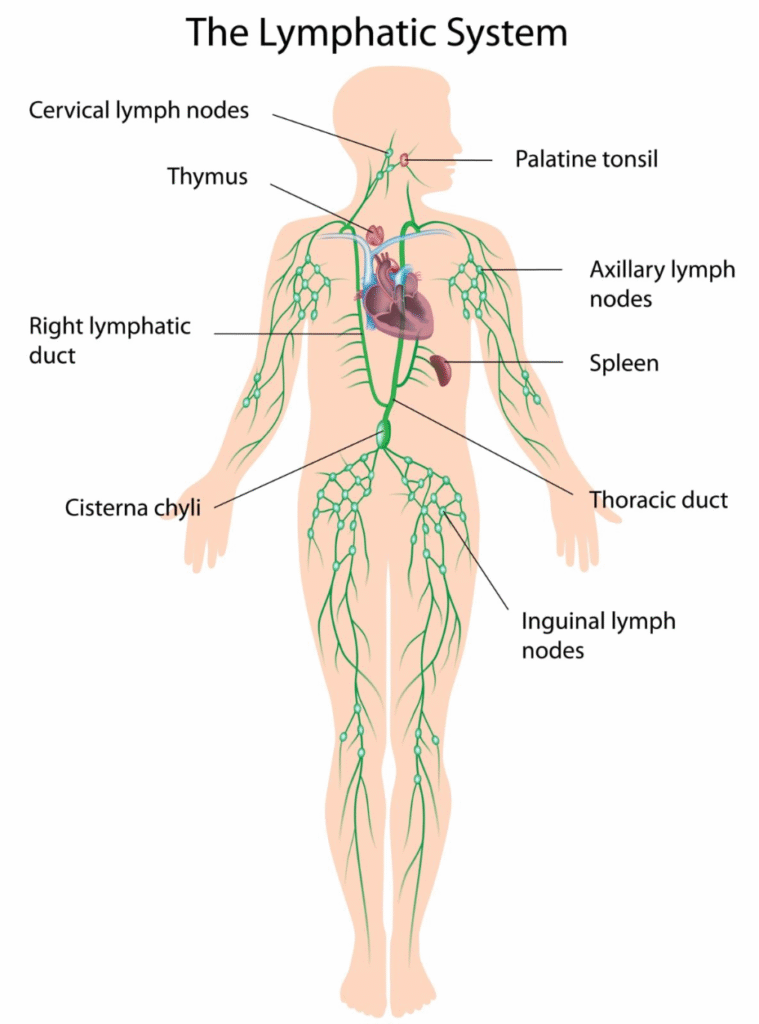
Extrapulmonary tuberculosis occurs when the Mycobacterium tuberculosis bacteria travel through the lymphatic system or the bloodstream to settle in other areas of the body.
Shutterstock
This can happen shortly after the initial infection or many years later if a latent infection becomes active and spreads. While the lungs remain the most frequent site of disease, the bacteria can remain dormant in other tissues for long periods before causing symptoms. Unlike the pulmonary form, extrapulmonary TB is generally not infectious to others because the bacteria are contained within the body and not expelled into the air through coughing.
Common Sites of Infection and Their Symptoms
The symptoms of tuberculosis outside the lungs vary significantly depending on which organ system is affected.In many cases, patients experience general symptoms such as fever, night sweats, and unexplained weight loss alongside site-specific signs.
- Lymph Nodes: This is the most common form of extrapulmonary TB in the UK, often causing persistent, painless swelling in the neck glands.
- Bones and Joints: The infection can affect the spine or large joints, leading to persistent pain, stiffness, and in severe cases, structural damage.
- Central Nervous System: If the bacteria reach the membranes surrounding the brain, they can cause tuberculous meningitis, which manifests as headaches, confusion, and neck stiffness.
- Digestive System: Abdominal TB can cause tummy pain, bloating, and changes in bowel habits.
- Genitourinary System: The infection may affect the kidneys or bladder, potentially causing blood in the urine or sterile urinary tract infections.
Diagnosis and Clinical Investigation
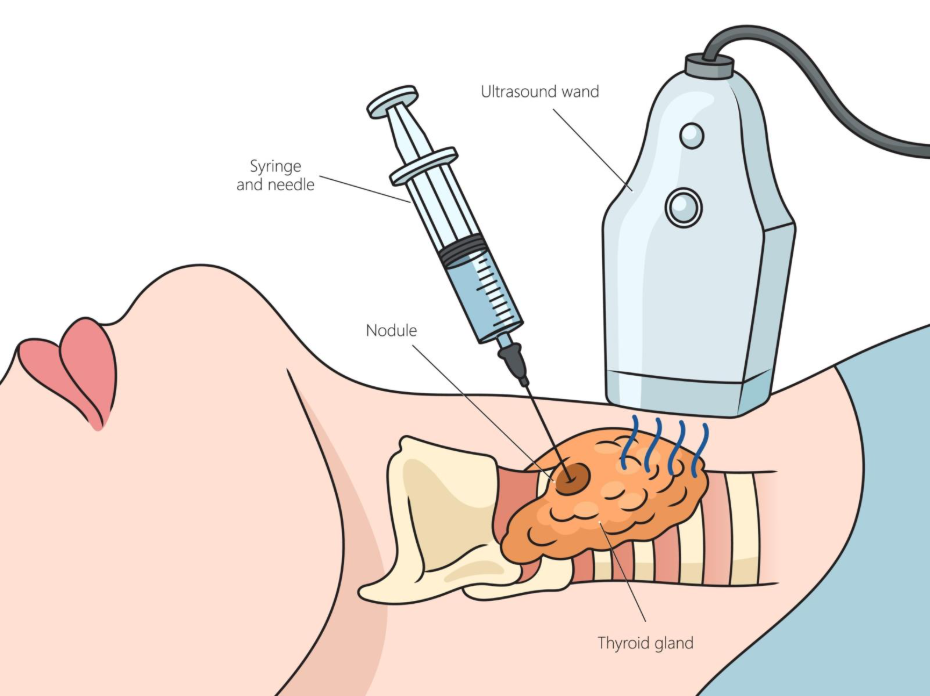
Identifying tuberculosis in organs other than the lungs often requires more invasive procedures than a standard chest X-ray or phlegm sample. Because the bacterial load in these tissues can be low, doctors often need to collect a small sample of fluid or tissue from the suspected site, a procedure known as a biopsy.
Shutterstock
Imaging such as CT scans, MRI scans, or ultrasound may also be used to assess the extent of the infection and look for characteristic changes in the affected organs. Blood tests and urine samples are frequently included in the diagnostic workup to support the clinical findings.
Treatment Protocols for Extrapulmonary TB
The treatment for extrapulmonary tuberculosis follows a similar structure to pulmonary TB, utilizing a combination of specific antibiotics over several months. Most cases are treated with a standard six-month course of medication to ensure the bacteria are completely eradicated. However, for certain serious forms of the disease, such as infection of the brain or the bones and joints, the treatment duration may be extended to twelve months. NICE guidelines recommend specific antibiotic regimens and durations based on the site of the tuberculosis infection. In some instances, such as tuberculous meningitis, a short course of steroid medication may be added to reduce inflammation and prevent complications.
Comparing Pulmonary and Extrapulmonary Tuberculosis
| Feature | Pulmonary Tuberculosis | Extrapulmonary Tuberculosis |
| Primary Site | Lungs and airways | Any organ (e.g., lymph nodes, bones, brain) |
| Infectivity | Can be passed to others via coughing | Generally not infectious to others |
| Common Symptom | Persistent cough (often with blood) | Swollen glands or site-specific pain |
| Diagnosis | Chest X-ray and sputum samples | Biopsy, scans, and fluid analysis |
| Treatment Length | Usually 6 months | 6 to 12 months depending on the site |
Conclusion
Tuberculosis is a versatile pathogen that can manifest in various ways, often presenting a diagnostic challenge when it occurs outside the lungs. While the condition is serious, it is highly treatable with the correct course of antibiotics, and most patients make a full recovery when they adhere to the prescribed treatment plan. Awareness of the diverse symptoms of extrapulmonary TB ensures that those at risk can seek medical attention promptly. If you experience severe, sudden, or worsening symptoms, call 999 immediately.
Is extrapulmonary TB contagious?
Generally, tuberculosis affecting organs other than the lungs or throat is not infectious and cannot be passed to other people through the air.
Can you have both pulmonary and extrapulmonary TB at the same time?
Yes, it is possible for the infection to be active in both the lungs and another part of the body simultaneously.
Why is treatment longer for bone or brain TB?
Antibiotics take longer to reach effective levels and eradicate bacteria in these specific tissues compared to the lungs or lymph nodes.
Are children more likely to get extrapulmonary TB?
Children and individuals with weakened immune systems are statistically more likely to develop forms of tuberculosis that spread beyond the lungs.
Will the swelling in my lymph nodes go away immediately with treatment?
Swollen glands can take several weeks or even months to reduce in size after starting effective antibiotic therapy.
Can TB affect the skin?
Yes, though rare in the UK, tuberculosis can manifest as various types of skin lesions or ulcers
Is surgery ever needed for extrapulmonary TB?
Surgery is rarely needed but may be used to drain an abscess or to repair damage caused by spinal tuberculosis.
Authority Snapshot (E-E-A-T)
This educational guide is created by the Medical Content Team to provide accurate information on the diverse manifestations of tuberculosis. The content is strictly aligned with the clinical pathways and health advice provided by the NHS and NICE. This article has been reviewed by a UK-trained physician with experience in general medicine and infectious disease management to ensure clinical reliability.
