
What is deep vein thrombosis and how is it related to pulmonary embolism?
Deep vein thrombosis is a medical condition that occurs when a blood clot forms in a deep vein, most commonly in the leg, which can lead to serious complications if the clot detaches. A pulmonary embolism is the direct and often life-threatening consequence of such a clot travelling through the bloodstream and blocking an artery in the lungs. Together, these two conditions are referred to as venous thromboembolism, representing different stages of the same underlying disease process where blood flow is obstructed.
What We’ll Discuss in This Article
- The clinical definition and primary symptoms of deep vein thrombosis.
- The physiological process by which a leg clot becomes a pulmonary embolism.
- Common risk factors that contribute to the formation of venous blood clots.
- How healthcare professionals in the UK diagnose both conditions.
- Treatment pathways used to manage clots and prevent them from moving.
- Essential emergency guidance for recognizing critical symptoms.
Understanding deep vein thrombosis
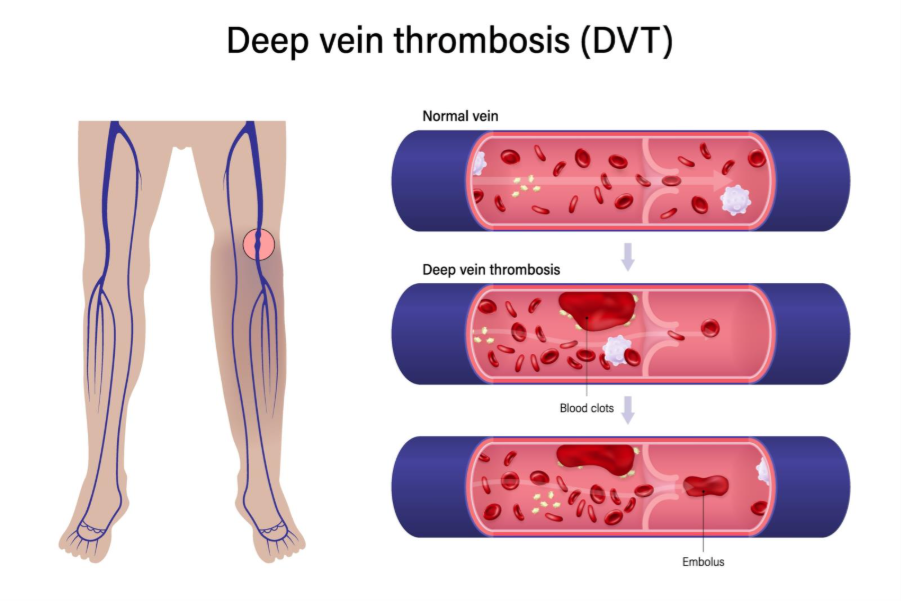
Deep vein thrombosis (DVT) is a blood clot in a vein, usually the leg, which can be very serious because the clot can break off and travel to the lungs. This condition typically manifests in the large veins of the calf or thigh, where blood flow may have become sluggish or the vein wall has been damaged. When a clot forms in these deep vessels, it obstructs the return of blood to the heart, leading to localized physical changes that require urgent medical assessment to prevent further escalation.
The symptoms of a deep vein clot are often confined to one limb and include swelling, redness, and a heavy ache in the affected area. The skin over the clot may feel warm to the touch or appear significantly more discoloured than the other leg. It is important to note that while these are the classic signs, some individuals may have very few symptoms until the clot begins to move, making an early clinical evaluation vital for anyone at high risk.
Shutterstock
Explore
The link between DVT and pulmonary embolism
A pulmonary embolism is directly related to deep vein thrombosis because it is almost always caused by a piece of the original leg clot breaking free and entering the circulation. Once the clot detaches, it is carried by the venous blood through the right side of the heart and into the pulmonary arteries. Because these arteries narrow as they enter the lungs, the clot eventually becomes lodged, creating a sudden blockage that prevents blood from being oxygenated.
A pulmonary embolism is a blocked blood vessel in your lungs that happens when a blood clot from another part of your body moves to the lungs. This event represents the most dangerous complication of DVT. While the leg clot causes local discomfort, the embolism affects the entire body’s oxygen supply and puts immediate strain on the heart muscle. Recognizing the transition from leg symptoms to respiratory symptoms is essential for identifying that a pulmonary embolism has occurred.
Comparing DVT and Pulmonary Embolism
While both conditions involve the same type of blood clot, their impact on the body and the symptoms they produce are distinct.
| Feature | Deep Vein Thrombosis (DVT) | Pulmonary Embolism (PE) |
| Primary Location | Deep veins of the leg, pelvis, or arm. | Pulmonary arteries within the lungs. |
| Typical Symptoms | Leg swelling, pain, heat, and redness. | Sudden breathlessness and sharp chest pain. |
| Medical Risk | Local tissue damage and risk of clot movement. | Life-threatening heart strain and low oxygen. |
| Diagnostic Goal | Identify the clot before it detaches. | Locate the blockage and assess heart strain. |
Export to Sheets
Risk factors for venous clots
Several factors can increase the risk of developing a blood clot, including being inactive for long periods, having surgery, or being pregnant. Immobility is a major contributor because the calf muscles are not active enough to pump blood back to the heart, allowing it to pool and clot. This is why hospital patients and people on long-distance flights are often advised to wear compression stockings or perform leg exercises.
Other underlying factors include being overweight, smoking, or using hormonal treatments such as the combined contraceptive pill or hormone replacement therapy. Certain medical conditions, such as cancer or heart disease, can also change the blood’s chemical balance, making it more prone to clotting. Managing these risks through lifestyle changes and medical guidance is the primary way to prevent both DVT and its progression to a pulmonary embolism.
Conclusion
Deep vein thrombosis is a serious condition where a blood clot forms in the deep veins, which can lead to a pulmonary embolism if the clot travels to the lungs. These two conditions are closely linked as part of a single disease process that requires prompt diagnosis and treatment with anticoagulant medication. Understanding the symptoms of both leg clots and lung blockages is vital for ensuring patient safety and preventing life-threatening complications.
If you experience severe, sudden, or worsening symptoms, call 999 immediately.
Can DVT happen in both legs at the same time?
While it is much more common for a blood clot to form in only one leg, it is possible for DVT to occur in both legs simultaneously, especially in patients with significant risk factors or underlying clotting disorders.
How long does it take for a leg clot to travel to the lungs?
Once a piece of a blood clot detaches from the vein wall, it can travel through the heart and into the lungs within a few seconds, leading to a sudden onset of respiratory symptoms.
Is DVT always painful?
No, DVT is not always painful; some people may only experience slight swelling or no symptoms at all, which is why it is often called a silent condition until it leads to a pulmonary embolism.
Can you have a pulmonary embolism without having DVT first?
Almost all pulmonary embolisms originate from a DVT, though the original clot might be in a less common location like the arm or the pelvis rather than the leg.
Are flight socks effective at preventing these conditions?
Compression stockings, or flight socks, are recommended for people at risk because they apply pressure to the legs to help maintain blood flow and prevent clots from forming during long periods of inactivity.
What is the standard treatment for a pulmonary embolism in the UK?
The standard treatment involves anticoagulant medicines that prevent the clot from growing and stop new clots from forming while the body naturally dissolves the existing blockage over several months.
Authority Snapshot
This article provides evidence-based information on the relationship between deep vein thrombosis and pulmonary embolism for public health education. The content is authored by Dr. Stefan Petrov, a UK-trained physician, and reviewed by the MyPatientAdvice clinical team to ensure alignment with NHS and NICE safety guidelines. All information is focused on accurate clinical pathways and emergency safety protocols.
