
Who is most at risk of developing a pulmonary embolism?
A pulmonary embolism is a serious medical condition caused by a blockage in a lung artery, and while it can affect anyone, certain individuals are at a significantly higher clinical risk due to their physical circumstances or health history. Identifying who is most vulnerable is essential for implementing preventative measures and recognizing early warning signs of blood clots. Understanding these risk factors allows for a proactive approach to vascular health, particularly during periods of increased susceptibility such as hospital stays or long distance travel.
What We’ll Discuss in This Article
- The impact of recent surgery and hospitalisation on blood clot risk.
- How prolonged immobility and travel can lead to venous blockages.
- The role of underlying medical conditions, including cancer and heart disease.
- The influence of hormonal factors such as pregnancy and specific medications.
- Lifestyle choices and physical characteristics that contribute to risk.
- When to seek urgent medical attention for suspected symptoms.
Getty Images
Surgery and hospitalisation risks
Individuals who have recently undergone major surgery or have been admitted to the hospital for an extended period are among those at the highest risk of developing a pulmonary embolism. The risk of a blood clot is higher if you are staying in hospital or have recently had an operation, especially on your legs, hips, or tummy. This increased vulnerability is caused by a combination of the body’s natural inflammatory response to surgery and the long periods of bed rest required during recovery.
Surgical procedures can sometimes damage blood vessels, which triggers the body’s clotting mechanism as it attempts to repair the area. Furthermore, being stationary in a hospital bed slows down the circulation in the deep veins of the legs, making it easier for clots to form. UK clinical guidelines often require healthcare providers to assess every hospital patient for clot risk and provide preventative treatments, such as blood thinning injections or compression stockings, to mitigate these dangers during the recovery phase.
Prolonged immobility and travel
Being inactive for long periods, such as during a long journey or while on bed rest, significantly increases the likelihood of a blood clot forming in the deep veins. When the calf muscles are not active, they cannot efficiently pump blood back toward the heart, leading to a state of blood stasis. This stagnation allows blood cells to clump together, potentially forming a thrombus that can eventually detach and travel to the lungs.
Travel journeys lasting more than four hours, whether by plane, train, or car, are particularly noted for this risk. Similarly, individuals who work in sedentary jobs or those who are unable to move due to injury or illness should be mindful of their circulation. Staying hydrated and performing simple leg exercises, such as ankle circles or calf raises, are recommended strategies to keep blood moving and reduce the chance of a sudden blockage occurring.
Underlying health conditions
Certain chronic illnesses can change the way the blood clots or damage the lining of the blood vessels, placing these patients in a high risk category. Cancer is a major factor, as some tumours release substances that promote clotting, and treatments like chemotherapy can further increase this tendency. Heart and lung diseases also contribute to the risk by slowing overall circulation or causing inflammation within the cardiovascular system.
Other conditions that elevate risk include inflammatory bowel disease, kidney disease, and certain inherited blood disorders that make the blood “stickier” than normal. Patients with a previous history of deep vein thrombosis or pulmonary embolism are also at a much higher risk of experiencing a recurrence. Healthcare professionals monitor these individuals closely, especially during times of illness or physical stress, to ensure that any new clots are identified and treated promptly.
Hormonal factors and pregnancy
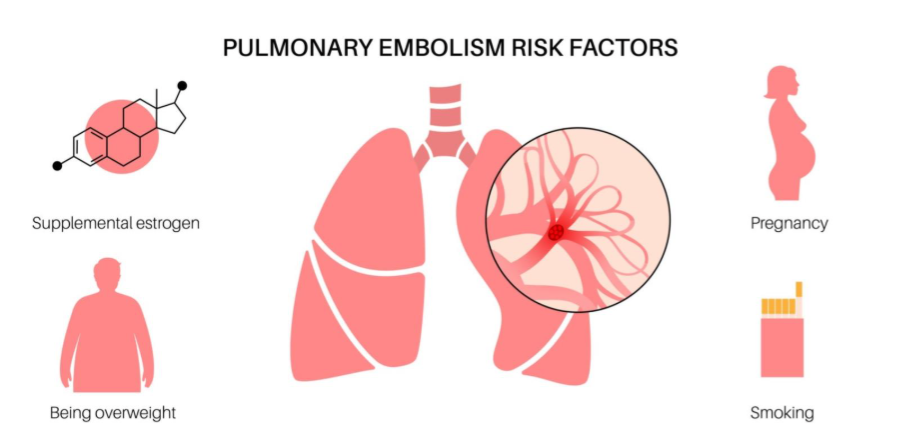
Hormonal changes can significantly affect the blood’s ability to clot, making certain women more susceptible to pulmonary embolism. Pregnancy naturally increases the levels of clotting factors in the blood to protect the mother from excessive bleeding during childbirth. This increased risk remains throughout the pregnancy and for several weeks after the baby is born.
Additionally, medications that contain oestrogen, such as the combined oral contraceptive pill or hormone replacement therapy (HRT), are known to elevate the risk of venous thromboembolism. While the overall risk for many individuals remains small, it is a critical consideration for those with other existing risk factors. It is essential for patients to discuss their full medical history with a clinician before starting hormonal treatments to ensure the safest options are selected.
Lifestyle and physical factors
Several lifestyle choices and physical traits can contribute to an individual’s overall risk profile for developing blood clots. Being significantly overweight or having obesity puts extra pressure on the veins in the pelvis and legs, which can hinder healthy blood flow. Smoking is another major contributor, as it damages the blood vessel walls and interferes with the natural balance of the blood’s clotting components.
Age is a non-modifiable factor, as the risk of pulmonary embolism generally increases as people get older, particularly for those over the age of 60. However, the condition can still occur in younger people if they have significant risk factors like surgery or genetic predispositions. Maintaining a healthy weight through a balanced diet and regular physical activity, alongside quitting smoking, are vital steps for anyone looking to reduce their long-term risk of serious vascular complications.
Conclusion
Individuals at the highest risk of pulmonary embolism include those recovering from surgery, people who are immobile for long periods, and those with specific underlying health conditions or hormonal changes. Recognizing these risk factors is a vital step in preventing the formation of life-threatening blood clots. By managing lifestyle factors and following medical advice during high-risk periods, the likelihood of a blockage can be significantly reduced.
If you experience severe, sudden, or worsening symptoms, call 999 immediately.
Does having a family history of clots mean I will definitely get one?
A family history of blood clots suggests you may have a genetic predisposition, but it does not mean a pulmonary embolism is inevitable. It is important to inform your doctor of this history so they can take extra precautions during high-risk times like surgery or pregnancy.
Can I get a pulmonary embolism if I am young and fit?
Yes, while the risk is lower, young and fit individuals can still develop an embolism, especially if they have undergone surgery, use hormonal contraceptives, or have recently undertaken very long travel journeys without moving their legs.
Is the risk of clots higher in the summer?
There is no strong evidence that season alone causes clots, but dehydration in hot weather can make the blood more concentrated, which may slightly increase the risk. Staying well-hydrated is always recommended to maintain healthy blood viscosity.
How do doctors assess my personal risk?
In the UK, doctors use standardized clinical tools, such as the Wells score, to evaluate your symptoms and risk factors. This helps them decide if further diagnostic tests like a D-dimer blood test or a lung scan are necessary.
Are all types of HRT equally risky?
Not all hormone replacement therapies carry the same level of risk; for example, oestrogen delivered through the skin via patches or gels is generally associated with a lower risk of blood clots compared to oral tablets. You should discuss these options with your GP.
How long after surgery does the high-risk period last?
The risk is highest in the first few weeks following a major operation, but some level of increased risk can persist for several months depending on how quickly you return to your normal levels of physical activity.
Authority Snapshot
This article provides evidence-based information on pulmonary embolism risk factors to support public health education. It was authored by Dr. Stefan Petrov, a UK-trained physician, and reviewed by the MyPatientAdvice medical team to ensure all content is safe and accurate. All information is strictly aligned with the clinical safety standards provided by the NHS and NICE.
