
Are there alternatives to CPAP for sleep apnoea?
Continuous Positive Airway Pressure (CPAP) is widely considered the gold standard for treating obstructive sleep apnoea in the UK, but it is not the only option available for patients. For individuals who find the mask uncomfortable or have milder forms of the condition, several clinical alternatives can effectively manage breathing interruptions during sleep. Understanding these options, from dental appliances to lifestyle modifications, ensures that patients can find a management plan that fits their specific needs and improves their long-term health.
What We’ll Discuss in This Article
- The role of mandibular advancement devices as a leading CPAP alternative.
- How lifestyle changes, particularly weight management, impact sleep quality.
- The function of positional therapy for certain types of sleep apnoea.
- Surgical interventions for structural airway obstructions.
- Supportive treatments like nasal sprays and structural corrections.
- The importance of specialist consultation when choosing an alternative path.
Understanding the Primary Alternatives to CPAP Therapy
While CPAP is highly effective, several alternatives exist for people with mild to moderate obstructive sleep apnoea or those who cannot tolerate a mask. The choice of treatment often depends on the severity of the breathing pauses identified during a sleep study and the underlying cause of the obstruction. In the UK, sleep specialists work with patients to trial different methods that ensure the airway remains open without the need for constant air pressure.
Finding a successful alternative is vital for maintaining treatment compliance, as untreated sleep apnoea significantly increases the risk of cardiovascular issues. For many, a dental device or a focused weight loss programme can provide sufficient relief from symptoms like loud snoring and daytime fatigue. If these non-invasive methods do not achieve the desired results, clinicians may then explore more specialized interventions or combinations of treatments.
Mandibular Advancement Devices (MAD)
A mandibular advancement device is a dental appliance that fits over the teeth and holds the lower jaw forward to keep the airway open during sleep. Often resembling a gum shield, this device physically clears space at the back of the throat by preventing the tongue and soft tissues from collapsing backward. It is frequently recommended for patients with mild to moderate obstructive sleep apnoea who prefer a portable and quiet alternative to a machine.
In the UK, it is highly recommended that these devices are custom-fitted by a dentist with experience in sleep medicine rather than using “boil and bite” versions found online. A custom fit ensures the device is comfortable and does not cause long term issues with the jaw joint or tooth alignment. While not as powerful as CPAP for severe cases, many patients find these devices significantly more convenient for travel and easier to use consistently every night.
Lifestyle Modifications as a Core Treatment
Lifestyle changes are often the first line of management for individuals with mild sleep apnoea and serve as a vital supportive measure for more severe cases. Weight management is the most impactful factor, as excess tissue around the neck can physically compress the airway during sleep. Reducing body weight can decrease the pressure on the throat, sometimes resolving mild obstructive sleep apnoea entirely without the need for further medical devices.
Other lifestyle adjustments focus on reducing factors that cause the throat muscles to relax excessively. Avoiding alcohol, especially in the evening, is a standard recommendation as it acts as a muscle relaxant that worsens airway collapse. Similarly, stopping smoking is advised because cigarette smoke causes inflammation and fluid retention in the upper airway, which further narrows the space available for breathing. These changes, while requiring personal commitment, provide a natural way to improve sleep quality and overall respiratory health.
Comparing CPAP and Mandibular Advancement Devices
Choosing between the two most common treatments involves looking at both clinical effectiveness and personal preference. The following table compares these primary management options.
| Feature | CPAP Therapy | Mandibular Advancement Device (MAD) |
| Primary Mechanism | Uses air pressure to splint the airway. | Physically moves the jaw forward. |
| Best Suited For | All levels, especially moderate to severe. | Primarily mild to moderate cases. |
| Portability | Requires a machine and power source. | Small, portable dental appliance. |
| Noise Level | Quiet motor and air flow sounds. | Completely silent. |
| Common Sensation | Feeling of air pressure in the nose/mouth. | Sensation of jaw being held forward. |
| Adjustment Period | May take several weeks to tolerate the mask. | May cause temporary jaw stiffness. |
Positional Therapy and Nasal Treatments
Positional therapy is a targeted alternative for people whose sleep apnoea primarily occurs when they lie on their back. In this position, gravity causes the tongue and soft tissues to fall backward more easily, blocking the airway. Specialized pillows or wearable devices can encourage a person to sleep on their side, which significantly reduces the frequency of breathing interruptions in “positional” apnoea cases.
Supportive treatments like steroid nasal sprays can also play a role if the apnoea is worsened by nasal congestion or inflammation. While a nasal spray cannot cure sleep apnoea on its own, it can improve airflow through the nose, making other treatments like a mandibular device more effective. If structural issues like a deviated septum are present, a minor surgical procedure to clear the nasal passage may be suggested by an Ear, Nose, and Throat specialist to improve breathing efficiency.
Surgical Interventions and Structural Corrections
Surgery is rarely the first choice for treating sleep apnoea in adults but may be considered if non-invasive treatments are not effective or if there is a clear physical blockage. The goal of surgery is to physically widen the airway, which might involve removing enlarged tonsils or repositioning the jaw. In children, the removal of the tonsils and adenoids is often the primary and most successful treatment for sleep apnoea.
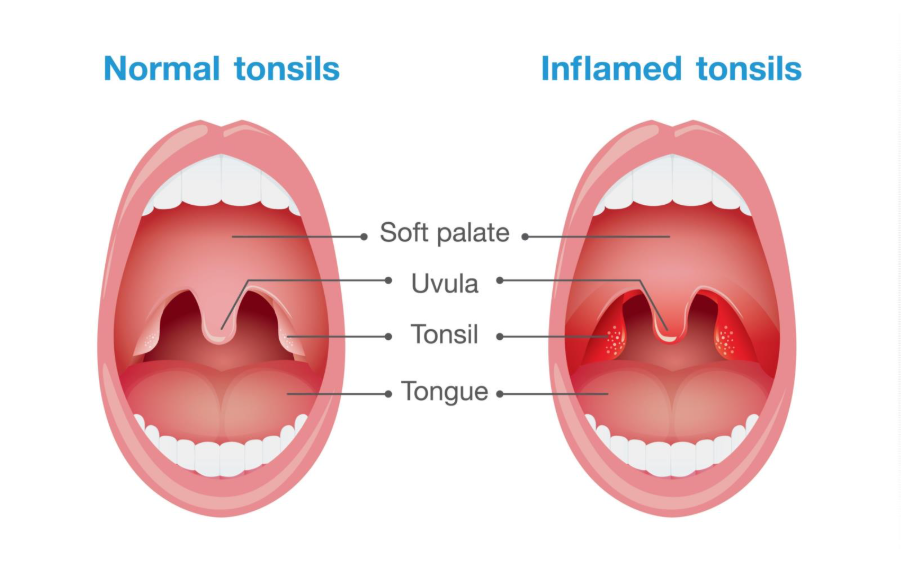
For adults, the most common surgical procedures involve tightening the soft palate or removing excess tissue from the back of the throat. Because surgery carries risks and does not always guarantee a permanent cure, it requires a thorough clinical assessment. Patients are typically only referred for surgical evaluation after they have trialled other methods like CPAP or dental devices without success.
Conclusion
Several alternatives to CPAP therapy exist in the UK, including mandibular advancement devices, lifestyle changes, and positional therapy. While CPAP remains the most effective option for severe cases, these alternatives provide manageable solutions for those with milder symptoms or mask intolerance. Working closely with an NHS sleep specialist is essential for identifying which alternative will most effectively keep your airway open and protect your health.
If you experience severe, sudden, or worsening symptoms, call 999 immediately.
Can I use a mandibular device if I have dentures?
It depends on the type of dentures you have; you should consult a specialist dentist to see if a custom device can be designed for your specific dental needs.
Will losing weight definitely cure my sleep apnoea?
For many people with mild apnoea linked to weight, significant weight loss can resolve the condition, but it may not be a complete cure if structural issues are also present.
Are “anti-snore” pillows an effective alternative to CPAP?
Positional pillows can help if your apnoea only happens while on your back, but they are not a substitute for medical treatment in moderate or severe cases.
How do I know if I am eligible for a dental device on the NHS?
Eligibility is usually determined after a formal sleep study and assessment by an NHS sleep specialist, who can then refer you to a hospital dentist.
Does surgery for sleep apnoea always work?
Surgery can be very effective for specific structural problems, but for many adults, it is considered a last resort when other treatments have failed.
Can children use mandibular advancement devices?
Children are rarely prescribed these devices as their jaws are still growing; surgery to remove tonsils is the standard treatment for paediatric sleep apnoea.
Is there a medication I can take instead of using a machine?
Currently, there is no medication that can physically keep the airway open, so treatment relies on devices, lifestyle changes, or surgery.
Authority Snapshot (E-E-A-T Block)
This article provides evidence-based information on the alternative treatments for sleep apnoea available within the UK health system. The content is authored and reviewed by Dr. Stefan Petrov, a UK-trained physician with experience in general medicine, surgery, and emergency care. All information presented aligns with the clinical guidelines and safety standards set by the NHS and NICE.
