
Could acid reflux contribute to chronic cough and wheezing?
Acid reflux occurs when stomach acid travels back up into the food pipe, and while it is commonly associated with heartburn, it can also significantly impact the respiratory system. For many individuals, this backflow of acid irritates the throat and airways, leading to a persistent cough or a whistling sound when breathing that may not respond to typical asthma treatments. Understanding the link between digestive health and lung symptoms is essential for identifying the true cause of a chronic cough and ensuring that the correct management strategy is implemented.
What We’ll Discuss in This Article
- The clinical link between gastro-oesophageal reflux and the lungs.
- How “silent reflux” causes respiratory issues without heartburn.
- The mechanisms by which stomach acid triggers the cough reflex.
- Identifying triggers that worsen both reflux and breathing.
- A comparison between reflux-induced symptoms and asthma.
- Safety protocols and when to seek emergency medical care.
The connection between acid reflux and the respiratory system
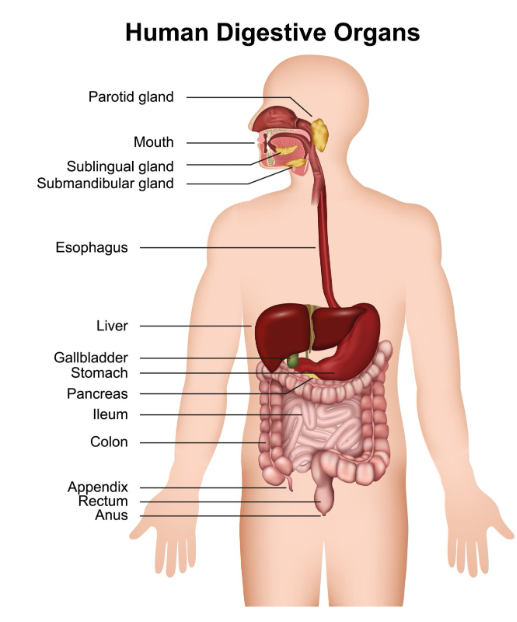
Acid reflux can contribute to a chronic cough and wheezing through two primary mechanisms: the irritation of the nerves in the food pipe and the accidental inhalation of tiny amounts of stomach acid. Gastro-oesophageal reflux disease (GORD) is a common condition where acid from the stomach leaks up into the oesophagus. When this acid reaches the upper part of the food pipe, it can trigger a protective reflex that causes the airways to tighten, resulting in wheezing and an irritating dry cough.
In some cases, the acid can travel far enough to enter the larynx or the bronchial tubes themselves. This direct irritation causes the lining of the airways to become inflamed and produce excess mucus. Because these symptoms often worsen when lying flat or after a heavy meal, they can easily be mistaken for nocturnal asthma or a lingering chest infection. Recognising this digestive link is vital for patients who have a persistent cough that does not seem to have a clear respiratory cause.
Understanding silent reflux and its symptoms
Silent reflux, known medically as laryngopharyngeal reflux, is a specific type of acid reflux that affects the throat and lungs without causing the typical “burning” sensation of heartburn. Because the patient does not feel the usual signs of reflux, the resulting chronic cough, hoarseness, and wheezing are often misattributed to other lung conditions. In these instances, the stomach acid primarily irritates the voice box and the entrance to the lungs, leading to a sensation of a “lump in the throat” or a constant need to clear the throat.
This form of reflux is particularly common at night when the horizontal position allows acid to move more easily toward the chest. If a person experiences a tickly cough that is worse upon waking or finds that their voice is frequently husky in the morning, silent reflux may be the underlying factor. Medical professionals in the UK often consider this diagnosis when a patient’s respiratory symptoms fail to improve with standard inhaler therapies, as the root cause is gastric rather than primarily pulmonary.
How reflux triggers a persistent cough
The mechanism by which acid reflux triggers a cough involves the body’s natural defence systems reacting to the presence of acid where it does not belong. When acid irritates the lower oesophagus, it can stimulate the vagus nerve, which also controls the cough reflex. This stimulation leads to a persistent, non-productive cough as the body attempts to protect the lungs from potential irritation.
Furthermore, chronic exposure to stomach acid can make the airways more sensitive to other environmental triggers, such as cold air or smoke. This heightened sensitivity can lead to a cycle of coughing and airway narrowing that mimics allergic asthma. Identifying the timing of the cough, such as after eating or when bending over, provides clinical clues that the digestive system is involved. Persistent inflammation from reflux can sometimes lead to longer-term changes in the sensitivity of the airway lining.
Distinguishing reflux symptoms from asthma
While the symptoms of acid reflux and asthma can be very similar, there are key differences in their presentation and triggers. It is also common for the two conditions to exist together, as the presence of reflux can significantly worsen pre-existing asthma symptoms.
| Feature | Acid Reflux (GORD) | Bronchial Asthma |
| Primary Trigger | Heavy meals, lying flat, caffeine | Exercise, pollen, cold air |
| Associated Signs | Bloating, hoarseness, sour taste | Eczema, hay fever, tight chest |
| Cough Timing | Often after eating or at night | Night, early morning, or activity |
| Wheeze Quality | Often upper-airway “rattle” | Musical, whistling sound |
| Response | May improve with antacids | Improves with reliever inhalers |
Lifestyle factors and symptom management
Managing the lifestyle factors that contribute to acid reflux can often lead to a significant reduction in associated respiratory symptoms. Factors such as being overweight, smoking, and consuming large meals close to bedtime are known to weaken the valve between the stomach and the food pipe. Reducing the intake of known triggers, such as chocolate, caffeine, and spicy foods, can help decrease the amount of acid produced and prevent it from reaching the airways.
Propping up the head of the bed or using extra pillows can also prevent acid from travelling toward the lungs during sleep. For many people, these simple changes are an effective first step in managing a reflux-related cough. If lifestyle modifications are not sufficient, healthcare professionals may recommend medications that reduce stomach acid production. It is important to monitor how these changes affect the frequency of wheezing and coughing to help confirm the relationship between the two systems.
Conclusion
Acid reflux is a significant but often overlooked contributor to chronic cough and wheezing, acting through both nerve stimulation and direct airway irritation. Whether it manifests as typical heartburn or “silent” reflux, the movement of stomach acid into the upper food pipe can mimic or worsen respiratory conditions like asthma. Identifying the digestive triggers of these symptoms is essential for ensuring that patients receive the most effective management for their long-term health.
If you experience severe, sudden, or worsening symptoms, call 999 immediately.
Can acid reflux cause a whistling wheeze?
Yes, acid can irritate the airways and cause them to narrow, which produces a whistling sound similar to that heard in asthma.
Why does my cough get worse after I eat?
Eating increases stomach acid production and pressure; if the valve is weak, this acid can leak upward and trigger the cough reflex.
Is silent reflux more dangerous than normal reflux?
It is not necessarily more dangerous, but it can be harder to identify because the patient does not experience the warning sign of heartburn.
Can reflux damage my lungs permanently?
Chronic inhalation of acid can lead to long-term inflammation of the airways, so it is important to manage the condition early.
How do I know if my wheeze is from my heart or my stomach?
A stomach-related wheeze is often linked to meals or position, while heart-related breathlessness often includes swollen ankles and severe fatigue.
Will drinking water help an acid reflux cough?
Water can help wash acid out of the food pipe temporarily, but it does not address the underlying issue of acid production or valve weakness.
Does stress make reflux-related coughing worse?
Stress can increase stomach acid production and make the body more sensitive to irritation, which can exacerbate a reflux-induced cough.
Authority Snapshot (E-E-A-T Block)
This article has been produced by the Medical Content Team and reviewed by Dr. Stefan Petrov to provide the public with clear and safe information regarding the link between reflux and lung symptoms. The content is strictly aligned with UK medical standards from the NHS and NICE to ensure accuracy in symptom description and safety advice. Our goal is to help readers understand how digestive issues can affect respiratory health while following established clinical guidance.
