




In the United Kingdom, back pain and sciatica are common in older adults, but the underlying causes and the way symptoms present often differ from those in younger people. While a disc prolapse is a frequent cause of pain in younger adults, symptoms in older age are more commonly linked to gradual changes in the spine, such as osteoarthritis or spinal stenosis. The NHS and NICE guidelines emphasise that while the spine changes as we age, pain is not an inevitable part of growing older and can be managed effectively with the right approach.
What We’ll Discuss in This Article
- How spinal stenosis changes the experience of sciatica
- The impact of osteoarthritis on morning stiffness
- Why leg pain might occur when walking but stop when sitting
- The importance of bone density and vertebral fractures
- NHS management strategies for maintaining independence
- Differentiating between mechanical pain and circulation issues
Spinal Stenosis: A Different Type of Sciatica
In older adults, the most common cause of sciatica is spinal stenosis, which is the narrowing of the spaces within the spine. This creates a different pattern of symptoms than a typical slipped disc.
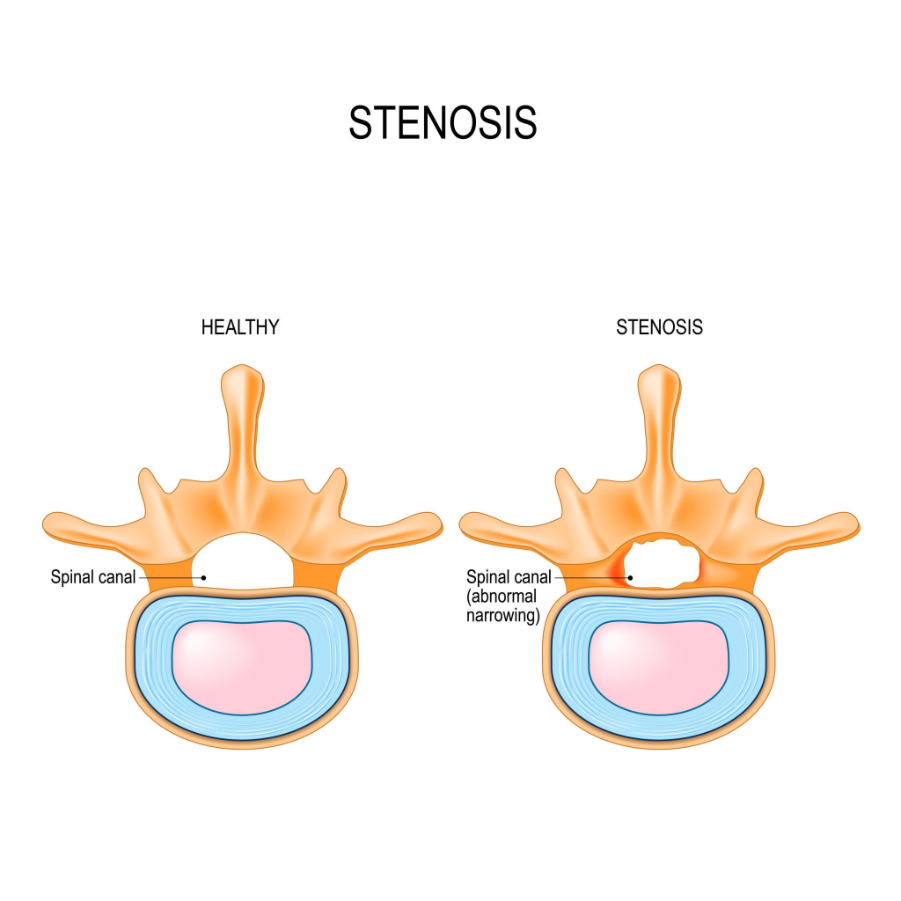
- Neurogenic Claudication: This is a hallmark symptom where pain, numbness, or heaviness in the legs occurs specifically when walking or standing.
- The Shopping Cart Sign: Many people with stenosis find that leaning forward (such as over a supermarket trolley) provides immediate relief. This is because leaning forward opens up the space in the spinal canal.
- Bilateral Symptoms: Unlike a disc prolapse, which usually affects one leg, stenosis often causes symptoms in both legs simultaneously.
Osteoarthritis and Stiffness
As we age, the small joints at the back of the spine (facet joints) can develop wear and tear, similar to a hip or knee.
- Morning Lock: Older adults often experience significant stiffness first thing in the morning that takes longer to wear off, sometimes up to an hour.
- Pain with Extension: Arching the back or standing for a long time often aggravates facet joint pain, whereas sitting down usually feels much more comfortable.
Bone Health and Vertebral Fractures
For older adults, particularly those with a history of osteoporosis, back pain can sometimes be caused by a compression fracture.
- Sudden Onset: Unlike the gradual ache of arthritis, a fracture often causes sudden, sharp pain after a minor movement, like reaching for a cupboard or sneezing.
- Height Loss: Multiple small fractures can lead to a loss of height or a rounded upper back (kyphosis), which in turn puts more pressure on the lower spine.
[Image showing a vertebral compression fracture in an osteoporotic spine]
Managing Symptoms in Later Life
The NHS focuses on maintaining mobility and independence for older patients.
- Strength and Balance: Physiotherapy often focuses on the legs and glutes to provide a more stable base for the spine and reduce the risk of falls.
- Pacing: Learning to balance activity with rest is vital. It is better to take three short walks a day than one long walk that causes a severe flareup.
- Medication Review: Older adults are more likely to be on other medications. A GP or pharmacist will carefully review pain relief to ensure it does not interact with other treatments or increase the risk of confusion or falls.
Conclusion
Older adults do experience back symptoms differently, often with a greater focus on walking difficulties and morning stiffness. However, the goal remains the same: staying as active as possible to protect joint health and muscle strength. Understanding the specific cause of the pain, whether it is stenosis or arthritis, allows for a more targeted treatment plan. If you experience sudden, severe weakness in your legs, or any loss of bladder or bowel control, call 999 immediately as this is a medical emergency.
Is back pain just a part of getting old?
No; while the spine does change with age, persistent or severe pain should always be investigated. Many treatments can improve quality of life and mobility.
Why does walking make my legs feel heavy?
This is often a sign of spinal stenosis. When you stand straight, the space for your nerves narrows. Leaning forward slightly or sitting down usually helps the feeling go away.
Can I still do core exercises if I have arthritis?
Yes; gentle core exercises like the bird dog or pelvic tilts are very beneficial as they help take the pressure off the stiff joints.
Is swimming good for older adults with back pain?
Swimming is excellent because the water supports your weight, allowing you to move your joints and strengthen your muscles without the impact of gravity.
Should I have an X-ray to see my arthritis?
In the UK, the NHS does not always recommend X-rays for back pain because many people have signs of wear and tear on scans but feel no pain at all.
What is the best type of chair for an older person with back pain?
A firm, high backed chair with good armrests is usually better than a soft, low sofa, as it makes it easier to maintain good posture and to stand up.
How can I prevent my back pain from getting worse as I age?
Staying active, eating a diet rich in calcium and Vitamin D for bone health, and maintaining a healthy weight are the most effective strategies.
Authority Snapshot (E-E-A-T Block)
This article examines the clinical presentation of spinal conditions in older adults within the UK healthcare framework. The content is written by the MyPatientAdvice Medical Writing/Research Team and reviewed by Dr. Rebecca Fernandez to ensure strict adherence to current NHS outcomes data and NICE clinical safety guidelines for the aging population.



