




While many people in the United Kingdom associate neuropathy with tingling in the toes or fingers, it does not always start in the feet or hands. The pattern of onset depends entirely on the underlying cause and the specific types of nerves being targeted. While the most common form, known as length dependent neuropathy, does begin in the extremities, other variations can affect the torso, face, or internal organs first.
As a physician with experience in emergency care and hospital wards, I have seen patients present with neurological symptoms in very unexpected areas. Understanding the pattern of your symptoms is one of the most important steps in helping a clinician identify the root cause of the nerve damage. This article explores the various ways neuropathy can begin and what those patterns mean for your diagnosis.
What We Will Discuss In This Article
- Length Dependent Neuropathy: The stocking and glove pattern
- Mononeuropathy: Damage to a single, specific nerve
- Proximal Neuropathy: When symptoms start in the thighs or hips
- Autonomic and Cranial Neuropathy: Impacting the torso and face
- Focal vs. Multifocal Patterns: Understanding localized damage
- Emergency guidance for acute neurological or functional changes
Length Dependent Neuropathy: The Feet First Pattern
The most common form of peripheral neuropathy, often seen in diabetes or vitamin deficiencies, is length dependent. In this pattern, the longest nerve fibres in the body are damaged first.
Because the nerves traveling to your feet are the longest, symptoms typically begin in the toes. As the condition progresses, it moves up the legs and eventually reaches the hands, creating what clinicians call a stocking and glove distribution. This occurs because the metabolic or toxic insult affects the nerve cell ability to maintain its furthest reaches first.
Mononeuropathy: Localized Onset
Neuropathy can also start in a very specific, localized area if only one nerve is involved. This is known as mononeuropathy.
Common examples include carpal tunnel syndrome, where symptoms start in the wrist and hand, or meralgia paresthetica, which causes numbness on the outer thigh. These are usually caused by physical compression or injury rather than a systemic metabolic issue. In these cases, you would not expect the feet to be involved unless there is a separate, unrelated issue.
Proximal Neuropathy: Starting in the Hips and Thighs
In some instances, neuropathy begins in the proximal nerves, which are those closest to the centre of the body. This is often seen in a condition called diabetic amyotrophy.
Instead of tingling in the toes, patients might first notice severe pain and weakness in the thighs, hips, or buttocks. This pattern is often asymmetrical, meaning it might only affect one side of the body initially. Because it does not follow the typical feet first rule, it is sometimes misdiagnosed as a hip or back problem.
Autonomic and Cranial Neuropathy
Neuropathy can also bypass the limbs entirely during its initial stages.
- Autonomic Neuropathy: This affects the nerves controlling internal organs. It might start with digestive issues, heart rate irregularities, or bladder problems.
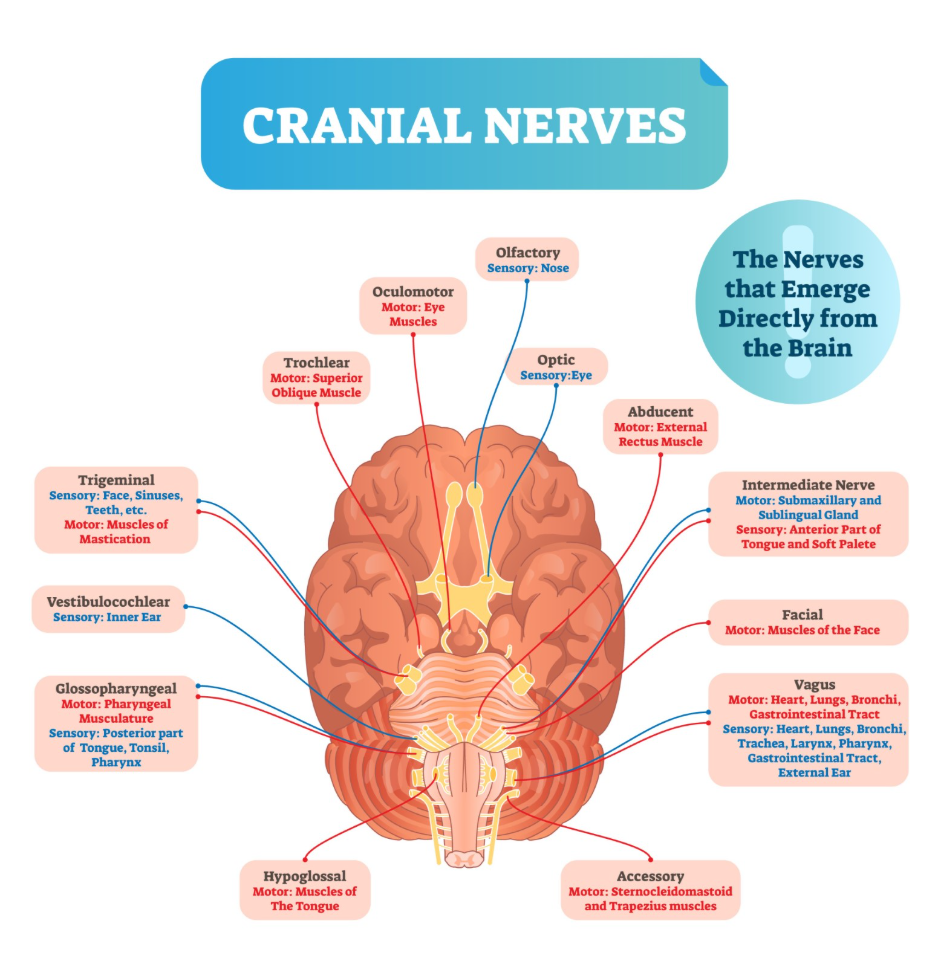
- Cranial Neuropathy: This involves the nerves in the head and face. It may manifest as double vision, drooping of an eyelid, or facial numbness. These conditions signify that the damage is targeting specific nerve groups rather than the longest fibres in the limbs.
Focal and Multifocal Patterns
Some patients experience a pattern called mononeuritis multiplex. This is a multifocal neuropathy where damage occurs in several unrelated nerves simultaneously.
For example, you might experience a dropped wrist on one arm and a numb foot on the opposite leg. This random, patchy onset is a significant clinical find and often points toward inflammatory or vasculitis conditions rather than metabolic ones like diabetes.
Emergency Guidance
While the location of onset varies, certain neurological symptoms require immediate intervention. Seek emergency care immediately if you experience:
- Sudden and total loss of mobility or the inability to stand
- New and total loss of bladder or bowel control
- Symmetrical weakness that spreads rapidly up the body over a few hours
- Sudden, severe facial drooping or an inability to swallow
- Signs of a silent heart attack such as sudden nausea and profound weakness
In these situations, call 999 or attend your nearest Accident and Emergency department immediately.
To Summarise
While the feet and hands are common starting points for length dependent neuropathy, many other patterns exist. Whether it starts in the thighs, the face, or a single wrist, the location of onset provides vital clues for your clinical team. In the UK, clinicians like Dr. Stefan Petrov use these patterns to narrow down the possible causes and develop a targeted treatment plan. If you notice unusual sensations in any part of your body, it is important to seek medical advice to determine if nerve involvement is the cause.
Why do most doctors check my feet first if I have neuropathy?
Length dependent neuropathy is the most common form, so checking the feet is a reliable screening tool for systemic issues like diabetes or B12 deficiency.
Can neuropathy start in the back?
While nerve pain can radiate from the back (radiculopathy), true peripheral neuropathy usually starts in the peripheral nerves themselves. However, a pinched nerve in the spine can mimic some neuropathy symptoms.
Does the starting location tell you the cause?
Often, yes. For example, symptoms starting in both feet usually point to a metabolic or toxic cause, while symptoms in one hand suggest a compression issue like carpal tunnel.
If it starts in my hands first, is that unusual?
Yes, it is less common than starting in the feet. If symptoms begin in the hands before the feet, clinicians often look for specific conditions like lead poisoning or certain types of hereditary neuropathy.
Authority Snapshot
This article was reviewed by Dr. Stefan Petrov, a UK trained physician with an MBBS and certifications in advanced cardiac and basic life support. Dr. Petrov has comprehensive experience in hospital wards, emergency care, and intensive care units. His background in surgery, anaesthesia, and ophthalmology allows him to understand the wide range of neurological presentations. He is dedicated to patient education and the creation of accurate health content for the public.



