




Pregnancy complications can cause developmental delay by disrupting the typical environment required for foetal brain and organ maturation, potentially leading to long-term challenges in physical or cognitive growth. In the United Kingdom, the NHS monitors these risks through a structured framework of antenatal screenings and routine newborn reviews to identify any lags as early as possible. While many complications are managed successfully, identifying significant prenatal factors ensures children receive integrated multidisciplinary support.
What We’ll Discuss in This Article
- The biological link between the prenatal environment and neurological growth.
- Identifying the impact of placental issues and restricted foetal growth.
- How maternal health conditions can influence childhood developmental milestones.
- The role of routine NHS prenatal screening in managing developmental risks.
- The diagnostic pathway for children with suspected prenatal-related delays.
- Accessing integrated multidisciplinary therapy and support services in the UK.
The Prenatal Environment and Brain Development
Pregnancy complications are a recognised factor in developmental delay because the foetal brain requires a stable supply of oxygen and nutrients to form the complex neural pathways essential for achieving typical milestones. If this environment is compromised, the maturation of the central nervous system may be altered, resulting in a child taking longer to reach physical or communication targets. The NHS states that developmental delay can be caused by various factors, including complications during pregnancy or a difficult birth.
In the United Kingdom, clinicians recognise that the third trimester is a particularly critical period for brain maturation, as this is when rapid growth and neural connections are established. Complications that interrupt this process can lead to variations in muscle tone, coordination, and cognitive processing. The UK healthcare system prioritises early identification of these prenatal risks to implement therapeutic support during the brain’s most adaptable stages. By understanding the biological impact of the pregnancy environment, the multidisciplinary team can provide a more targeted management plan. This professional oversight ensures that the support provided is evidence-based and focused on maximising the child’s functional potential.
Placental Issues and Restricted Foetal Growth
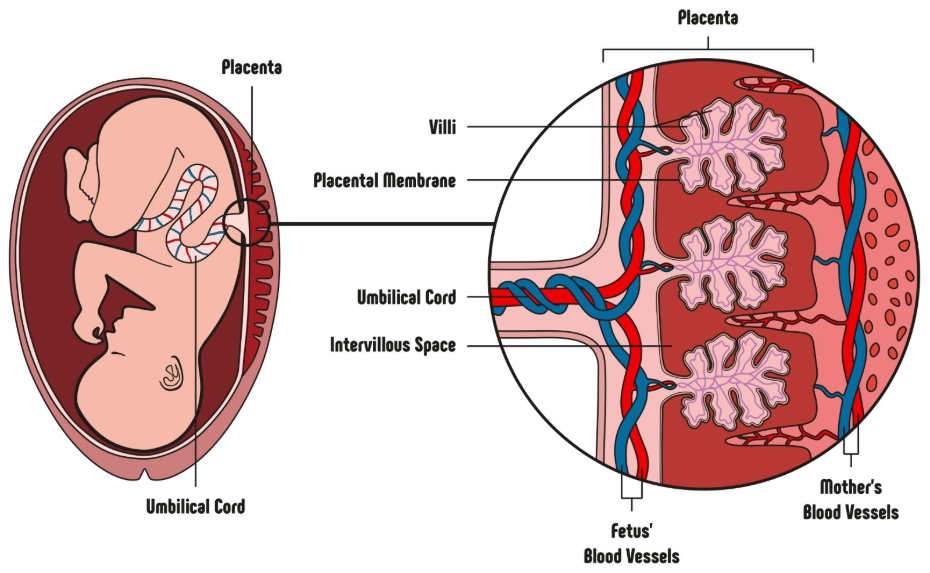
Placental complications, such as placental insufficiency, can lead to developmental delay by restricting the flow of essential resources to the foetus, often resulting in a baby being born small for gestational age. In the United Kingdom, mid-pregnancy scans and regular growth measurements are used to monitor the efficiency of the placenta and the child’s physical progress in the womb. NICE clinical guidelines for developmental monitoring indicate that infants who experienced restricted growth in the womb should be monitored closely for any signs of neurological impairment.
| Complication Type | Potential Developmental Impact | UK Clinical Monitoring |
| Placental Insufficiency | Lags in gross motor and physical strength. | Regular ultrasound growth scans. |
| Preeclampsia | Risk of premature birth and associated delays. | Maternal blood pressure and urine checks. |
| Foetal Growth Restriction | Cognitive and social communication challenges. | Assessment of blood flow via Doppler scans. |
| Multiple Pregnancy | Higher likelihood of lower birth weights. | Increased frequency of antenatal reviews. |
A restricted prenatal environment may result in a child having reduced stamina or lower muscle tone, affecting their ability to sit, crawl, or walk at the typical age. In the UK, integrated support involves providing positioning advice and targeted exercises to help the child’s body adapt. Specialists may also monitor cognitive milestones more closely to ensure any learning lags are identified early. This focus on physical and mental progress is essential for providing a foundation for healthy growth. By addressing these challenges through the NHS pathway, the child is supported in achieving the highest possible level of independence.
Maternal Health Conditions and Developmental Influence
Maternal health conditions during pregnancy, such as gestational diabetes or certain infections, can influence a child’s developmental trajectory by altering the chemical or biological balance required for typical foetal growth. In the United Kingdom, these conditions are managed by integrated obstetric and paediatric teams to minimise the impact on the child’s long-term development. The GOV.UK health pages provide clinical profiles indicating that the monitoring of maternal health factors is a priority for ensuring integrated childhood support.
Common maternal factors investigated in the UK include:
- Gestational Diabetes: If not managed, it can affect the baby’s growth and early metabolic health.
- Prenatal Infections: Conditions such as cytomegalovirus can lead to sensory and cognitive delays.
- Maternal Nutrition: Severe deficiencies may impact the biological building blocks of the brain.
- Chronic Conditions: Pre-existing maternal health issues that require specific medication or monitoring.
In the UK, babies born to mothers with these conditions are often reviewed more frequently by health visitors in the community. If a delay is suspected, the NHS provides pathways for specialist audiology, vision, and paediatric reviews. Early intervention focuses on providing a stimulating environment to support the child’s natural learning pathways. Because early development is fundamental to later success, the UK system prioritises integrated care that links the pregnancy history with the child’s current progress. This holistic approach ensures that the management plan is responsive to the child’s unique biological history.
The NHS Diagnostic Pathway for Prenatal-Related Delays
The diagnostic pathway for developmental delay in the United Kingdom involves a careful review of the pregnancy and birth history to identify if prenatal complications are a contributing factor to any observed lags. This integrated journey ensures that the child is assessed by various clinical experts to plan the most effective way to support their progress and health.
The UK integrated diagnostic pathway involves:
- Antenatal History Review: Clinicians assessing the details of the pregnancy and any known complications.
- Neonatal Assessment: Reviewing the child’s condition at birth and any required intensive care.
- Physical Examination: A specialist doctor checking muscle tone, reflexes, and neurological markers.
- Sensory Screening: Mandatory hearing and vision tests to rule out primary sensory impairments.
- Multidisciplinary Reviews: Specialists meeting at Child Development Centres to coordinate a care plan.
In the UK, this process is focused on identifying the most effective way to help the child achieve functional goals. If a prenatal complication has caused a persistent challenge, the child may be eligible for an Education, Health and Care plan to secure additional support in nursery or school. Throughout this period, the NHS ensures that families have a consistent point of contact, providing clarity and reassurance. This professional framework ensures that the management plan is evidence-based and aligned with current UK public health protocols. By utilising these integrated pathways, the healthcare system provides a life-long framework of support that adapts as the child matures.
Integrated Support and Multidisciplinary Management
Integrated support for children affected by pregnancy-related developmental delays in the United Kingdom relies on a multidisciplinary approach where therapists and doctors provide coordinated care. This system ensures that the child’s physical, communication, and cognitive needs are addressed simultaneously within a single management plan.
The UK integrated support framework includes:
- Community Paediatricians: Coordinating the overall health review and monitoring milestones.
- Physiotherapy: Supporting gross motor skills, balance, and physical strength.
- Occupational Therapy: Assisting with fine motor skills and daily living activities.
- Speech and Language Therapy: Promoting communication, understanding, and social interaction.
In the United Kingdom, these specialists often work together at a local Child Development Centre. This joined-up care ensures that the child’s therapy goals are consistent and supportive of their overall development. The NHS also coordinates with local authorities to secure any necessary home adaptations or specialist equipment. By utilising these integrated pathways, the healthcare system provides a life-long framework of support that evolves as the child matures. This coordinated effort is essential for helping children achieve their highest possible level of independence and participation in their community.
Conclusion
Pregnancy complications can lead to developmental delay by affecting the environment required for healthy foetal maturation, but the UK provides integrated systems to monitor and manage these risks. Through routine antenatal screenings and multidisciplinary paediatric care, the NHS identifies lags early and provides targeted interventions. Whether a complication affects physical strength, social interaction, or cognitive growth, integrated support is available to help every child reach their potential. Following a coordinated management plan with the help of medical and therapy experts ensures that the child’s unique needs are addressed holistically. The UK healthcare system provides a life-long framework of support for children and their families.
Does a complication in pregnancy always lead to a developmental delay?
No; many children in the UK born after complicated pregnancies develop typically, especially with appropriate antenatal and neonatal care.
How does the NHS monitor my baby if I had preeclampsia?
Your baby will have regular checks by health visitors, and if needed, a paediatrician will monitor their physical and social milestones.
Can a placental issue affect a child’s speech later on?
Indirectly, yes; if the placenta restricted resources for brain growth, it could lead to lags in areas like communication or learning.
What is a Child Development Centre?
It is a specialist NHS hub where various therapists and doctors work together to assess and support children with additional needs.
Why does the doctor ask so many questions about my pregnancy?
The pregnancy history helps UK clinicians understand the child’s biological background and identify potential reasons for any developmental lags.
Can early intervention help a child catch up?
Yes; the UK healthcare system prioritises early therapy because the young brain is very adaptable and responds well to stimulation.
Who should I talk to if I am worried about my child’s progress?
Your health visitor or GP is the first point of contact in the United Kingdom for a developmental review and referral.
Authority Snapshot (E-E-A-T)
This article provides medically factual health education regarding the impact of pregnancy complications on development, strictly aligned with NHS and NICE clinical guidelines. The content is developed by a professional medical writing team and reviewed by Dr. Stefan Petrov, a UK-trained physician with experience in general medicine, surgery, and emergency care. All information follows current UK public health protocols to ensure clinical accuracy and patient safety.



