




Neurodiversity describes the idea that people experience and interact with the world around them in many different ways, with no single right way of thinking, learning, or behaving. In the United Kingdom, the NHS and other public bodies recognise neurodiversity as a natural variation in the human brain rather than a checklist of deficits. This framework helps healthcare professionals and educators provide integrated support that focuses on an individual’s specific strengths and functional requirements.
What We’ll Discuss in This Article
- The core principles of the neurodiversity movement and its medical relevance.
- Identifying different neurodivergent profiles such as autism and ADHD.
- How neurodiversity impacts social communication and sensory processing.
- The role of the NHS in providing diagnostic assessments and support.
- Workplace and educational adaptations for neurodivergent individuals in the UK.
- Accessing integrated multidisciplinary care and community resources.
The Principles of Neurodiversity and Brain Variation
Neurodiversity is based on the biological reality that every human brain is unique, with variations in neurological wiring leading to different ways of processing information and perceiving the environment. In the United Kingdom, this concept is used to shift the focus from trying to cure a condition to providing the right environment for a person to achieve their potential. The NHS states that being neurodivergent means your brain works, learns and processes information differently from other people.
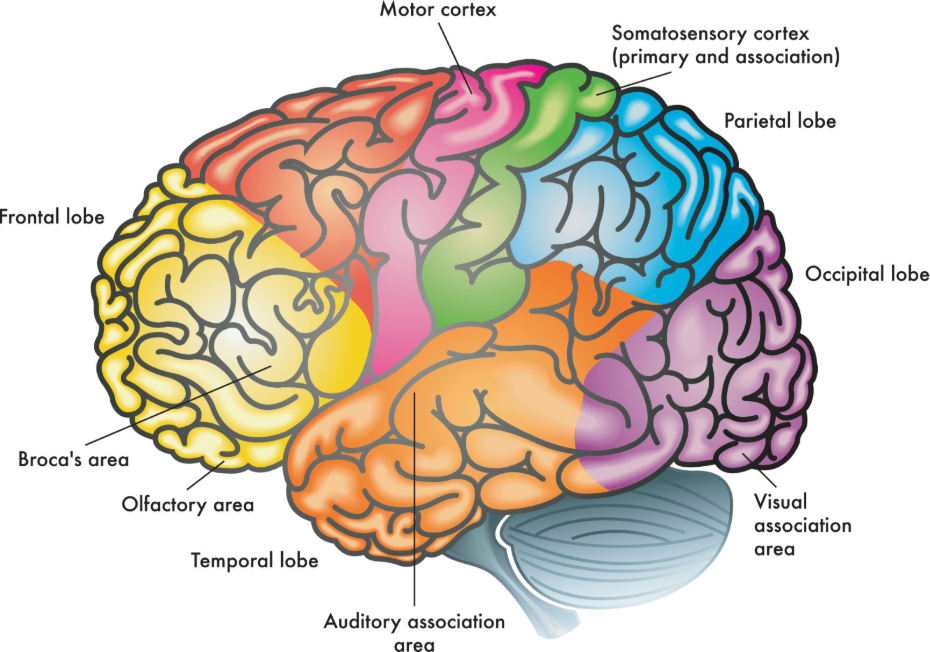
While many people are neurotypical, meaning their brain functions in a way that society generally expects, a significant portion of the UK population is neurodivergent. This includes individuals with conditions like dyslexia, dyspraxia, or Tourette’s syndrome. The neurodiversity framework acknowledges that these differences can bring unique strengths, such as high levels of creativity or an ability to focus deeply on complex tasks. However, it also recognises that a world designed for neurotypical people can create significant barriers for those whose brains function differently. By understanding these variations, the UK healthcare system can implement strategies that respect neurological differences while addressing any functional challenges. This professional oversight ensures that the support provided is evidence-based and aligned with the person’s natural growth trajectory.
Common Neurodivergent Profiles and Identification
Common neurodivergent profiles involve specific patterns of thinking and behaving that are identified through clinical observation and standardised assessments within the UK healthcare system. In the United Kingdom, identifying these profiles is a priority for ensuring that children and adults can access the integrated support they need in education and employment. NICE clinical guidelines for developmental monitoring indicate that persistent variations in social communication or behaviour should prompt a referral for a specialist assessment.
| Profile | Common Characteristics | Potential Strengths |
| Autism | Unique social communication; preference for routine. | Attention to detail; logical thinking; honesty. |
| ADHD | High energy; difficulty with sustained focus. | Hyperfocus on interests; creativity; spontaneity. |
| Dyslexia | Challenges with reading and processing text. | Strong visual-spatial skills; problem solving. |
| Dyspraxia | Lags in physical coordination and motor skills. | Determination; strategic thinking; empathy. |
In the UK, a clinical identification of a neurodivergent profile often involves a multidisciplinary team, including paediatricians, psychologists, and speech therapists. This coordinated effort ensures that the person’s unique profile is documented accurately to help secure reasonable adjustments. For example, an individual with ADHD may be identified as having a high need for movement, which can be supported through flexible working or classroom breaks. By addressing these needs through the NHS and local authority pathways, the individual is supported in achieving the highest possible level of independence.
Impact on Communication and Sensory Processing
Neurodiversity significantly affects how individuals communicate with others and how they process sensory information from their surroundings, such as sights, sounds, and textures. In the United Kingdom, healthcare professionals use integrated assessments to understand how these sensory and verbal differences impact a person’s daily life. The GOV.UK health pages provide clinical profiles indicating that the monitoring of social and sensory challenges is a priority for ensuring integrated support.
Many neurodivergent people experience sensory processing differences, where they may be over-sensitive or under-sensitive to environmental stimuli. For instance, a person might find the humming of a refrigerator or the brightness of office lights physically painful. In terms of communication, some individuals may find it difficult to read unwritten social rules or may prefer very direct and literal language. In the UK, integrated support involves providing “sensory-friendly” environments and communication aids to reduce frustration. Occupational therapists and speech therapists work together to provide strategies that help individuals manage these challenges. By acknowledging and adapting to these differences, society can become more inclusive and accessible.
Workplace and Educational Adaptations in the UK
Supporting neurodivergent individuals in schools and workplaces involves implementing specific adaptations and reasonable adjustments that allow them to demonstrate their skills and knowledge effectively. In the United Kingdom, the Equality Act 2010 provides a legal framework that ensures neurodivergent people have a right to these modifications in both education and employment settings.
UK adaptations for neurodiversity include:
- Environmental Changes: Providing quiet zones, noise-cancelling headphones, or adjustable lighting.
- Flexible Schedules: Allowing for varied start times or working from home to manage energy levels.
- Communication Adjustments: Giving clear, written instructions instead of verbal-only commands.
- Specialist Tech: Providing software that assists with reading, writing, or task organisation.
- Learning Support: Extra time during exams or 1-to-1 assistance for neurodivergent students.
In the UK, schools have a Special Educational Needs Coordinator who manages these supports for children. For adults, the government’s Access to Work scheme can provide funding for workplace assessments and equipment. These integrated pathways ensure that a person’s neurological profile does not prevent them from succeeding in their chosen career or education. By utilising these legal and professional frameworks, the UK system provides a stable foundation for long-term participation and economic independence.
Accessing Integrated NHS Support and Pathways
The pathway for identifying and supporting neurodiversity in the United Kingdom is a coordinated process that begins with community health reviews and leads to specialist clinical assessments. This integrated journey ensures that every individual has their neurological and functional needs reviewed by qualified professionals.
The UK integrated support pathway involves:
- Initial Review: Speaking to a GP or health visitor about observations in behaviour or learning.
- Specialist Referral: Moving into the pathway for an autism, ADHD, or learning assessment.
- Multidisciplinary Assessment: Detailed reviews by doctors, therapists, and psychologists.
- Integrated Care Planning: Setting functional goals for therapy, school, or work.
- Ongoing Support: Regular reviews to ensure adaptations and therapies remain effective.
In the UK, the focus is on a “person-centred” approach, acknowledging that every neurodivergent person has a different set of needs. The NHS ensures that families and individuals are guided through these steps, providing clarity on the available resources. This professional framework is designed to ensure that the management plan is evidence-based and responsive to the person’s unique profile. By utilising these integrated pathways, the healthcare system provides a life-long framework of support that evolves as the person matures.
Conclusion
Neurodiversity represents the natural variation in human brain function, and the UK provides an integrated system of clinical and social support to accommodate these differences. Through the NHS multidisciplinary model and legal protections like the Equality Act, individuals have access to the assessments and adjustments needed for a fulfilling life. Whether a person’s profile affects their communication, learning, or sensory processing, targeted support aims to maximise their functional potential. Following a coordinated management plan with the help of medical and educational experts ensures that unique needs are addressed holistically. The UK healthcare system provides a life-long framework of support for individuals and their families.
Is neurodiversity a medical diagnosis?
No; neurodiversity is an umbrella term for many different profiles, some of which require a formal clinical identification to access support.
Can a person be more than one type of neurodivergent?
Yes; in the UK, it is common for individuals to have “overlapping” profiles, such as having both autism and ADHD.
How do I find out if I am neurodivergent as an adult?
Your GP in the United Kingdom is the first point of contact for a clinical review and a referral to an adult assessment service.
What is “neurotypical”?
This term describes people whose brain functions in a way that is considered standard or typical by the majority of society.
Does the NHS provide support for dyslexia?
The NHS usually identifies the physical aspects, but the primary support for dyslexia in the UK is managed through the education system.
What are “reasonable adjustments”?
These are changes that UK employers or schools must make to ensure a person with a disability or neurodivergence is not disadvantaged.
Can neurodivergent people live independently?
Yes; with the right integrated support and environmental adaptations, many neurodivergent adults in the UK live fully independent lives.
Authority Snapshot (E-E-A-T)
This article provides medically factual health education regarding the concept of neurodiversity, strictly aligned with NHS and NICE clinical guidelines. The content is developed by a professional medical writing team and reviewed by Dr. Stefan Petrov, a UK-trained physician with experience in general medicine, surgery, and emergency care. All information follows current UK public health protocols to ensure clinical accuracy and patient safety.



