




Mental health in college and university students involves managing the biological and psychological transition to independent adulthood while navigating the specific academic and social pressures of higher education. In the United Kingdom, higher education institutions work alongside the NHS to provide integrated support networks. By utilising evidence-based clinical pathways, students can maintain their functional stability and achieve their academic goals within a secure framework.
What We’ll Discuss in This Article
- The biological impact of the transition to university life.
- Identifying the physical and cognitive markers of student stress.
- The relationship between sleep hygiene, nutrition, and academic performance.
- Legal rights and reasonable adjustments for students in the UK.
- Accessing integrated NHS and university based support networks.
- Practical strategies for maintaining mental wellbeing during studies.
The Biological Impact of the University Transition
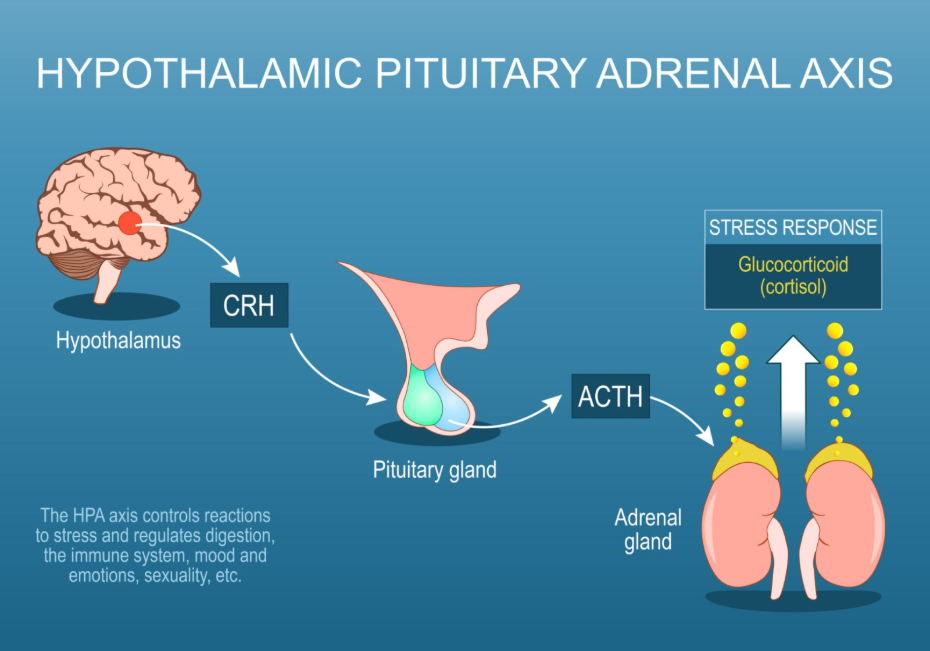
The transition to university life involves significant changes to an individual’s environment and routine, which can influence the autonomic nervous system and the regulation of stress hormones like cortisol. In the United Kingdom, healthcare professionals identify that this period often coincides with the final stages of brain maturation, particularly in the prefrontal cortex responsible for executive function. The NHS states that university life brings new challenges that can affect your mental health, but there are many ways to get support.
When a student faces a sudden shift in social support and increased cognitive demands, their body’s stress response may become more active. In the UK, this professional framework provides a stable foundation for the health journey by identifying that student wellbeing is a biological priority. By utilised these integrated pathways, the healthcare system ensures that every student’s profile is supported through evidence-based understanding. This coordinated effort prioritises the safety of the individual within a validated medical environment.
Identifying Markers of Student Academic Stress
Identifying the markers of academic stress involves looking for a combination of physical and cognitive indicators that suggest the brain is struggling to adapt to the workload or environmental changes of university life. In the United Kingdom, clinicians focus on these markers to help students access appropriate support before symptoms impact their functional ability or academic progress. NICE clinical guidelines for common mental health problems indicate that a thorough assessment should consider the impact of environmental stressors on an individual’s health.
| Marker Category | Subtle Indicator | Functional Impact |
| Cognitive | Difficulty in concentrating or retaining lecture data. | Reduced academic performance and focus. |
| Physical | Persistent tension headaches or muscle bracing. | Physical discomfort during study sessions. |
| Sleep | Irregular sleep-wake cycles or insomnia. | Increased daytime fatigue and irritability. |
| Metabolic | Significant changes in appetite or energy levels. | Fluctuations in the ability to perform tasks. |
| Social | Withdrawal from societies or peer groups. | Increased isolation and autonomic arousal. |
In the UK, these biological markers are managed through integrated care plans that prioritise a person-centred approach. Identifying that “brain fog” or restlessness are biological responses helps the multidisciplinary team select the most effective management strategy. This professional oversight is essential for providing a safe and accurate understanding of the student’s health needs. By building a robust evidence base through clinical review, the healthcare system provides a secure environment for building long-term health.
Sleep Hygiene and Nutrition in Higher Education
Consistent sleep hygiene and balanced nutrition are essential for student mental health because they provide the biological foundation for neurochemical balance and the cognitive clarity required for university level study. In the United Kingdom, specialists recognise that the “student lifestyle” often involves irregular routines that can disrupt the natural circadian rhythm and lead to systemic stress. The GOV.UK health pages provide clinical profiles indicating that the monitoring of social and cognitive challenges is a priority for ensuring integrated support.
When a student prioritises regular sleep and nutritional stability, they support the brain’s ability to process new information and regulate emotions. In the UK, the focus is on providing a stable foundation where the individual’s environment is reviewed alongside their metabolic health. Identifying these underlying drivers allows for more targeted help that addresses the actual biological cause of distress. By utilised these professional frameworks, the UK system provides a life-long framework of support that adapts to the person’s needs.
Legal Rights and Reasonable Adjustments for Students
Students with mental health conditions in the United Kingdom are protected by the Equality Act 2010, which requires universities and colleges to provide reasonable adjustments to ensure they are not disadvantaged by their health status. These legal protections ensure that mental health is treated with the same importance as physical health, allowing students to continue their education while managing their condition.
Common reasonable adjustments identified in the UK include:
- Exam Modifications: Extra time or a smaller, quiet room for assessments.
- Flexible Deadlines: Short extensions for coursework during acute periods of illness.
- Specialist Mentoring: Regular sessions to help with time management and focus.
- Recording Lectures: Access to transcripts or recordings to help with concentration.
- Rest Breaks: The ability to take breaks during long seminars or exams.
- Assisted Technology: Software that supports reading, writing, and organisation.
In the UK, identifying these needs early is vital for preventing the academic decline that often accompanies chronic health challenges. The integrated support framework encourages a strengths-based approach, focusing on what the individual needs to remain healthy. By utilised these professional frameworks, the healthcare system provides a secure environment for building professional and academic confidence. These strategies aim to work with the individual’s biology to restore a sense of calm.
Accessing Integrated NHS and University Support
The pathway for managing mental health in a university setting is a coordinated process involving the student’s GP, university wellbeing services, and local NHS mental health teams. This journey ensures that every student receives a thorough review of their history and current environment to build a bespoke recovery plan that supports their wellness and academic success.
The UK integrated support pathway involves:
- GP Registration: Ensuring the student is registered with a doctor near their term-time address.
- University Wellbeing Teams: Accessing non-clinical support and academic adjustments.
- NHS Talking Therapies: Utilising evidence-based support such as Cognitive Behavioural Therapy (CBT).
- Physical Screening: Performing blood tests to rule out biological causes for fatigue.
- Integrated Care Planning: Co-ordinating between the GP, university, and specialist teams.
- Regular Monitoring: Scheduled reviews to ensure that management strategies remain effective.
In the UK, the focus is on providing a stable foundation for the student to move forward with self-understanding. The NHS ensures that young adults have a consistent point of contact for their health needs while they navigate their studies. By utilised these integrated pathways, the healthcare system provides a secure environment for building long-term mental wellbeing across the UK population. These strategies aim to work with the individual’s biology to restore a sense of calm and purpose.
Conclusion
Mental health for university and college students is a clinical priority in the United Kingdom, supported by integrated health pathways and robust legal protections. The NHS and professional bodies provide a system of multidisciplinary assessments to help students achieve stability and academic resilience. By focusing on both the biological roots of symptoms and the need for supportive environments, the system promotes the highest possible level of independence. Following a coordinated management plan with the help of medical and psychological experts ensures that unique adult and student needs are addressed holistically.
Do I need to tell my university about my mental health?
While it is your choice, disclosing your condition to the wellbeing team allows you to access reasonable adjustments and academic support.
Can I see a GP at my university?
Most UK universities have a linked GP surgery, and it is recommended to register there so you can access help quickly when needed.
What if I struggle with my deadlines due to my health?
You can speak to your university wellbeing team about applying for “mitigating circumstances” or flexible deadlines based on your medical evidence.
Is there a cost for university mental health support?
No; wellbeing services provided by your university and mental health care provided by the NHS are free at the point of use.
How can sleep affect my grades?
Poor sleep impairs your brain’s ability to focus and store new information, which can lead to lower performance in exams and assignments.
Can a blood test help with my energy levels?
Yes; a GP may check for vitamin deficiencies or anaemia, which can cause physical symptoms that mimic mental health conditions.
Who should I talk to first if I am feeling overwhelmed?
The first point of contact in the United Kingdom is usually your GP or your university’s student wellbeing service.
Authority Snapshot (E-E-A-T)
This article provides medically factual health education regarding student mental health, strictly aligned with NHS and NICE clinical guidelines. The content is developed by a professional medical writing team and reviewed by Dr. Stefan Petrov, a UK-trained physician with experience in multiple clinical specialties including emergency care, general surgery, and medical education. All information follows current UK public health protocols to ensure clinical accuracy and patient safety.



