




A brain tumour can cause significant changes in personality and mood by physically disrupting the neural pathways that regulate emotion, social behaviour, and executive function. While shifts in temperament are often attributed to stress or mental health conditions, a growth within the skull can exert pressure on specific regions of the brain responsible for an individual’s unique character and emotional responses. In the United Kingdom, healthcare professionals recognise that these psychological and behavioural shifts can be some of the earliest indicators of a neurological issue, especially when the growth is located in the frontal or temporal lobes. Understanding the link between brain health and personality is essential for patients and their families to identify when professional medical advice is required. By following evidence-based protocols established by the NHS and NICE, clinical teams aim to manage these symptoms while addressing the physical growth to preserve the patient’s quality of life and functional independence.
What We’ll Discuss in This Article
- The biological mechanisms by which tumours alter emotional regulation.
- The specific role of the frontal lobe in personality and social conduct.
- How tumours in the temporal and limbic systems influence mood.
- Distinguishing between psychological distress and structural brain changes.
- Management strategies for behavioural symptoms in the UK.
- UK clinical pathways for the assessment of persistent personality shifts.
Biological Mechanisms of Personality Alteration
Personality and mood changes occur in patients with brain tumours because the mass interferes with the complex electrical and chemical networks that govern how a person perceives and reacts to the world. These changes are often the result of direct compression of healthy brain tissue or “oedema,” which is a build-up of fluid that increases pressure within the skull. The NHS states that a brain tumour can cause symptoms by increasing the pressure inside the skull or by damaging the part of the brain where the tumour is growing.
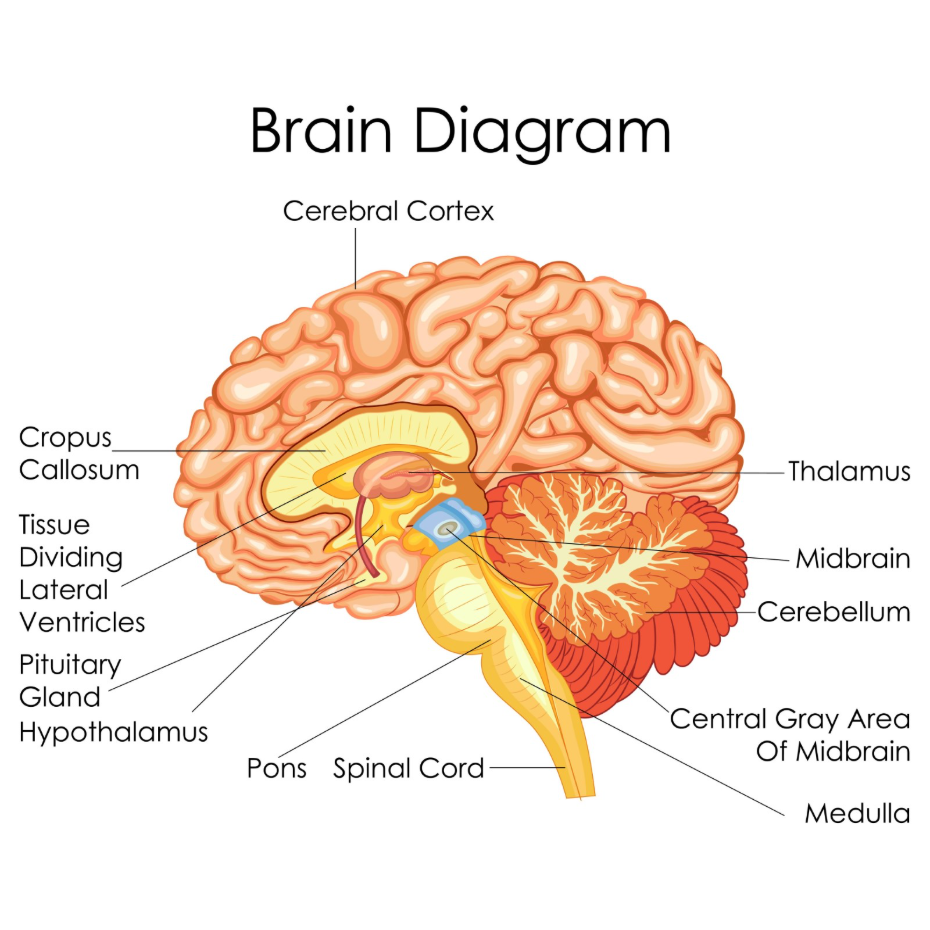
This structural interference can disrupt the production and transmission of neurotransmitters like serotonin and dopamine, which are vital for maintaining a stable mood. Furthermore, as a tumour grows, it can interrupt the connections between the emotional centres of the brain and the parts responsible for logical reasoning. In the United Kingdom, clinicians assess these changes to determine if they are “focal” symptoms, meaning they point to a specific area of the brain being affected. Understanding that these shifts are a physical consequence of the tumour can help families cope with the challenges of a changing personality. The goal of clinical management is to reduce this internal pressure and stabilise the neurological environment, which often leads to an improvement in emotional regulation.
The Frontal Lobe and Executive Function
The frontal lobe is the primary region of the brain responsible for personality, decision-making, and social behaviour, making it the most common site where a tumour can cause profound character shifts. This area acts as the “filter” for our impulses and allows us to plan, organise, and interact appropriately with others in social settings.
If a tumour develops in the frontal lobe, an individual may experience “disinhibition,” where they say or do things that are out of character or socially inappropriate. Conversely, some may develop extreme apathy, losing interest in hobbies, hygiene, or social interactions they once valued.
| Feature | Typical Pre-Tumour State | Potential Frontal Lobe Change |
| Social Filter | Polite; aware of social norms. | Inappropriate remarks; loss of tact. |
| Motivation | Proactive; engaged in tasks. | Profound apathy; lack of initiative. |
| Impulse Control | Controlled; thinks before acting. | Reckless behaviour; sudden irritability. |
| Empathy | Sensitive to others’ feelings. | Apparent coldness or emotional blunting. |
NICE clinical guidelines for brain tumours indicate that persistent changes in personality or behaviour are key indicators used to prioritise patients for urgent neurological imaging. Because these changes can be subtle initially, they are often first noticed by those who know the patient best. UK specialists utilise this information to map the tumour’s impact on the patient’s executive functions and to guide the subsequent management plan.
The Temporal Lobe and Emotional Regulation
Tumours located in the temporal lobe or the limbic system can cause distinct mood changes, such as sudden anxiety, depression, or intense emotional outbursts, because these areas manage the processing of emotions and memory. The temporal lobes, situated on either side of the brain, are closely linked to the amygdala and hippocampus, which are the emotional engines of the central nervous system.
A tumour in these regions can trigger “mood swings” that seem unrelated to the patient’s actual circumstances. Some individuals may experience episodes of intense fear or “déjà vu” as part of a focal seizure caused by the tumour’s irritation of the temporal tissue. In the United Kingdom, these symptoms are often investigated to differentiate them from primary psychiatric conditions. Because the temporal lobe is also involved in language, a patient might become frustrated or irritable because they struggle to find the right words, further impacting their mood. UK medical teams work to identify these specific triggers, ensuring that the patient receives support for both the physical mass and the resulting emotional instability.
Psychological Distress versus Structural Changes
In the UK clinical setting, it is important to distinguish between the natural psychological distress of dealing with a serious illness and the personality changes directly caused by the physical presence of a tumour. Being diagnosed with a brain tumour is a significant life event that can naturally lead to feelings of anxiety, sadness, and fear.
However, personality changes caused by the mass itself are often more “organic” and persistent, occurring regardless of the patient’s conscious emotional state. For example, a person might become aggressive or strangely indifferent in a way that does not match their usual coping style. The GOV.UK health pages provide clinical profiles that describe how cognitive and behavioural changes can be the first presenting signs of a brain tumour, often appearing before physical symptoms like headaches. Clinicians use detailed history-taking and observations from family members to help make this distinction. While psychological support is vital for all patients, identifying an organic cause for personality shifts allows for targeted medical interventions, such as steroids to reduce brain swelling or surgery to debulk the mass, which can directly alleviate the behavioural symptoms.
Management of Behavioural Symptoms in the UK
Management of personality and mood changes in the United Kingdom involves a multidisciplinary approach that includes medical treatment, psychological support, and rehabilitative therapies. Once the tumour is addressed through surgery or other clinical methods, many patients see a gradual stabilisation of their mood as the pressure on the brain decreases.
However, some character changes may persist, requiring long-term support from occupational therapists and neuropsychologists. These professionals help patients and families develop strategies to manage impulsivity or apathy in daily life. In the UK, the NHS also provides access to specialist nurses who can guide families through the challenges of living with a loved one whose personality has changed. Medications may be used to manage specific symptoms like extreme irritability or depression, but these are carefully balanced with the overall management of the tumour. This comprehensive care system ensures that the patient’s identity and social well-being are prioritised alongside their physical recovery, fostering a holistic approach to neurological health.
UK Clinical Pathways for Behavioural Assessment
The United Kingdom uses integrated care pathways to ensure that patients reporting persistent or unexplained personality changes are assessed thoroughly for structural neurological causes. This typically begins with a GP review, where a neurological examination is performed to look for any subtle physical signs that might accompany the behavioural shifts.
The UK diagnostic pathway includes:
- Initial GP Review: Assessment of the history and duration of the personality changes.
- Urgent Referral: Fast-tracked access to brain imaging if a structural cause is suspected.
- Specialist Evaluation: Review by a neurologist or neurosurgeon to map the behavioural impact.
- MDT Discussion: A Multidisciplinary Team of experts determining the best management plan for both the tumour and the behavioural symptoms.
This structured system ensures that serious conditions are identified early, providing a clear route for those whose personality shifts are related to a brain growth. By following these national protocols, the NHS provides a safety net that catches complex neurological issues while offering reassurance and support to the patient and their family throughout the diagnostic and management journey.
Conclusion
A brain tumour can cause personality or mood changes by disrupting the specific lobes responsible for social conduct and emotional regulation, particularly the frontal and temporal lobes. These shifts may manifest as irritability, apathy, or uncharacteristic behaviour and are often a direct result of physical pressure on the brain. In the UK, the NHS provides a clear pathway for investigating these changes to identify if a structural growth is the underlying cause. While these symptoms can be challenging, they are often managed effectively through a combination of medical treatment and specialist support. If you experience severe, sudden, or worsening symptoms, call 999 immediately.
Is every mood swing a sign of a brain tumour?
No; mood changes are far more commonly caused by stress, life events, or primary mental health conditions than by a brain tumour.
Can a personality change be the only symptom of a tumour?
Yes, in some cases, particularly with slow-growing tumours in the frontal lobe, character shifts can appear long before physical symptoms like headaches.
Will my personality go back to normal after treatment?
Many patients experience a significant improvement in their mood once the pressure on the brain is relieved, though some may need support to manage permanent changes.
How can I tell if my relative’s irritability is medical or just stress?
In the UK, you should seek medical advice if the change is persistent, out of character, and accompanied by other issues like memory loss or headaches.
Do benign tumours cause fewer personality changes than malignant ones?
The impact on personality depends more on the tumour’s location and the pressure it creates than on whether the cells are cancerous.
Can medication cause personality changes in tumour patients?
Yes; some treatments, such as high-dose steroids used to reduce brain swelling, can cause temporary mood swings or irritability.
Are children’s personality changes different from adults’?
Children may show signs like becoming unusually withdrawn, losing interest in play, or having school-related behavioural issues.
Authority Snapshot (E-E-A-T)
This article provides medically factual health education regarding brain tumours and personality changes, strictly aligned with NHS and NICE clinical guidelines. The content is developed by a professional medical writing team and reviewed by Dr. Stefan Petrov, a UK-trained physician with experience in emergency care, surgery, and clinical education. All information follows current UK public health protocols to ensure clinical accuracy and patient safety.



