




Coeliac disease is an autoimmune condition where the body immune system reacts to gluten by attacking the lining of the small intestine. While many people primarily associate this condition with digestive upset, systemic symptoms such as profound tiredness and a lack of physical strength are among the most frequent reasons individuals seek medical advice. Because the condition directly impacts the body ability to process and utilise essential nutrients, it can lead to a persistent state of exhaustion that affects daily functioning and quality of life. Recognising these non-digestive signs is a vital step in identifying the condition and beginning a recovery plan to restore energy levels.
What We’ll Discuss in This Article
- The biological link between intestinal damage and fatigue
- How malabsorption leads to iron deficiency anaemia
- The impact of vitamin B12 and folate levels on energy
- Distinguishing autoimmune fatigue from general tiredness
- Expected timelines for energy recovery on a gluten free diet
- Identifying when weakness requires urgent clinical review
Coeliac disease is a common cause of persistent fatigue and physical weakness
Profound fatigue and a general sense of weakness are hallmark symptoms of coeliac disease because the immune system inflammatory response and the resulting intestinal damage prevent the body from absorbing energy producing nutrients. Coeliac disease can cause a wide range of symptoms including extreme tiredness which often persists even after a full night of sleep.
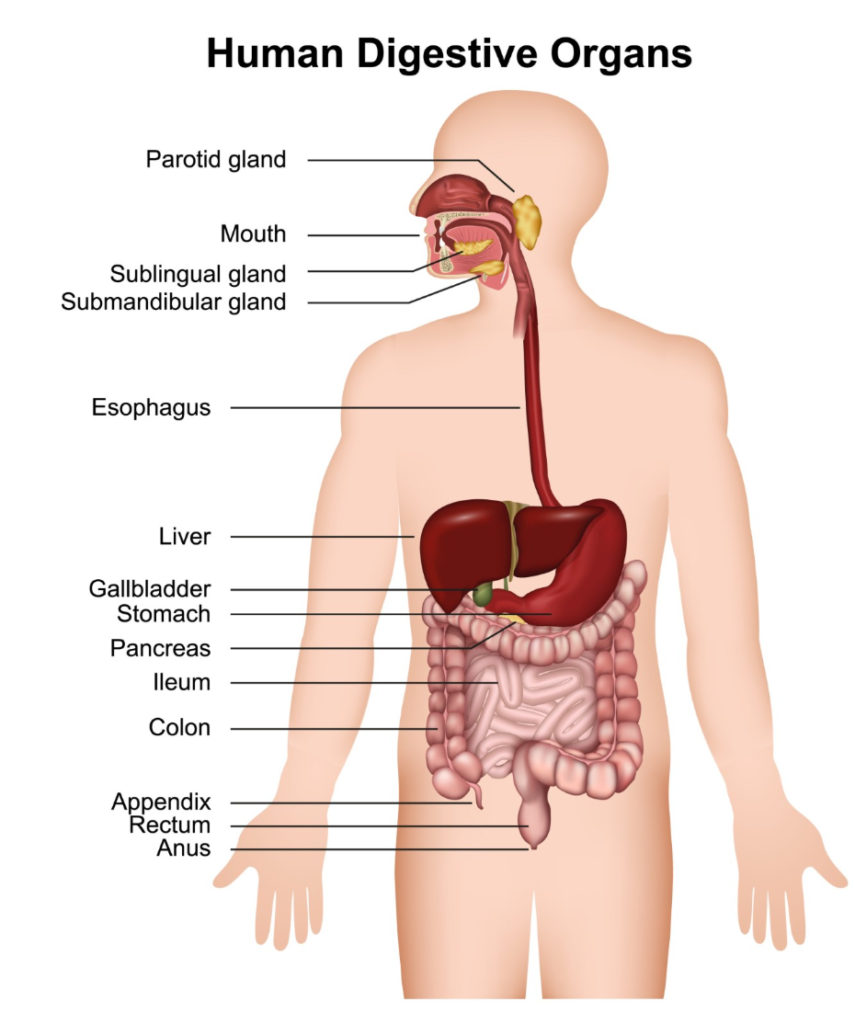
When the tiny projections in the small intestine called villi are flattened by the immune system, the surface area available to absorb the fuel required for muscular and neurological function is significantly reduced. This leads to a state of chronic undernourishment that manifests as a lack of physical and mental energy.
The role of malabsorption and iron deficiency anaemia
A primary driver of fatigue in coeliac disease is the development of iron deficiency anaemia, which occurs when the body cannot absorb enough iron to produce haemoglobin for red blood cells. Haemoglobin is essential for transporting oxygen to the body tissues and organs, and a lack of it leads directly to breathlessness and a heavy, weak feeling in the limbs. According to the National Institute for Health and Care Excellence, coeliac disease should be considered in people with unexplained iron deficiency anaemia because it is a frequent secondary complication of the underlying gut damage. Correcting the anaemia often requires a combination of a strict gluten free diet and medical supplementation guided by a healthcare professional.
Vitamin B12 and folate deficiencies in energy production
In addition to iron, coeliac disease often impairs the absorption of vitamin B12 and folate, both of which are critical for the healthy functioning of the nervous system and the production of energy. A deficiency in these nutrients can lead to a specific type of anaemia and neurological symptoms such as tingling in the hands and feet, which further contributes to a sensation of physical weakness. Because these vitamins are absorbed in the same area of the small intestine that is targeted by the autoimmune response, energy levels can remain low until the intestinal lining has had sufficient time to heal on a gluten free diet.
Energy recovery and the gluten free lifestyle
The most effective way to resolve fatigue and weakness caused by coeliac disease is the lifelong removal of gluten from the diet to allow the intestinal villi to regrow. Once the inflammatory trigger is removed, the body ability to absorb nutrients begins to improve, which gradually restores iron and vitamin stores. While some individuals notice a modest improvement in energy within a few weeks, it can take several months for the small intestine to heal completely and for energy levels to return to normal. Consistency is essential, as even small amounts of gluten can re-trigger the autoimmune response and cause the return of systemic exhaustion.
Conclusion
Coeliac disease frequently causes persistent fatigue and weakness due to the combined effects of chronic inflammation and nutrient malabsorption. These symptoms are often the result of underlying anaemia or vitamin deficiencies that develop when the small intestine cannot function correctly. Adopting a strict gluten free diet is the only way to heal the gut and restore the body ability to produce energy. If you experience severe, sudden, or worsening symptoms, call 999 immediately.
Why do I still feel tired after starting a gluten free diet?
It takes time for the intestinal lining to heal and for your nutrient stores, such as iron and B12, to reach healthy levels again.
Can coeliac disease cause muscle aches?
Yes, the systemic inflammation and lack of certain minerals like magnesium or calcium can lead to muscle pain and cramping.
Is coeliac fatigue different from normal tiredness?
Fatigue in coeliac disease is often described as an overwhelming exhaustion that does not improve with rest or sleep.
Does gluten cause brain fog?
Many individuals with coeliac disease report difficulty concentrating and a cloudy feeling in the head as part of their systemic fatigue.
Can I have fatigue without stomach pain in coeliac disease?
Yes, it is possible for fatigue to be the only noticeable symptom of coeliac disease, even without any digestive issues.
Should I take iron supplements if I am tired?
You should only take supplements after a blood test and clinical advice from your GP to confirm a deficiency and its cause.
Can children show weakness as a sign of coeliac disease?
In children, coeliac disease may show as a lack of energy, irritability, or an inability to keep up with peers during physical play.
Authority Snapshot (E-E-A-T Block)
This article was created by the Medical Content Team to provide the general public with clear information on the systemic symptoms of coeliac disease. The content has been reviewed by Dr. Stefan Petrov, a UK-trained physician, to ensure complete alignment with current NHS and NICE clinical guidance. Our purpose is to offer high quality, restrained medical education to support patient understanding of autoimmune health.



