




Coeliac disease is an autoimmune condition where the body’s immune system attacks its own healthy tissues when gluten is consumed. Achieving an accurate diagnosis is a multi-step clinical process designed to confirm the presence of specific antibodies and assess any structural damage to the small intestine. In the United Kingdom, healthcare professionals follow standardised diagnostic pathways to ensure that the condition is correctly identified and distinguished from other digestive disorders. It is essential for individuals to continue consuming gluten throughout the testing phase to ensure results are reliable and reflective of the body’s immune response.
What We’ll Discuss in This Article
- The importance of maintaining a gluten-containing diet during testing
- Initial serological blood tests for coeliac antibodies
- The role of the small bowel biopsy in confirming diagnosis
- Genetic testing as a tool for ruling out the condition
- Standard diagnostic pathways for children and adults
- Monitoring and follow-up care after a formal diagnosis
The diagnostic process begins with specific blood tests to identify coeliac antibodies
The first stage of diagnosis involves a blood test to look for antibodies usually produced by the body in response to gluten. A blood test is the first step used to help diagnose coeliac disease by identifying elevated levels of tissue transglutaminase (tTG) antibodies.
Clinicians typically measure IgA tTG as the primary screen, as this is a highly sensitive indicator of the autoimmune reaction. It is vital that patients do not start a gluten-free diet before this test, as removing gluten will cause antibody levels to drop, potentially leading to a false-negative result that may delay necessary treatment.
Confirmatory testing through a small bowel biopsy
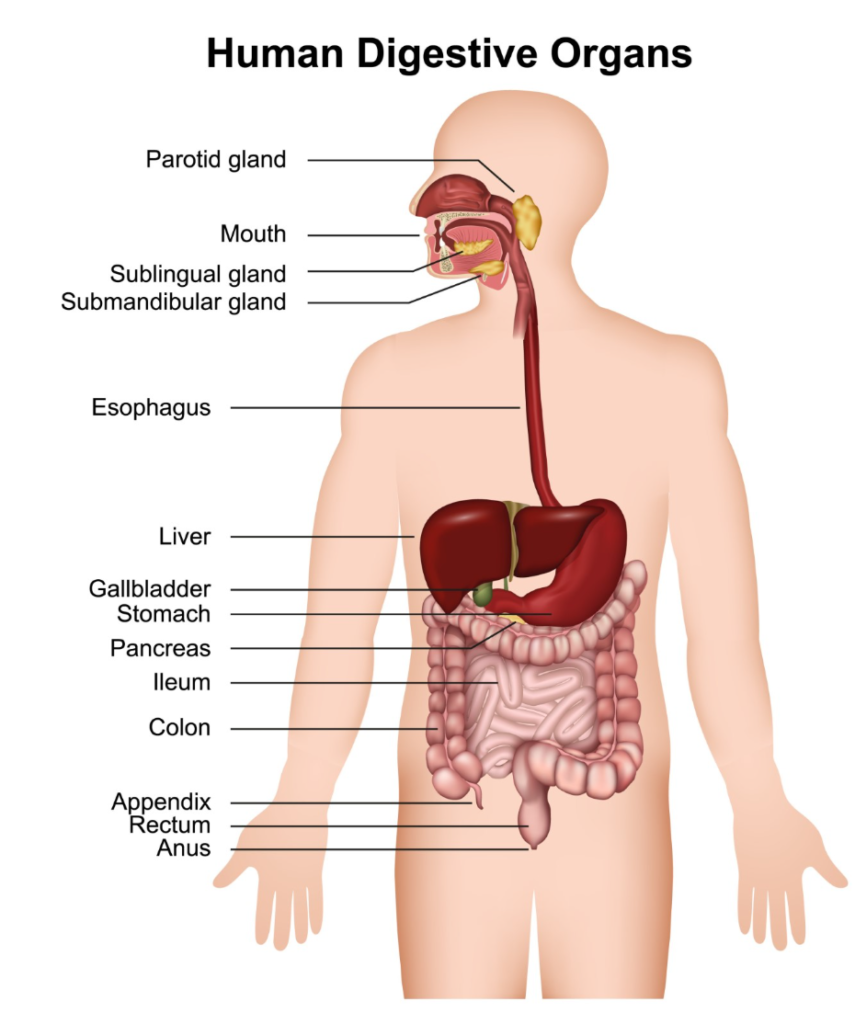
If the initial blood tests indicate a high probability of coeliac disease, a referral to a gastroenterologist for a biopsy is typically the next step for adults. A biopsy is often carried out in hospital to confirm the diagnosis of coeliac disease by taking small samples of the intestinal lining. During this procedure, an endoscope is passed through the mouth into the small intestine to allow the specialist to look for signs of villous atrophy or inflammation. The tissue samples are then examined under a microscope to provide definitive evidence of the structural damage characteristic of the condition, which confirms the need for lifelong dietary management.
Diagnostic pathways for children and young people
For children and adolescents, the diagnostic criteria may sometimes allow for a diagnosis without the need for an invasive biopsy if specific clinical markers are met. According to the National Institute for Health and Care Excellence, a no-biopsy pathway can be considered for children with very high antibody levels and a positive second blood test. This approach aims to reduce the physical stress on younger patients while still maintaining high diagnostic accuracy. Each case is assessed individually by a paediatric specialist to determine the safest and most effective method for confirming the condition based on the child’s symptoms and test results.
The role of genetic testing in ruling out coeliac disease
Genetic testing for HLA-DQ2 and HLA-DQ8 markers is sometimes used in complex cases where blood tests or biopsies provide inconclusive results. Because almost everyone with coeliac disease carries one of these genetic variants, a negative result can effectively rule out the condition for life. However, carrying these genes does not mean a person has coeliac disease, as a large portion of the general population carries them without ever developing the autoimmune response. Therefore, genetic testing is primarily used as a rule-out tool rather than a way to confirm an active diagnosis of the disease.
Conclusion
Diagnosing coeliac disease in the UK involves a structured approach starting with antibody blood tests, followed by a confirmatory biopsy or specialist paediatric assessment. Maintaining a gluten-containing diet until all tests are complete is the most critical requirement for an accurate clinical result. Once a diagnosis is confirmed, lifelong adherence to a gluten-free diet is necessary to allow the intestine to heal and prevent long term health complications. If you experience severe, sudden, or worsening symptoms, call 999 immediately.
Can I be tested for coeliac disease if I am already gluten-free?
Tests may not be accurate if you have already stopped eating gluten, as your antibody levels and intestinal lining may have started to heal.
How long must I eat gluten before having the blood test?
Standard guidance usually suggests eating gluten in more than one meal every day for at least six weeks prior to testing.
Is the biopsy procedure painful?
The procedure is usually performed under local anaesthetic spray or sedation to minimise discomfort, though it can feel slightly unusual.
Can coeliac disease be diagnosed with a stool sample?
No, stool samples are not a recognised or reliable method for diagnosing coeliac disease in UK clinical practice.
What happens if my blood test is positive but my biopsy is normal?
This may indicate potential coeliac disease, and a specialist will monitor your symptoms and possibly suggest a repeat biopsy at a later date.
How long does it take to get coeliac test results?
Blood test results are usually available within a week, but biopsy results can take longer as the tissue must be carefully analysed in a lab.
Do I need a diagnosis if I feel better without gluten?
A formal diagnosis is important for accessing medical monitoring, prescriptions in some regions, and screening for related complications like osteoporosis.
Authority Snapshot (E-E-A-T Block)
This article provides educational information on the UK diagnostic standards for coeliac disease for the general public. It has been authored by the Medical Content Team and reviewed by Dr. Stefan Petrov, a UK-trained physician, to ensure complete alignment with NHS and NICE clinical guidance. Our purpose is to promote an accurate understanding of medical testing through factual and restrained reporting.



