




Coeliac disease is an autoimmune condition where the body’s immune system incorrectly identifies gluten as a threat and attacks the healthy tissue of the small intestine. The diagnostic process in the United Kingdom relies heavily on identifying specific antibodies in the bloodstream that are produced during this immune reaction. These tests serve as the primary screening tool for clinicians to determine if further invasive investigations, such as a biopsy, are required. Understanding the specific markers being measured and the clinical requirements for an accurate result is a vital step for anyone undergoing assessment for gluten sensitivity.
What We’ll Discuss in This Article
- The role of the tTG-IgA antibody test
- Why total IgA levels are measured simultaneously
- The importance of the gluten challenge for test accuracy
- Secondary tests used when results are inconclusive
- Diagnostic blood test pathways for children
- Monitoring antibody levels after a formal diagnosis
The primary blood test used to screen for coeliac disease measures tTG-IgA antibodies
The initial clinical screen for coeliac disease focuses on detecting tissue transglutaminase (tTG) antibodies, which are almost exclusively found in individuals reacting to gluten. A blood test is the first step used to help diagnose coeliac disease by identifying these specific immune system markers.
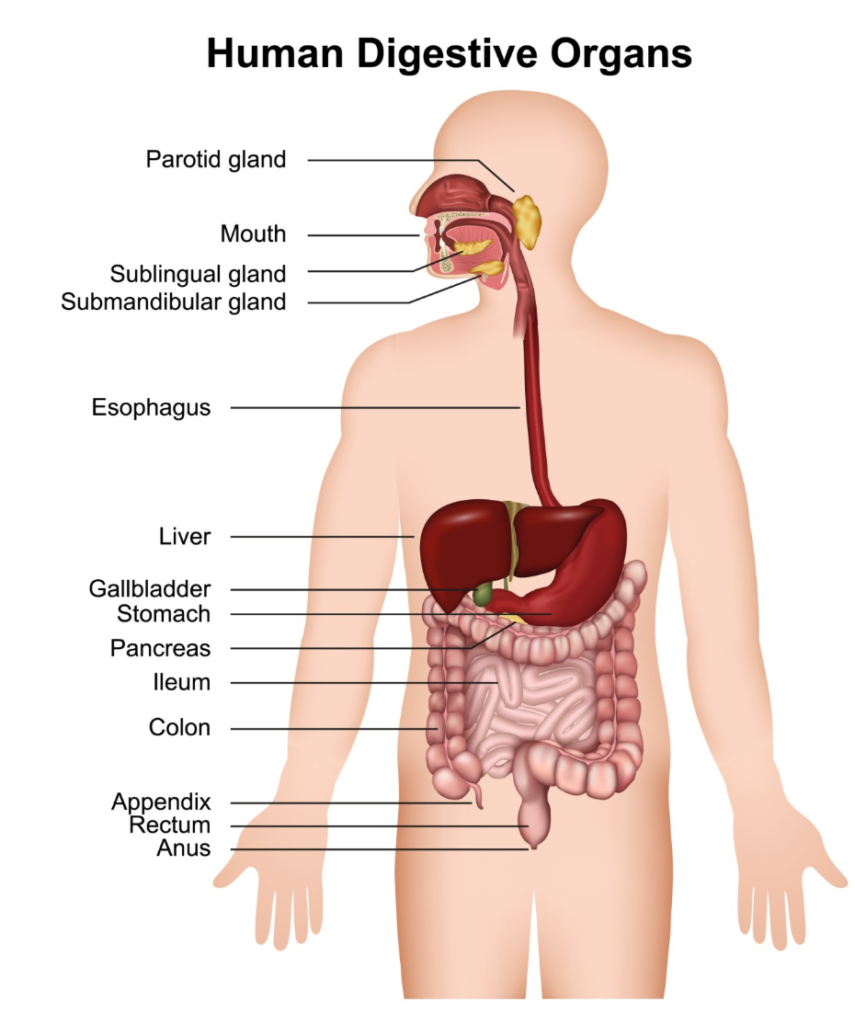
The tTG-IgA test is highly accurate, but it relies on the immune system being actively challenged by gluten. For this reason, NICE guidelines state that people should not start a gluten-free diet until the diagnosis is confirmed by a specialist, as removing gluten will cause the antibody levels to fall, potentially leading to a misleading negative result.
Measuring total IgA to ensure test reliability
Clinicians also measure the total level of immunoglobulin A (IgA) in the blood to ensure that the tTG-IgA test result is valid. IgA is a type of antibody that protects the body’s surfaces, and a small portion of the population has a natural deficiency in this specific antibody. If a person has an IgA deficiency, their tTG-IgA result may appear negative even if they have coeliac disease. In these cases, laboratories will perform alternative tests, such as measuring tTG-IgG or Endomysial antibodies (EMA), to provide a more reliable clinical picture of the body immune response to gluten.
The necessity of a gluten-containing diet during testing
For coeliac blood tests to be effective, the individual must be regularly consuming gluten-containing foods, such as bread, pasta, or cereals, in the weeks leading up to the blood draw. This period of consumption is often referred to as a gluten challenge. According to the National Institute for Health and Care Excellence, a gluten-containing diet should be maintained for at least six weeks prior to testing to ensure that the immune system is producing detectable levels of antibodies. If gluten has been avoided for a long period, the intestinal lining may have started to heal, and the antibody production may have ceased, making the disease impossible to detect via standard blood screening.
Diagnostic blood test protocols for children and adolescents
In some paediatric cases, a formal diagnosis of coeliac disease can be made based on blood test results alone, avoiding the need for a hospital biopsy. This pathway is generally reserved for children who show very high levels of tTG antibodies (usually ten times the normal limit) and have a positive result on a second, different type of antibody test, such as an EMA test. This clinical decision is made by a paediatric gastroenterologist to ensure the child receives an accurate diagnosis with the least amount of invasive intervention possible. Each child results are carefully reviewed alongside their physical growth and symptoms to confirm the condition.
Conclusion
Blood testing for coeliac disease primarily involves measuring tTG-IgA antibodies alongside total IgA levels to screen for the body autoimmune reaction to gluten. These tests are highly sensitive but require the patient to maintain a diet containing gluten for several weeks to ensure the results are clinically accurate. While blood tests are an excellent screening tool, they are often followed by further specialist investigation to confirm the extent of intestinal damage. If you experience severe, sudden, or worsening symptoms, call 999 immediately.
What if my coeliac blood test comes back negative?
A negative result usually means you do not have the condition, but if symptoms persist, your doctor may investigate other causes or suggest a repeat test later.
Can I get a coeliac blood test on the NHS?
Yes, coeliac antibody testing is a standard diagnostic tool available through your GP if you have symptoms or a strong family history.
Are home coeliac test kits accurate?
While some kits are available, it is always recommended to have testing performed through a clinical laboratory to ensure the results are professionally interpreted.
Do I need to fast before a coeliac blood test?
Fasting is not typically required for coeliac antibody tests, but you should follow any specific instructions provided by your GP or the lab.
What is the EMA test used for?
The Endomysial antibody (EMA) test is a highly specific secondary test often used to confirm a positive tTG result or when results are borderline.
Can a blood test tell me how much damage is in my gut?
Blood tests show the immune reaction, but they cannot precisely measure the physical damage; a biopsy is usually needed for that.
How often should blood tests be repeated after diagnosis?
Once diagnosed, follow-up blood tests are typically performed annually to ensure antibody levels are decreasing on a gluten-free diet.
Authority Snapshot (E-E-A-T Block)
This article provides educational information on the medical testing protocols for coeliac disease in the UK. The content has been authored by the Medical Content Team and reviewed by Dr. Stefan Petrov, a UK-trained physician, to ensure complete alignment with current NHS and NICE clinical guidance. Our purpose is to support patient understanding of diagnostic pathways through factual and restrained reporting.



