




Coeliac disease is a chronic autoimmune condition where the body’s immune system attacks healthy tissues when gluten is consumed. Unlike a temporary food intolerance or a transient illness, the underlying biological mechanism of coeliac disease does not disappear over time. Once a formal clinical diagnosis is reached, the requirement for dietary management is permanent. Adhering to a strict diet for life is the only way to prevent the recurrence of intestinal damage and to minimise the risk of systemic complications that can affect overall health and longevity. In the United Kingdom, healthcare professionals emphasise that lifelong adherence is the foundation of managing this condition effectively.
What We’ll Discuss in This Article
- The permanent nature of the autoimmune response to gluten
- Why the gut requires a lifelong absence of gluten to remain healthy
- Risks associated with reintroducing gluten after a period of healing
- The role of memory cells in the immune system
- Long term health benefits of strict dietary adherence
- Annual clinical monitoring to support a lifelong gluten free lifestyle
A gluten free diet is a permanent and lifelong requirement for everyone diagnosed with coeliac disease
There is currently no cure for coeliac disease, meaning that the only way to remain healthy is to avoid gluten entirely for the rest of your life. There is no cure for coeliac disease, but following a gluten free diet should help control symptoms and prevent the immune system from attacking the small intestine.
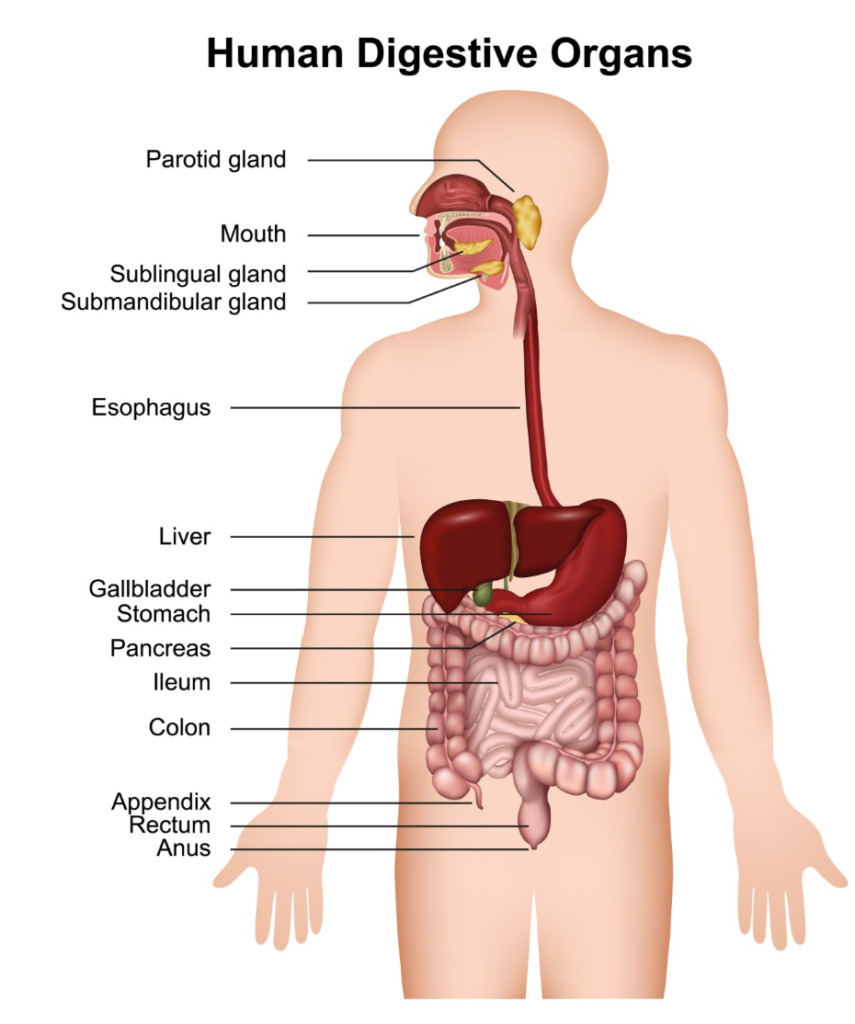
Because the condition is driven by a permanent genetic predisposition, the body will always produce an adverse reaction whenever wheat, barley, or rye is ingested. Even if an individual has been symptom-free for many years, the autoimmune process will be retriggered immediately upon the reintroduction of gluten.
The role of immune memory in coeliac disease
The reason the diet must be lifelong lies in the way the immune system remembers the perceived threat of gluten. Specific immune cells remain in the body long after the initial intestinal damage has healed, ready to mount an attack the moment gluten is detected again. This means that even if the intestinal lining looks completely normal after several years on a gluten free diet, the underlying sensitivity remains unchanged. Coeliac disease is an autoimmune condition where the immune system attacks healthy tissue, and this biological programming cannot be reversed or switched off through temporary dietary avoidance.
Risks of reintroducing gluten after intestinal healing
Some individuals may be tempted to reintroduce gluten once their symptoms have resolved and their gut has healed, but this can lead to serious long term health consequences. While symptoms like bloating or diarrhoea might not return immediately for everyone, the internal damage to the intestinal villi can occur silently. According to the National Institute for Health and Care Excellence, a lifelong gluten free diet is essential to prevent complications such as osteoporosis, iron deficiency anaemia, and, in rare cases, certain types of small bowel cancer. Consistent dietary adherence is the only confirmed method to keep these risks at a minimum and ensure the body continues to absorb essential nutrients correctly.
The importance of lifelong clinical monitoring
Because the management of coeliac disease is a lifelong commitment, the UK healthcare system provides ongoing support through annual health reviews. These checkups are designed to monitor antibody levels in the blood, ensuring that the immune system remains in a resting state. Clinicians also use these reviews to check for nutritional deficiencies and to provide updated dietary advice as new food products and clinical evidence emerge. This permanent relationship with a healthcare team helps individuals maintain the strict standards required for their health and ensures that any silent damage is identified before it leads to systemic illness.
Conclusion
A gluten free diet is a lifelong necessity for individuals with coeliac disease due to the permanent nature of the body’s autoimmune response. There is no point at which the condition resolves, and reintroducing gluten will always lead to a return of intestinal inflammation and damage. Staying committed to a strict diet is the only way to ensure long term health and prevent serious complications. If you experience severe, sudden, or worsening symptoms, call 999 immediately.
Can I ever grow out of coeliac disease?
No, unlike some childhood allergies, coeliac disease is a permanent autoimmune condition that does not go away with age.
What happens if I eat gluten once after being gluten free for years?
Accidental exposure will likely cause a temporary flare up of symptoms and a short period of intestinal inflammation, but you should return to your strict diet immediately.
Is it safe to have a cheat day on a coeliac diet?
No, even small amounts of gluten can cause significant internal damage, so there is no safe level of gluten consumption for people with coeliac disease.
Will my children also have to be gluten free for life?
Only if they are formally diagnosed with coeliac disease; they should not start a gluten free diet unless a specialist confirms the condition.
Does the gut ever fully recover?
In most cases, the intestinal lining can heal completely on a strict gluten free diet, but it remains vulnerable to damage if gluten is reintroduced.
Are there medications that allow me to eat gluten occasionally?
here are currently no approved medications that can prevent the immune reaction, making the gluten free diet the only available treatment.
Do I need annual blood tests for the rest of my life?
Yes, annual reviews are recommended in the UK to monitor your health and ensure your antibody levels remain low.
Authority Snapshot (E-E-A-T Block)
This article was created by the Medical Content Team to provide clear, UK-focused education on the lifelong management of coeliac disease. The content has been reviewed by Dr. Rebecca Fernandez, a UK-trained physician, to ensure it aligns with current NHS and NICE clinical guidelines. Our purpose is to help the general public understand the permanent nature of autoimmune health through factual and restrained reporting.



