




Coeliac disease is an autoimmune condition where the ingestion of gluten causes the immune system to attack the lining of the small intestine. Once a formal diagnosis is confirmed and gluten is entirely removed from the diet, the body begins a complex process of healing. While many individuals are eager to know how soon they will feel better, the recovery timeline can vary significantly depending on the severity of the initial damage and the specific symptoms experienced. Understanding what to expect in the days, weeks, and months following this dietary shift is essential for managing expectations and ensuring long term adherence to a strict gluten free lifestyle.
What We’ll Discuss in This Article
- Immediate changes in digestive comfort after removing gluten
- The timeline for energy recovery and resolution of fatigue
- How the small intestine heals over weeks and months
- Factors that can delay the improvement of symptoms
- Long term health milestones on a gluten free diet
- The importance of clinical follow up during the recovery phase
Many people notice an improvement in their digestive symptoms within a few days of starting a gluten free diet
Gastrointestinal symptoms such as bloating, abdominal pain, and diarrhoea often begin to settle quite rapidly once the trigger for inflammation is removed. Following a gluten free diet should help control symptoms by preventing further autoimmune attacks on the gut lining.
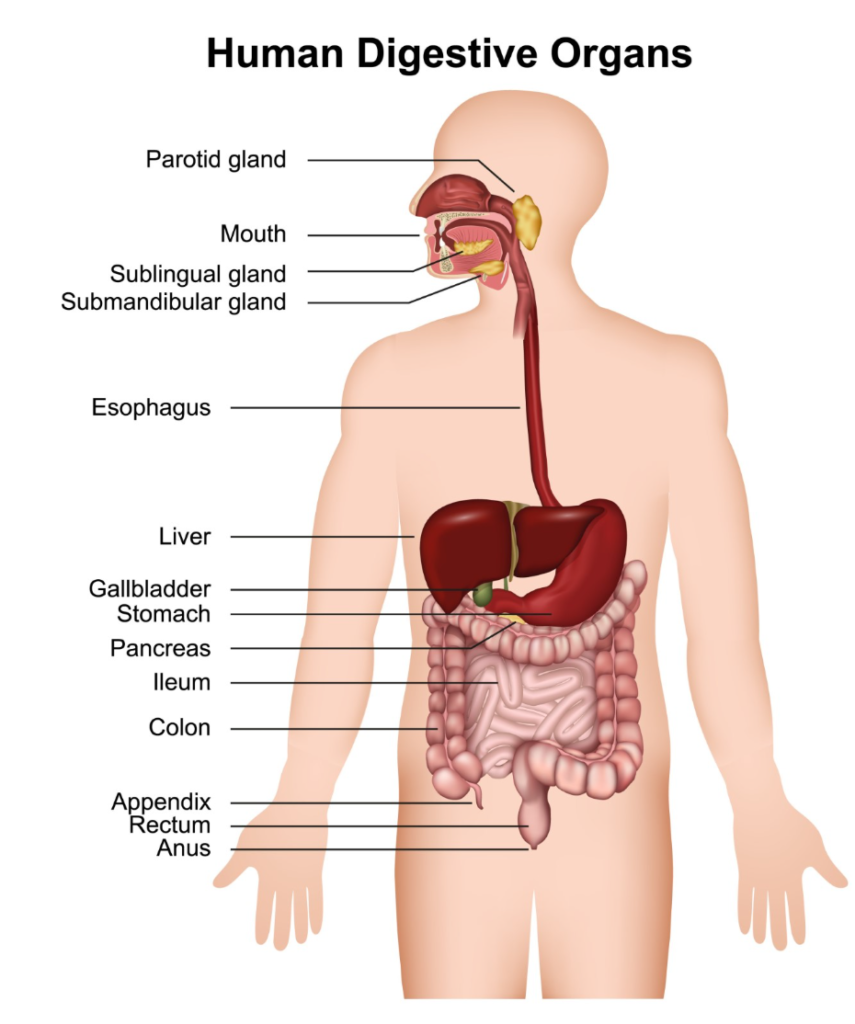
Most individuals report that the acute discomfort associated with eating gluten diminishes significantly in the first week. However, while the outward symptoms may improve quickly, it is important to remember that the internal damage to the intestinal villi takes much longer to repair.
Fatigue and systemic symptoms may take several weeks to resolve
While digestive upset often improves quickly, systemic symptoms like extreme tiredness and brain fog typically require more time to resolve as the body restores its nutrient levels. Coeliac disease can cause a wide range of symptoms including extreme tiredness which is often linked to underlying deficiencies like iron deficiency anaemia. As the intestinal lining begins to heal, the body becomes more efficient at absorbing the vitamins and minerals necessary for energy production. It is common for energy levels to fluctuate during the first few months as the body’s baseline health gradually stabilises.
Intestinal healing is a gradual process that can take many months
The physical repair of the small intestine is the slowest part of the recovery process and requires absolute consistency in avoiding gluten. Following a gluten free diet will eventually lead to the small intestine healing, but this process can take anywhere from six months to two years in adults. During this time, the tiny finger like projections called villi slowly regrow, allowing for optimal nutrient absorption. Factors such as age at diagnosis and the degree of initial damage can influence how quickly this structural recovery occurs, which is why clinical monitoring through annual reviews is so important.
Potential reasons for slow symptom improvement
If symptoms do not improve as expected, it may be due to accidental gluten ingestion or the presence of other related digestive conditions. According to the National Institute for Health and Care Excellence, people with coeliac disease should have an annual review to monitor their response to the diet and check antibody levels. Hidden sources of gluten or cross contamination in the kitchen can keep the immune system in an active state, preventing full healing. Additionally, some individuals may have co-existing issues like lactose intolerance or irritable bowel syndrome that require separate management alongside the coeliac diet.
Conclusion
Many individuals experience a rapid reduction in digestive discomfort within the first few days of starting a gluten free diet, but systemic recovery and intestinal healing are much slower processes. Most people see a significant shift in their well being within three to six months, provided they remain strictly gluten free. Patience and consistent clinical follow up are vital for ensuring that the gut heals completely and that long term health risks are minimised. If you experience severe, sudden, or worsening symptoms, call 999 immediately.
Will I feel better immediately after stopping gluten?
Some people feel an improvement in bloating and pain within 48 hours, but others may take longer to notice a change.
Why am I still tired after a month on the diet?
It takes time for the body to correct nutritional deficiencies like low iron or B12, even after the gut begins to heal.
Can I still have bad days after starting the diet?
Yes, it is normal for recovery to be non-linear, and symptoms may flare up due to stress, other illnesses, or accidental gluten exposure.
How long does it take for the skin rash to clear?
The coeliac skin rash, dermatitis herpetiformis, can take significantly longer to clear than digestive symptoms, sometimes requiring several months.
Is it normal to lose weight after starting a gluten free diet?
Some people lose weight as bloating subsides, while others gain weight as their body begins to absorb nutrients properly again.
Do children recover faster than adults?
Children often experience faster intestinal healing and symptom resolution compared to adults, sometimes within just a few months.
Should I take supplements to speed up recovery?
You should only take supplements if blood tests confirm a deficiency and your GP or dietitian has provided specific advice.
Authority Snapshot (E-E-A-T Block)
This article was created by the Medical Content Team to provide clear, UK-focused education on the recovery timeline for coeliac disease. The content has been reviewed by Dr. Rebecca Fernandez, a UK-trained physician, to ensure complete alignment with current NHS and NICE clinical guidance. Our goal is to help patients manage their recovery through factual, restrained, and evidence based information.



