




The recovery period after brain tumour surgery in the United Kingdom varies significantly for each individual, typically spanning several weeks for the initial healing of the wound and several months for a full return to daily activities. While the most intensive phase occurs during the first few days in a hospital setting, the complete process of neurological and physical rehabilitation is often a longer journey that requires consistent specialist support. In the UK, the NHS provides a structured pathway involving multidisciplinary teams to ensure that patients regain their independence safely and effectively. Factors such as the tumour location, the extent of the surgery, and the patient’s overall health before the operation play a vital role in determining the speed of the recovery. By following evidence-based guidelines from NICE, clinical teams coordinate a range of therapies to address the physical, cognitive, and emotional aspects of healing. This article explores the various stages of recovery and the integrated support services available within the UK healthcare framework.
What We’ll Discuss in This Article
- The immediate post-operative period and the typical hospital stay.
- Managing the first two weeks of wound healing and staple removal.
- The mid-term recovery phase and the gradual return to physical activity.
- Long-term neuro-rehabilitation and the role of allied health professionals.
- Legal and lifestyle considerations, including driving and returning to work.
- The emotional impact of recovery and the importance of specialist support.
The Immediate Post-Operative Period
The first stage of recovery begins in the hospital, where patients usually stay for between three and seven days following a craniotomy to ensure they are stable and that any immediate complications are addressed. During the first 24 to 48 hours, patients are monitored closely in a high-dependency unit or a specialist neurosurgical ward. The NHS states that after brain tumour surgery, you will usually stay in hospital for about 3 to 7 days, depending on how well you recover.
In this phase, the medical team performs regular neurological observations, checking pupillary responses, limb strength, and speech patterns. Patients may experience some temporary swelling around the face or eyes, and a dull headache is common. The focus of the clinical team is on managing pain, preventing infection, and starting gentle mobilisation with the help of nurses and physiotherapists. Most patients are encouraged to sit up and even take a few steps within the first day or two, as this reduces the risk of complications such as blood clots or chest infections.
Initial Wound Healing: The First Two Weeks
Once a patient is discharged from the hospital, the first two weeks at home are focused on allowing the surgical incision to heal and managing the physical fatigue that follows a major operation. The scalp wound is typically secured with stitches or small metal staples, which must remain clean and dry until they are removed.
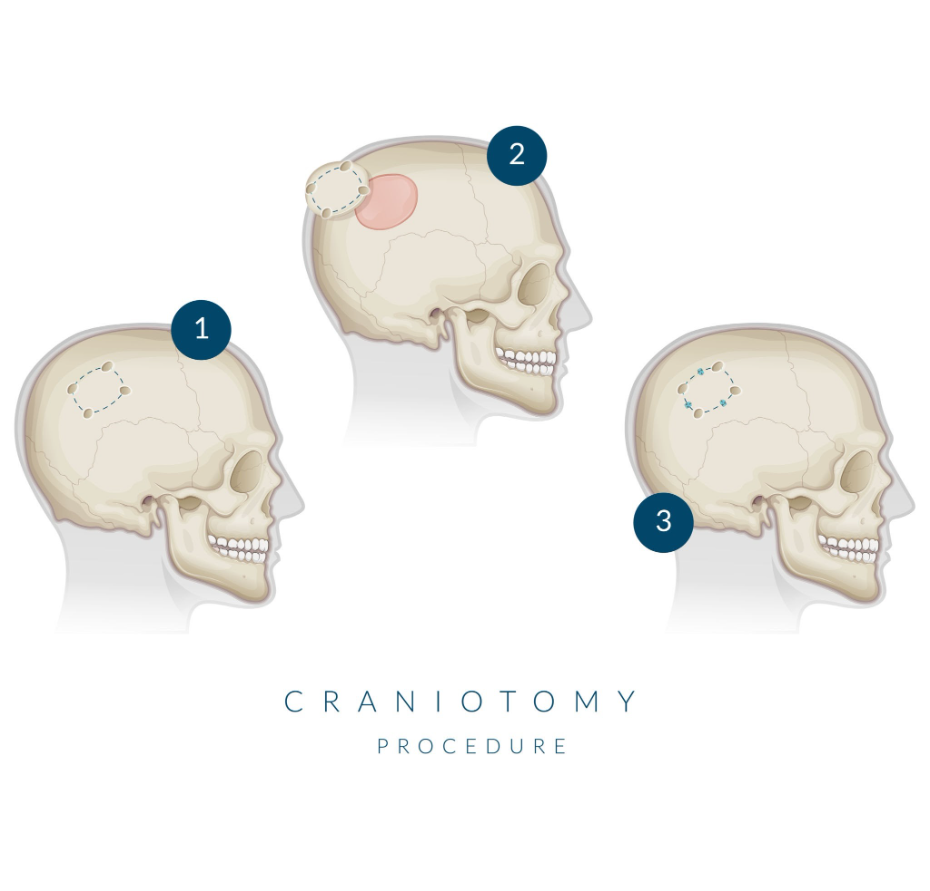
During this period, patients should expect to:
- Attend a follow-up: Visit the GP surgery or return to the hospital after 10 to 14 days for staple removal.
- Manage fatigue: Rest frequently, as the brain requires significant energy to heal after surgery.
- Monitor the wound: Look for any signs of redness, increased swelling, or discharge that might suggest an infection.
- Take medications: Continue any prescribed steroids or anti-seizure drugs as directed by the surgical team.
NICE clinical guidelines for brain tumours indicate that clear communication regarding wound care and symptom monitoring is essential for a safe transition from hospital to home. It is normal to feel more tired than usual and to have occasional “brain fog” during this fortnight. The priority is to avoid any strenuous activity or heavy lifting, allowing the body’s natural healing processes to take place without interruption.
Mid-Term Recovery: Two to Six Weeks
Between two and six weeks after surgery, many patients begin to feel a gradual increase in their energy levels and can start to perform light household tasks and take short walks. This phase is characterised by the resolution of the most acute surgical symptoms, although cognitive tasks such as reading for long periods or using a computer may still feel taxing.
| Recovery Milestone | Typical Timing | Clinical Focus |
| Staple Removal | 10 to 14 days | Wound integrity check. |
| Light Walking | 2 to 3 weeks | Physical mobilisation. |
| Social Activity | 4 to 6 weeks | Re-engaging with community. |
| Driving Review | Variable | Legal compliance with DVLA. |
In the UK, this is often the time when the multidisciplinary team discusses the final pathology results and decides if further treatments, such as radiotherapy or chemotherapy, are required. If additional therapy is planned, the recovery timeline will be adjusted to account for the impact of these treatments. Patients are advised to listen to their bodies and avoid “overdoing it,” as pushing too hard can lead to a temporary setback in energy levels. The goal is a steady, incremental return to a normal routine.
Long-Term Neuro-Rehabilitation
For many patients, full recovery involves an integrated neuro-rehabilitation programme that can last for several months to address any changes in physical strength, speech, or cognitive function. This phase is coordinated by allied health professionals who provide specialist therapies tailored to the specific needs identified during the hospital stay.
The rehabilitation team in the UK often includes:
- Physiotherapists: Helping with balance, walking, and muscle power.
- Occupational Therapists: Assisting with daily living skills and safety at home.
- Speech and Language Therapists: Supporting those with communication or swallowing issues.
- Clinical Psychologists: Addressing the emotional impact and cognitive changes.
The GOV.UK health pages provide clinical profiles indicating that neuro-rehabilitation is an essential component of the long-term management pathway for brain tumour patients in the UK. This support ensures that patients can achieve the highest possible level of functional independence. Rehabilitation may take place in a specialist centre or through community-based services, depending on the intensity of the support required. Consistent participation in these therapies is vital for a successful long-term outcome.
Driving, Work, and Lifestyle Adjustments
Returning to work and driving are significant milestones in the recovery process, but they are subject to specific legal and medical requirements in the United Kingdom. Patients who have had brain surgery are legally required to stop driving and must inform the DVLA of their condition and the procedure.
Key lifestyle considerations include:
- Driving: The length of the driving ban depends on the tumour type and the risk of seizures, often lasting at least one year.
- Work: Most people require at least three months off work, with a phased return being the most successful approach.
- Alcohol: It is generally advised to avoid alcohol for several months after surgery, as it can interfere with healing and interact with medications.
- Air Travel: Patients should discuss flying with their neurosurgeon, as air pressure changes can occasionally affect those who have recently had brain surgery.
UK clinicians provide guidance on these issues during follow-up appointments. Returning to work too early can lead to significant exhaustion, so it is important to discuss a gradual return with employers. The focus remains on ensuring that the patient can return to these activities safely, without risking their health or the safety of others.
Emotional Recovery and Specialist Support
The emotional recovery after a brain tumour operation is just as important as the physical healing and often takes longer to resolve. It is common for patients to experience a range of feelings, including anxiety, low mood, or a sense of vulnerability, as they process the impact of the diagnosis and the surgery.
In the UK, specialist nurses (key workers) and support groups play a vital role in providing emotional guidance. Having someone to talk to who understands the specific challenges of a neurological diagnosis can provide significant reassurance. Many NHS trusts also offer access to counselling or neuropsychology for those who find the emotional adjustment particularly difficult. Building a strong support network of family, friends, and healthcare professionals ensures that the patient does not have to face the recovery journey alone.
Conclusion
Recovery after brain tumour surgery is a multi-stage process that begins with a few days of intensive monitoring in a UK hospital and continues with several months of gradual rehabilitation. While the initial wound healing takes about two weeks, the full return to work and daily activities is a long-term goal supported by a multidisciplinary team. The NHS provides an integrated framework of physiotherapists, occupational therapists, and specialist nurses to ensure that patients regain their function and wellbeing. Following legal requirements for driving and allowing time for emotional adjustment are essential parts of the clinical journey. If you experience severe, sudden, or worsening symptoms, call 999 immediately.
When can I wash my hair after the operation?
You can usually wash your hair gently about 3 to 5 days after surgery, once the medical team confirms the wound is sealing properly.
Will my hair grow back over the scar?
In most cases, hair will grow back, although it may be slightly thinner along the exact line of the incision.
How soon can I go back to the gym?
You should avoid strenuous exercise for at least 6 to 12 weeks; always check with your neurosurgeon before starting any high-impact activities.
Is it normal to feel depressed after brain surgery?
Yes; mood changes are very common as you recover, and you should speak to your specialist nurse if you feel overwhelmed.
Can I go for a walk by myself?
Initially, it is safer to have someone with you until your balance and confidence have returned, usually after the first few weeks.
Why do I have to wait a year to drive?
The DVLA sets these rules to ensure public safety, as there is a risk of seizures following brain surgery.
What should I do if my wound looks red?
You should contact your surgical team or GP immediately, as this could be an early sign of a wound infection.
Authority Snapshot (E-E-A-T)
This article provides medically factual health education regarding recovery after brain tumour surgery, strictly aligned with NHS and NICE clinical guidelines. The content is developed by a professional medical writing team and reviewed by Dr. Rebecca Fernandez, a UK-trained physician with extensive experience in general surgery, cardiology, and emergency medicine. All information follows current UK public health protocols to ensure clinical accuracy and patient safety.



