




The duration of a brain tumour operation in the United Kingdom varies significantly depending on the tumour’s location, size, and type, with most procedures lasting between three and seven hours. While the time spent in the operating theatre includes the surgical removal of the mass, it also encompasses essential phases such as the administration of anaesthesia, precise patient positioning, and the meticulous closure of the surgical site. In the UK, neurosurgical teams prioritise precision and safety over speed, using advanced technology to navigate the complex structures of the brain. The NHS follows integrated care pathways to ensure that every stage of the surgical journey is coordinated by a multidisciplinary team of specialists. Understanding the factors that influence the length of the operation helps patients and their families prepare for the surgical day with realistic expectations. This article examines the various components of surgical timing, the technological influences on duration, and the integrated post-operative monitoring provided within the UK healthcare framework.
What We’ll Discuss in This Article
- Typical timeframes for different types of neurosurgical procedures.
- The sequential phases of the surgical day from anaesthesia to recovery.
- How the anatomical location of the tumour influences the operation length.
- The role of intraoperative technology and monitoring in surgical timing.
- Factors that may lead to an operation taking longer than initially planned.
- The immediate post-operative monitoring period in specialist UK wards.
Typical Surgical Timeframes in the UK
Neurosurgical procedures for brain tumours are categorised by their complexity and the surgical goals, which directly influence how long the patient remains in the operating theatre. A standard craniotomy for the removal of a primary brain tumour typically requires several hours to allow for the careful dissection of abnormal tissue from the healthy brain. The NHS states that a craniotomy is the most common operation for a brain tumour and usually takes between 3 and 7 hours.
Other procedures, such as a stereotactic needle biopsy, are less invasive and may be completed more quickly, often within one to two hours. Conversely, complex operations for tumours located at the base of the skull or those involving “awake” mapping techniques can extend beyond eight hours. In the United Kingdom, the surgical team provides an estimated duration during the pre-operative consultation, but they emphasize that the priority is always the safe and maximal removal of the mass. The multidisciplinary team considers the predicted length of the surgery when assessing a patient’s fitness for general anaesthesia, ensuring that the management plan is tailored to the individual’s physical resilience.
The Phases of the Surgical Day
The total time a patient spends in the anaesthetic room and the operating theatre is comprised of several distinct clinical phases, only one of which is the actual removal of the tumour. Before the first incision is made, the anaesthetic team must safely induce a state of general anaesthesia and insert various monitoring lines to track vital signs throughout the procedure.
The sequential phases include:
- Anaesthesia Induction: Administering medications and securing the airway, taking 30 to 60 minutes.
- Positioning and Registration: Placing the patient securely and synchronising their scans with neuronavigation systems, taking 45 to 90 minutes.
- Accessing the Brain: Performing the craniotomy and opening the protective membranes, taking approximately 60 minutes.
- Tumour Resection: The core surgical work of removing the mass, which varies significantly in length.
- Closure: Replacing the bone flap and suturing the scalp, taking 45 to 60 minutes.
- Emergence: Waking the patient from anaesthesia and transferring them to recovery, taking 30 to 60 minutes.
This structured approach ensures that every safety protocol is followed meticulously. Families waiting in the hospital should be aware that the “theatre time” reported by staff includes these essential preparation and recovery steps. In the UK, the surgical team maintains consistent communication with the theatre coordinators to provide updates on the patient’s progress through these various stages.
Anatomical Location and Surgical Complexity
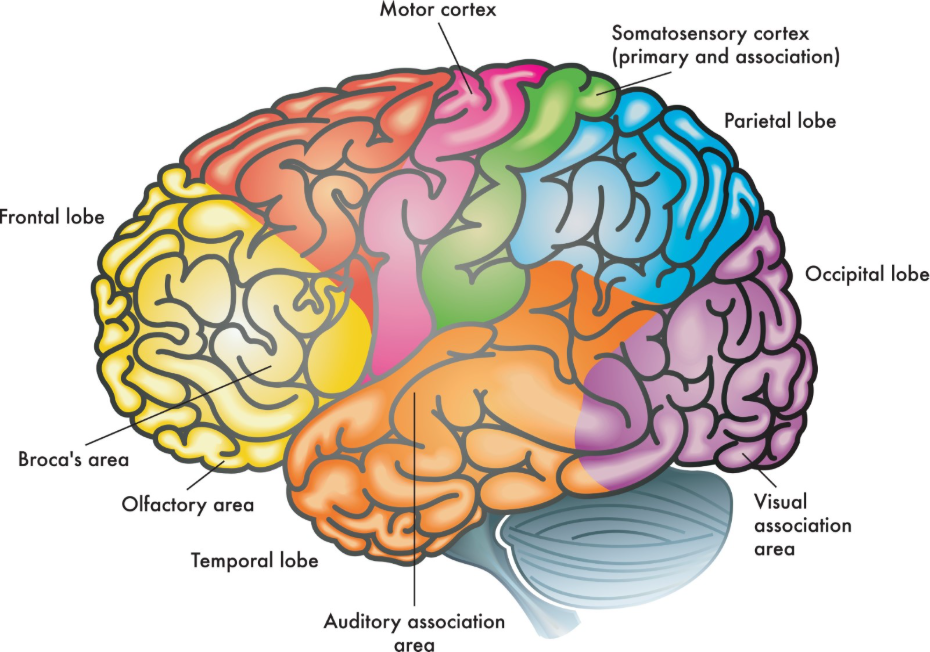
The anatomical location of a brain tumour is perhaps the most significant factor in determining the length of the operation, as tumours located near critical structures require a more cautious and time-consuming approach. Tumours situated on the surface of the brain (superficial) are generally more accessible and may be removed more quickly than those located deep within the brain or near the brainstem. NICE clinical guidelines for brain tumours indicate that the surgical approach must be modified based on the proximity of the tumour to eloquent areas of the brain.
| Tumour Location | Surgical Challenge | Impact on Duration |
| Superficial Lobe | Direct access through the skull. | Typically 3 to 4 hours. |
| Deep-seated / Midline | Requires navigation through healthy tissue. | Often 5 to 7 hours. |
| Skull Base | Close to cranial nerves and major vessels. | Can exceed 8 to 10 hours. |
| Eloquent Areas | Requires functional mapping or awake surgery. | Significantly extended duration. |
Operations on the skull base are particularly complex because the surgeon must work around major blood vessels and nerves that control functions such as eye movement, swallowing, and facial sensation. These procedures require extreme patience and the use of specialised microscopes to ensure that no vital structures are damaged. In the United Kingdom, neurosurgeons are highly trained in these sub-specialities, and they use the latest evidence-based techniques to navigate these high-risk zones. The added time spent during these operations is a direct investment in preserving the patient’s long-term neurological health and functional independence.
Technology and Intraoperative Monitoring
The use of advanced technology and real-time monitoring in UK operating theatres enhances surgical safety but can also add to the total duration of the procedure. Neuronavigation systems, which act like a GPS for the brain, must be precisely calibrated at the start of every case. Furthermore, intraoperative monitoring involves the continuous tracking of nerve signals to protect motor and sensory functions.
Technological factors influencing time include:
- Setting Up Sensors: Placing electrodes to monitor limb movement or speech.
- Intraoperative Imaging: Performing an MRI or ultrasound during the surgery to check for residual tumour.
- Mapping Eloquent Areas: Stimulating parts of the brain to identify vital pathways.
- Equipment Calibration: Ensuring microscopes and lasers are perfectly aligned.
While these steps increase the time the patient is under anaesthesia, they significantly improve diagnostic accuracy and the safety of the resection. The GOV.UK health pages provide clinical profiles indicating that the integration of intraoperative technology is a standard of care in the UK for maximizing safe resection. For patients undergoing “awake” surgery, additional time is required for the anaesthetist to carefully wake the patient and for the speech therapist to perform cognitive testing while the surgeon is working. These integrated efforts ensure that the NHS provides a world-class level of surgical precision.
Reasons for Extended Surgical Duration
There are several clinical reasons why a brain tumour operation may take longer than the initial estimate provided by the surgical team. Neurosurgery is a dynamic process, and the team may encounter unexpected findings once the brain is visible, necessitating a change in the surgical plan to ensure the best outcome.
Potential reasons for an extended operation include:
- Tumour Consistency: A very firm or “sticky” tumour that is difficult to separate from healthy tissue.
- Vascularity: Significant bleeding from the tumour or nearby vessels that requires time to control safely.
- Adhesion to Nerves: The tumour being more closely attached to vital nerves than indicated on pre-operative scans.
- Technological Issues: Need for recalibration of navigation systems during the procedure.
- Achieving Safe Resection: The surgeon deciding to spend more time to remove a specific fragment that will improve the prognosis.
In the UK, the surgical team focuses on the quality of the removal rather than adhering to a strict schedule. If a surgery is taking longer than expected, it does not necessarily indicate a complication; rather, it often reflects the surgeon’s commitment to performing a thorough and safe procedure. The theatre staff and specialist nurses provide support to the family during these periods, ensuring they are informed of any significant changes in the estimated completion time.
Immediate Post-operative Monitoring
Once the surgery is complete and the scalp has been closed, the patient is transferred to a recovery room and then usually to a specialist neurosurgical ward or a high-dependency unit (HDU). This transition is a vital part of the surgical day, as the medical team must ensure the patient wakes up safely and that their neurological function is stable.
The immediate post-operative period involves:
- Neurological Observations: Checking pupils and limb strength every 15 to 30 minutes.
- Vital Sign Tracking: Continuous monitoring of heart rate, blood pressure, and oxygen levels.
- Pain Management: Adjusting intravenous medications to ensure comfort.
- Monitoring for Swelling: Observing for any signs of increasing pressure within the skull.
Most patients remain in a closely monitored environment for the first 24 to 48 hours. In the United Kingdom, this integrated post-operative care is coordinated by specialist nurses and doctors who are trained to identify the subtle signs of neurological change. This vigilant monitoring ensures that any issues related to the length of the surgery or the anaesthesia are addressed promptly. Once the patient is stable and alert, the focus shifts toward mobilisation and the beginning of the rehabilitation journey.
Conclusion
A brain tumour operation in the UK typically takes between three and seven hours, though the exact duration is influenced by the tumour’s location and the use of intraoperative technology. The surgical day involves several essential phases, including anaesthesia induction, precise positioning, and a careful recovery period. While the core task is the removal of abnormal tissue, the surgical team prioritises the preservation of neurological function through meticulous dissection and real-time monitoring. Factors such as tumour consistency or proximity to vital nerves can lead to an operation taking longer than planned. Every procedure is managed by a multidisciplinary team to ensure the highest standards of safety and care within the NHS. If you experience severe, sudden, or worsening symptoms, call 999 immediately.
Does a longer surgery mean something went wrong?
Not necessarily; a longer operation often means the surgeon is taking extra time to remove the tumour safely from sensitive areas.
Will I be asleep the whole time?
For most surgeries, yes; however, for “awake” craniotomies, you are woken up for a specific part of the operation to test your speech or movement.
How long will my family have to wait for news?
Families should expect to wait for the full duration of the surgery plus another hour or two for the patient to wake up and move to recovery.
Why does it take so long to get ready for the surgery?
The team must position you perfectly and calibrate “GPS” navigation systems to ensure millimetre precision before the first incision is made.
Is it dangerous to be under anaesthesia for a long time?
UK anaesthetists are experts in managing long procedures and use advanced monitoring to keep your heart and lungs stable throughout.
Does the size of the tumour affect the time?
Yes; larger tumours or those that have spread into surrounding tissue generally take more time to remove safely than small, well-defined masses.
Will the surgeon talk to my family as soon as they finish?
Usually, yes; in the UK, the neurosurgeon will attempt to speak with your nominated next of kin once they have completed the operation and confirmed you are stable.
Authority Snapshot (E-E-A-T)
This article provides medically factual health education regarding the duration of brain tumour surgery, strictly aligned with NHS and NICE clinical guidelines. The content is developed by a professional medical writing team and reviewed by Dr. Rebecca Fernandez, a UK-trained physician with extensive experience in general surgery, cardiology, and emergency medicine. All information follows current UK public health protocols to ensure clinical accuracy and patient safety.



