




A brain tumour can affect lifespan depending on its biological grade, location, and how effectively it responds to surgical and oncological treatments. In the United Kingdom, healthcare professionals use population-based statistics to discuss prognosis while acknowledging that every individual journey is unique. While high-grade tumours present significant clinical challenges, many low-grade or benign tumours are managed successfully over many decades with minimal impact on life expectancy. The NHS follows evidence-based protocols established by NICE to provide integrated care pathways that aim to extend life and preserve functional independence. Understanding the factors that influence long-term outcomes helps patients and families navigate the complexities of a diagnosis within the UK healthcare system. This article explores the relationship between tumour characteristics and lifespan, the role of modern medical interventions, and the comprehensive support systems provided to manage the condition over time.
What We’ll Discuss in This Article
- The distinction between low-grade and high-grade tumour impacts.
- How the anatomical location of a tumour influences clinical outcomes.
- The role of molecular markers in predicting long-term stability.
- Impact of age and overall physical fitness on treatment resilience.
- How the NHS coordinates long-term monitoring and surveillance.
- The focus on quality of life alongside life extension in the UK.
The Influence of WHO Grading on Lifespan
The grade of a brain tumour is a primary determinant of its potential impact on lifespan, as it indicates the aggressiveness of the cells and their likelihood of regrowth. In the United Kingdom, tumours are graded from 1 to 4 according to the World Health Organisation (WHO) system. The NHS states that high-grade brain tumours are cancerous and are more likely to grow back after treatment than low-grade tumours.
Grade 1 and 2 tumours are typically slow-growing and, in many cases, can be managed so that the patient maintains a near-normal life expectancy. Grade 3 and 4 tumours are more aggressive and infiltrative, often requiring more intensive combined therapy to manage the disease. In the UK, the multidisciplinary team uses the grade to determine the frequency of follow-up scans and the necessity of adjuvant treatments like radiotherapy. While a higher grade generally suggests a more significant impact on lifespan, modern treatments aim to induce long-term remission. The grading framework ensures that NHS resources are directed toward managing the biological threat of the tumour while prioritising the patient functional health.
Anatomical Location and Clinical Prognosis
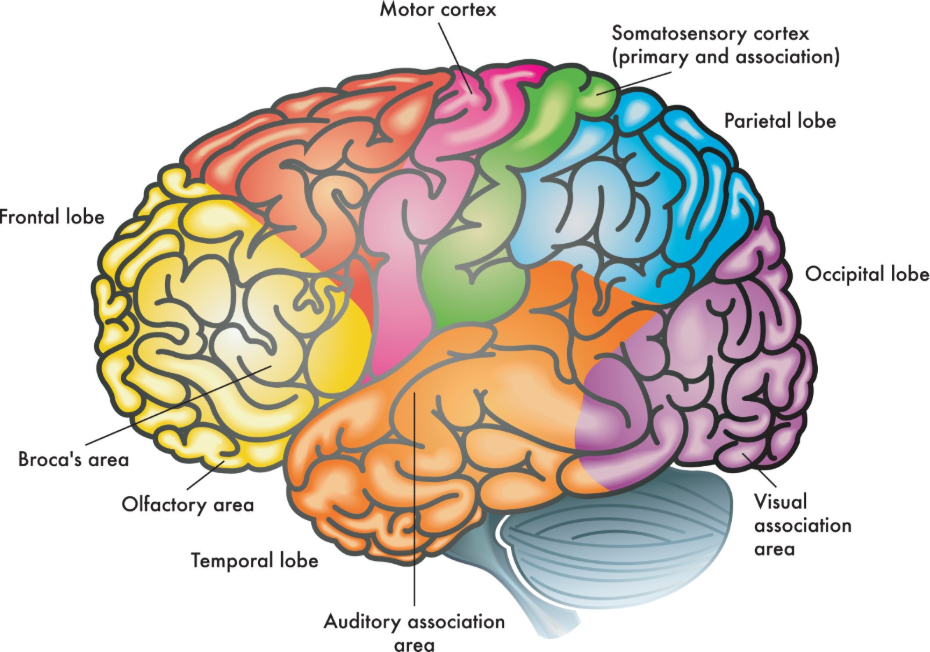
The location of a brain tumour within the skull can influence lifespan by affecting how much of the mass can be safely removed and whether it impacts vital life-sustaining functions. Tumours located in “eloquent” areas, which control speech or motor skills, or those near the brainstem, present greater surgical challenges. NICE clinical guidelines for brain tumours indicate that the location of the tumour is a critical factor in determining the surgical approach and the potential for neurological deficit.
| Location Category | Surgical Feasibility | Impact on Management |
| Superficial Lobe | Generally accessible. | Higher potential for total removal and stability. |
| Deep-seated / Midline | Difficult to reach. | Often requires sub-total removal or biopsy. |
| Brainstem | Extremely high risk. | Focus on non-surgical control and symptoms. |
| Eloquent Areas | Risk to vital function. | Balanced removal to preserve quality of life. |
If a tumour is located in an area that prevents full surgical resection, residual cells may remain, necessitating further treatment to prevent regrowth. In the United Kingdom, neurosurgeons prioritise “maximal safe resection” to improve outcomes while protecting the patient functional independence. A tumour that is well-contained and surgically accessible often carries a more positive long-term outlook. Conversely, tumours that involve critical structures may require more complex, multi-modal management strategies to control growth and protect the central nervous system over the long term.
The Significance of Molecular Markers
Modern neuro-oncology in the United Kingdom places heavy emphasis on molecular markers, which are genetic signatures within the tumour that can predict how well a patient might respond to treatment. These markers often provide a more accurate outlook on lifespan than traditional cell grading alone. The GOV.UK health pages provide clinical profiles indicating that molecular testing is a vital part of the diagnostic pathway for brain tumours in the UK.
Important molecular factors include:
- IDH Mutation: Associated with a more favourable prognosis in certain gliomas.
- 1p/19q Codeletion: Suggests a tumour may be more sensitive to specific therapies.
- MGMT Methylation: Predicts a better response to certain types of chemotherapy.
- BRAF Mutations: Found in rare tumours and can be targeted with new medications.
These markers are identified through specialist laboratory analysis of the tumour tissue. In the UK, the results help the multidisciplinary team tailor the management plan to the individual. For example, a patient with a high-grade tumour that possesses positive molecular markers may have a better long-term outlook than someone with a lower-grade tumour lacking those markers. This shift toward personalised medicine allows the NHS to use the most effective treatments for each specific case, with the goal of extending stable health and lifespan.
Impact of Age and Performance Status
A patient’s age and overall physical fitness, referred to as their performance status, are essential factors that influence how a brain tumour might affect their lifespan and their ability to tolerate treatment. Younger patients often have higher resilience and may respond more effectively to intensive interventions such as major surgery or high-dose chemotherapy. Performance status is a measure used by UK clinicians to assess how well a patient can perform daily activities.
Patients with a high-performance status those who are active and independent before diagnosis generally have better outcomes because their bodies can recover more quickly from the side effects of treatment. In the United Kingdom, the multidisciplinary team conducts a holistic assessment to ensure that the intensity of the treatment is proportionate to the patient’s physical capacity. Supporting a patient overall health through nutrition and gentle activity is a key part of the care plan. By maintaining physical wellbeing, the NHS aims to help patients complete their full course of treatment, which is a vital factor in achieving the best possible long-term survival.
Long-term Monitoring and Clinical Surveillance
The NHS implements a structured framework of long-term monitoring to detect any changes in the tumour site early, which is a critical component in managing the condition and protecting lifespan. Even after successful initial treatment, regular Magnetic Resonance Imaging (MRI) scans are performed to check for signs of regrowth or late-onset treatment effects. This consistent surveillance provides a safety net for patients throughout their recovery.
The UK follow-up pathway involves:
- Regular MRI Scans: Initially every few months, then becoming less frequent if stable.
- Clinical Reviews: Assessing neurological health and physical function.
- Specialist Nurse Support: Providing a constant point of contact for any new symptoms.
- MDT Discussion: Re-evaluating the case if scans show any signs of change.
This integrated approach ensures that if a tumour does show signs of becoming active again, the medical team can intervene promptly with further surgery or oncology. For many patients with low-grade tumours, this monitoring continues for many years, reflecting the long-term nature of the condition. By identifying changes at the earliest opportunity, UK clinicians can implement management strategies that aim to maintain stability and prevent the tumour from impacting the patient overall life expectancy.
Balancing Lifespan and Quality of Life
In the United Kingdom, the goal of brain tumour management is to extend lifespan while simultaneously prioritising the patient quality of life and functional independence. Treatment decisions are made through shared decision-making, where the risks of an intervention are carefully weighed against the potential benefits for the individual. The NHS provides access to neurorehabilitation and palliative care teams to support patients at every stage of their journey.
Specialist support in the UK includes:
- Neurorehabilitation: Helping patients regain movement, speech, and cognitive skills.
- Symptom Management: Using medication to control seizures, swelling, or pain.
- Psychological Support: Addressing the emotional impact of the diagnosis and treatment.
- Social Care Liaison: Ensuring the patient has the necessary support to live safely at home.
This comprehensive support system acknowledges that living longer is most meaningful when the patient can remain engaged with their family and community. In the UK, the focus is on “living well” with a brain tumour, providing a continuous framework of care that addresses physical, emotional, and social needs. By integrating these services, the NHS ensures that the management of a brain tumour is holistic, focusing on the person rather than just the disease.
Conclusion
A brain tumour can affect lifespan, but the impact is influenced by many factors including the WHO grade, molecular markers, and the success of initial treatments. In the UK, the NHS provides a structured and personalised approach to care, using advanced technology and multidisciplinary expertise to achieve the best possible outcomes. While high-grade tumours require intensive long-term management, many patients with low-grade tumours maintain a high quality of life for many years. Consistent monitoring and follow-up are essential components of the clinical pathway to ensure that any changes are identified and managed promptly. The focus of UK healthcare is on extending life while preserving the patient functional independence and wellbeing. If you experience severe, sudden, or worsening symptoms, call 999 immediately.
Does a “benign” tumour mean my lifespan will not be affected?
Many benign tumours have little impact on lifespan if they are fully removed or stable, but their location can still make them serious if they put pressure on vital areas.
Can treatment actually help me live longer?
Yes; surgery, radiotherapy, and chemotherapy are evidence-based treatments used in the UK to control tumour growth and extend stable health.
What is a “performance status” and why does it matter?
It is a score of how well you can do daily tasks; a higher score means you are likely to tolerate and recover from treatment more effectively.
Will my prognosis change over time?
Yes; your doctor will update your outlook based on your latest scan results and how well the tumour has responded to previous treatments.
How often will I need scans in the UK?
Initially, scans may be every 3 to 6 months, but they often become annual if your condition remains stable over several years.
Can I improve my own outlook through lifestyle?
Maintaining a healthy weight and staying as active as possible can help your body recover from the stress of surgery and other therapies.
Where can I find survival statistics for my specific tumour type?
The best source is your specialist consultant, as they can explain national statistics in the context of your specific molecular markers and clinical progress.
Authority Snapshot (E-E-A-T)
This article provides medically factual health education regarding the impact of brain tumours on lifespan, strictly aligned with NHS and NICE clinical guidelines. The content is developed by a professional medical writing team and reviewed by Dr. Rebecca Fernandez, a UK-trained physician with extensive experience in general surgery, cardiology, and emergency medicine. All information follows current UK public health protocols to ensure clinical accuracy and patient safety.



