




Children can often achieve a positive recovery from a brain tumour, although the definition of a full recovery depends on the tumour type, its location, and how the developing brain responds to treatment. In the United Kingdom, paediatric neuro-oncology teams focus on achieving long-term remission while minimising the impact on the child’s future growth and development. The young brain possesses a high degree of plasticity, which can assist in the recovery of lost functions following surgical or medical interventions. The NHS states that many children with brain tumours can be successfully treated and go on to lead full lives. By following integrated care pathways established by NICE, the NHS provides comprehensive support ranging from advanced surgery to long-term neurorehabilitation. This article examines the various factors that influence childhood recovery, the role of specialist paediatric multidisciplinary teams, and the structured surveillance provided within the UK healthcare framework. Understanding the clinical journey helps families navigate the complexities of paediatric care with a focus on both survival and the preservation of quality of life.
What We’ll Discuss in This Article
- Factors influencing the likelihood of a complete recovery in children.
- The role of neuroplasticity in the paediatric recovery process.
- How tumour grade and type determine long-term clinical outcomes.
- Managing the potential late effects of radiotherapy and chemotherapy.
- The importance of integrated paediatric neuro-rehabilitation services.
- Long-term monitoring and educational support within the United Kingdom.
Factors Influencing Childhood Recovery
The recovery of a child from a brain tumour is influenced by several clinical factors, including the age of the child at diagnosis and the specific biological characteristics of the tumour cells. Younger children may have different recovery trajectories than adolescents because their brains and bodies are still undergoing rapid development.
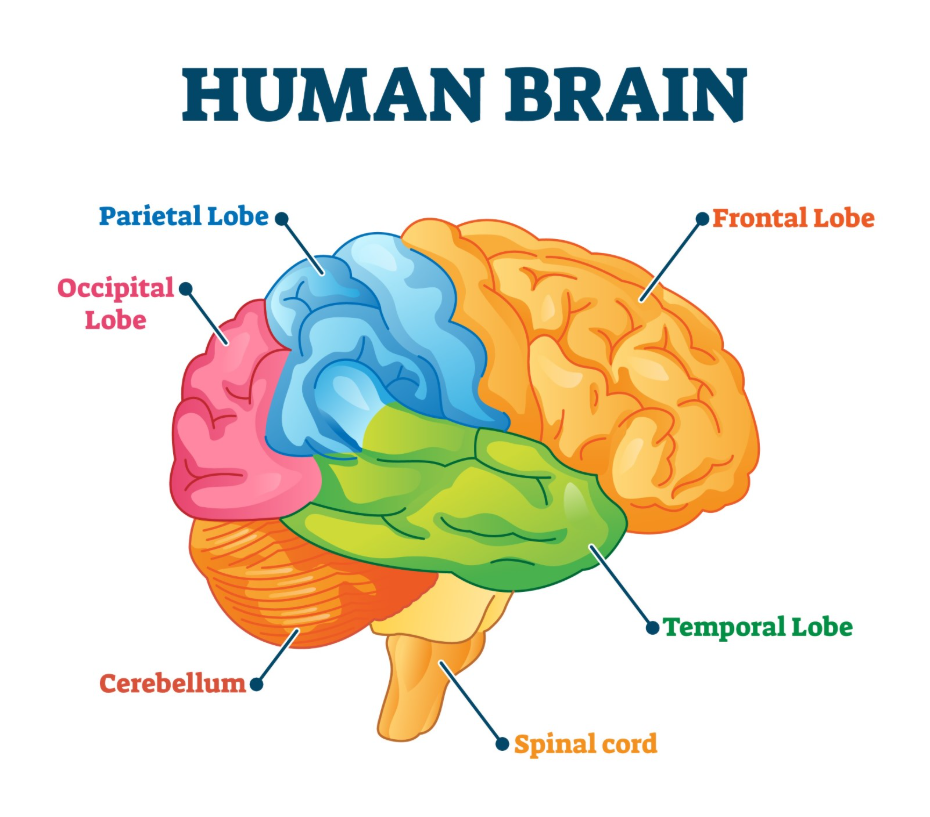
In the United Kingdom, the primary goal of treatment is to achieve the best possible neurological outcome while ensuring the tumour is managed effectively. If a tumour is benign and located in an accessible area, surgical removal may lead to a near-complete recovery of function. However, for more aggressive or deep-seated tumours, recovery may involve long-term management of symptoms and functional support. The multidisciplinary team (MDT) assesses these factors early in the diagnostic process to create a tailored management plan that addresses the child’s unique needs. By considering the whole child rather than just the disease, UK clinicians aim to support the best possible functional and developmental future.
Neuroplasticity and Functional Recovery
Children often show a remarkable ability to recover lost functions after brain tumour surgery due to “neuroplasticity,” which is the brain’s capacity to reorganise its neural pathways and adapt to injury. This biological advantage means that if one part of the child’s brain is affected by a tumour or surgery, other parts can sometimes learn to perform those functions.
The effectiveness of neuroplasticity in the paediatric recovery process depends on:
- The Site of Injury: Some areas of the brain are more adaptable than others.
- The Child’s Age: Younger brains generally have a higher capacity for reorganisation.
- Early Intervention: Providing specialist rehabilitation promptly to encourage new neural connections.
- Consistent Therapy: Engaging in physical and cognitive exercises over a long period.
In the United Kingdom, paediatric physiotherapists and speech therapists work closely with children to harness this plasticity. While neuroplasticity can facilitate significant improvements, it does not always result in a 100% restoration of original function. The focus of UK rehabilitation is on helping the child achieve their developmental milestones and gain as much independence as possible. This adaptive process is a key reason why many children can overcome initial post-operative deficits and return to school and social activities.
Tumour Grade and Long-term Outcomes
The grade of a childhood brain tumour is a significant predictor of the long-term outlook, with low-grade tumours generally associated with a higher probability of a full functional recovery. Paediatric tumours are graded using the World Health Organisation (WHO) system, with Grade 1 and 2 tumours being slow-growing and Grade 3 and 4 being more aggressive.
| Tumour Category | Typical Behaviour | Recovery Focus in UK |
| Low-Grade (Grade 1-2) | Slow-growing; often well-defined. | Focus on full removal and minimal long-term effects. |
| High-Grade (Grade 3-4) | Aggressive; rapidly dividing cells. | Intensive treatment aimed at achieving remission. |
| Benign (Non-cancerous) | Does not spread to other tissues. | Often potentially curable with surgery alone. |
| Malignant (Cancerous) | Can invade surrounding brain tissue. | Requires combined surgery, radiation, or chemotherapy. |
Low-grade gliomas are among the most common brain tumours in children and often have excellent survival rates in the United Kingdom. High-grade tumours, such as medulloblastomas, require more intensive therapy but can still result in long-term survival with modern treatment protocols. The clinical team monitors these grades carefully to determine the necessity of adjuvant treatments like chemotherapy. In the UK, the focus is on achieving a cure while protecting the child’s developing endocrine and nervous systems from the potentially harsh effects of intensive medical interventions.
Managing Late Effects of Treatment
A full recovery in children involves not only managing the tumour but also monitoring for “late effects,” which are health problems that can develop months or years after treatment has finished. These effects can occur because the growing brain and body are particularly sensitive to treatments like radiotherapy and certain types of chemotherapy. The GOV.UK health pages provide clinical profiles indicating that long-term follow-up for paediatric cancer survivors is a mandatory part of the UK care pathway to manage late effects.
Potential late effects monitored by UK specialists include:
- Growth and Hormones: Changes in growth patterns or puberty if the pituitary gland was affected.
- Cognitive Development: Shifts in processing speed, memory, or learning abilities.
- Hearing and Vision: Impact on sensory nerves from certain chemotherapy drugs or radiation.
- Secondary Health Issues: A small risk of developing other health conditions later in life.
The NHS manages these risks through regular appointments with paediatric endocrinologists and oncologists. By identifying these issues early, clinicians can provide hormone replacement therapy or educational support to mitigate their impact. This longitudinal view of recovery ensures that children are supported well into adulthood, acknowledging that the clinical journey extends far beyond the completion of the initial treatment phase.
Integrated Paediatric Neurorehabilitation
Neurorehabilitation is an essential part of the recovery process in the United Kingdom, providing a multidisciplinary framework to help children regain their strength, coordination, and cognitive skills. This supportive care is provided by a team of specialists who understand the unique developmental needs of children.
The UK paediatric rehabilitation team typically includes:
- Paediatric Physiotherapists: Working on movement, balance, and physical strength.
- Occupational Therapists: Helping with daily activities and school-based skills.
- Speech and Language Therapists: Supporting communication and swallowing function.
- Clinical Psychologists: Addressing the emotional impact and cognitive health of the child.
In the UK, rehabilitation is often delivered through a combination of hospital-based sessions and community support. The goal is to integrate the child’s therapy into their normal routine as much as possible, often involving play-based activities to keep the child engaged. This integrated support system ensures that children have the best opportunity to achieve their functional potential and to adapt to any lasting changes in their neurological health.
Long-term Monitoring and Educational Support
Recovery in the United Kingdom also involves ensuring that the child is supported within the education system, as cognitive changes can sometimes affect school performance. The NHS works alongside schools and local authorities to provide “Individual Healthcare Plans” (IHPs) or “Education, Health and Care” (EHC) plans for children who require extra help.
The UK long-term support framework ensures:
- Regular MRI Surveillance: Monitoring the brain to ensure the tumour remains in remission.
- Educational Liaison: Helping teachers understand the child’s specific cognitive or physical needs.
- Neuropsychological Testing: Periodic assessments to track cognitive development.
- Transition Support: Helping young people move from paediatric to adult health services.
This coordinated approach provides a safety net for children as they grow, ensuring that any challenges are identified and addressed promptly. By providing this structured long-term framework, the NHS supports families in managing the complexities of life after a childhood brain tumour. Reaching the milestone of a “full recovery” is viewed as a holistic achievement that encompasses physical health, emotional wellbeing, and successful reintegration into school and community life.
Conclusion
Many children can recover effectively from a brain tumour, aided by the natural plasticity of the young brain and advanced treatments provided by the NHS. While a “full recovery” involves the successful management of the tumour, it also requires long-term vigilance for late effects and consistent neurorehabilitation. In the UK, multidisciplinary teams coordinate this integrated care to support the child’s developmental and functional milestones. Low-grade tumours often have a high probability of successful long-term outcomes, while high-grade cases benefit from intensive modern protocols. Structured monitoring and educational support are essential components of the clinical pathway to ensure the best possible future for every child. If you experience severe, sudden, or worsening symptoms, call 999 immediately.
Does a child’s age at diagnosis affect their recovery?
Yes; the age can influence both how the brain adapts to injury and how sensitive the body is to certain treatments like radiotherapy.
Will my child be able to return to a normal school?
Most children in the UK return to mainstream school, often with additional support or a phased return plan coordinated by the medical team.
How long does the recovery process take for a child?
The acute recovery from surgery takes a few weeks, but functional and cognitive rehabilitation can continue for several months or years.
Are there any specific risks for very young children?
Children under the age of three are often managed with chemotherapy rather than radiotherapy to protect their developing brain tissue.
Can a brain tumour affect a child’s personality long-term?
Some children may experience temporary or lasting changes in mood or behaviour, which are managed with neuropsychological support in the UK.
Is there a risk of the tumour coming back in the future?
The risk depends on the tumour type and grade; regular MRI scans are used by the NHS to monitor for any signs of regrowth.
What help is available for parents and siblings?
The NHS and charities like Young Lives vs Cancer provide emotional and practical support for the whole family during and after treatment.
Authority Snapshot (E-E-A-T)
This article provides medically factual health education regarding childhood brain tumour recovery, strictly aligned with NHS and NICE clinical guidelines. The content is developed by a professional medical writing team and reviewed by Dr. Rebecca Fernandez, a UK-trained physician with experience in general surgery, emergency care, and psychiatry. All information follows current UK public health protocols to ensure clinical accuracy and patient safety.



