




Long-term complications can occur following brain tumour treatments because the interventions required to manage the growth can sometimes affect healthy brain tissue and other bodily systems. In the United Kingdom, healthcare professionals refer to these as late effects, which may manifest months or even years after the primary treatment has concluded. The NHS and NICE provide structured follow-up pathways to monitor for these changes and implement supportive care as needed. While many patients recover without significant permanent issues, others may require integrated support from multidisciplinary teams to manage physical, cognitive, or hormonal shifts. Understanding the potential for long-term complications helps patients and families navigate the post-treatment phase with informed clinical oversight. This article explores the common categories of late effects, the factors that influence their development, and the comprehensive support framework provided within the UK healthcare system.
What We’ll Discuss in This Article
- The distinction between acute side effects and long-term complications.
- Potential neurological and physical changes following neurosurgery.
- Late effects associated with cranial radiotherapy and healthy tissue impact.
- Cognitive and memory challenges that may persist after chemotherapy.
- Endocrine and hormonal complications related to pituitary health.
- Integrated UK support systems for managing long-term treatment effects.
Neurological and Physical Complications Post-Surgery
Long-term physical complications following brain surgery can include persistent weakness, balance issues, or sensory changes if the surgical site involved eloquent areas of the brain. While the primary goal of surgery is to remove the tumour, the process can sometimes result in permanent alterations to neural pathways. The NHS states that some people have long-term problems after treatment for a brain tumour, such as speech and language problems or problems with balance.
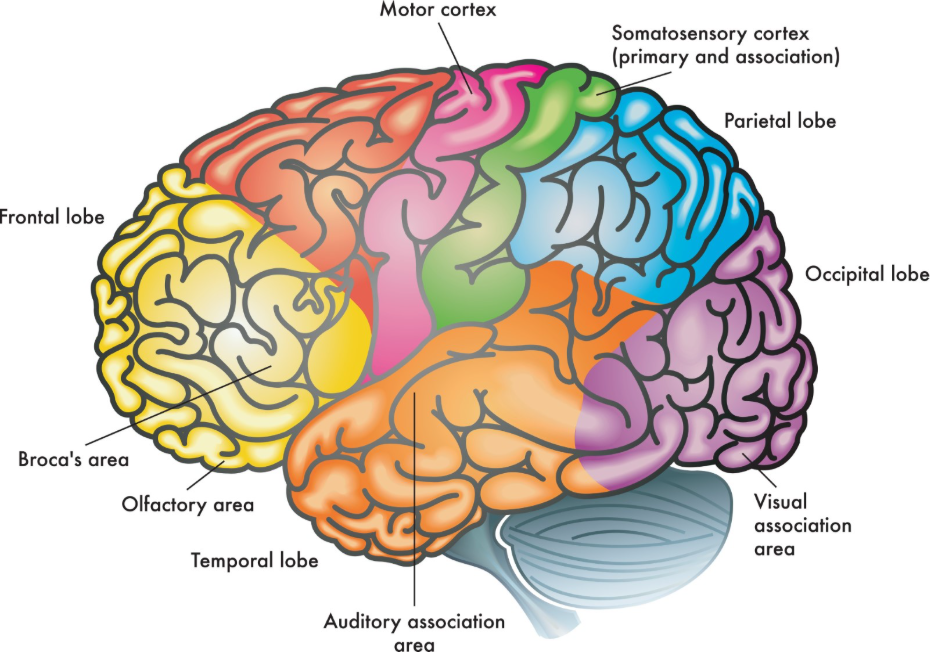
Persistent physical issues are often managed through long-term neurorehabilitation provided by the NHS. Some patients may also experience a permanent risk of seizures due to scar tissue formed at the site of the operation. In the United Kingdom, anti-epileptic medications are often used over the long term to manage this specific risk. Additionally, some individuals may experience chronic headaches or fatigue that require ongoing clinical assessment. The multidisciplinary team works to ensure that these physical changes are identified during regular follow-up appointments, and that appropriate physiotherapy or occupational therapy is provided to support functional independence.
Late Effects of Cranial Radiotherapy
Cranial radiotherapy can lead to long-term complications because the radiation beams, while targeting tumour cells, may also cause gradual changes to the surrounding healthy brain tissue and blood vessels. These effects are often delayed and might only become apparent several years after the treatment has finished. NICE clinical guidelines for brain tumours indicate that patients who have received radiotherapy should be monitored for late-onset cognitive and endocrine changes.
Common late effects of radiotherapy include:
- Cognitive decline: Gradual changes in processing speed and memory.
- Radiation necrosis: A rare late reaction where dead tissue causes inflammation.
- Vascular changes: Narrowing of small blood vessels in the brain tissue.
- Vision or hearing changes: Occurring if sensory nerves were in the treatment field.
In the United Kingdom, neuro-oncologists use advanced planning techniques to minimise the dose of radiation to healthy structures, but some degree of risk remains. Regular MRI scans are essential for distinguishing between these late-term treatment effects and a potential tumour recurrence. If radiation necrosis occurs, it is managed with steroids or other specialist medications within the NHS framework to reduce inflammation and protect neurological function.
Long-term Cognitive and Memory Challenges
Many patients in the United Kingdom experience persistent cognitive challenges, such as difficulties with concentration, memory, and executive function, which can remain as a permanent legacy of their treatment. These issues can stem from both the initial pressure of the tumour and the cumulative impact of surgery, radiotherapy, or specific chemotherapy drugs on the brain’s processing networks.
| Cognitive Area | Potential Long-term Impact | Management Strategy in UK |
| Short-term Memory | Difficulty recalling new information. | Use of memory aids and digital alerts. |
| Attention | Reduced ability to focus on tasks. | Cognitive rehabilitation exercises. |
| Processing Speed | Taking longer to understand tasks. | Workplace or educational adjustments. |
| Executive Function | Difficulty with planning and organisation. | Occupational therapy support. |
These symptoms are often referred to as “hidden” disabilities because they are not physically visible but can significantly impact a person’s ability to return to work or maintain social roles. In the UK, neuropsychologists provide detailed assessments to identify these specific deficits. Once identified, cognitive rehabilitation is offered to help patients develop compensatory strategies. The NHS emphasises that managing these complications is a long-term process, requiring patience and consistent support from both medical professionals and the patient’s personal network.
Endocrine and Hormonal Complications
Hormonal complications can develop as a long-term effect of brain tumour treatment if the tumour or the radiotherapy affected the pituitary gland or the hypothalamus. These structures are the control centres for the body’s hormones, and even slight damage can lead to a range of endocrine issues. The GOV.UK health pages provide clinical profiles indicating that endocrine dysfunction is a recognised late effect for many survivors of brain tumours in the UK.
Symptoms of endocrine complications may include:
- Fatigue and lethargy: Often related to thyroid or adrenal function.
- Changes in weight: Alterations in metabolism or growth hormone levels.
- Fertility issues: Impact on reproductive hormones.
- Thirst and urination changes: Related to the regulation of body fluids.
In the United Kingdom, patients who have had treatment near these areas are often referred to an endocrinologist for regular blood tests. Hormone replacement therapy is frequently used to manage these complications effectively, allowing patients to maintain their quality of life. Because these symptoms can be subtle and develop slowly, long-term vigilance by the clinical team is necessary to ensure that hormone levels remain within a healthy range.
Integrated UK Support for Long-term Care
The United Kingdom provides an integrated framework of supportive care to help patients manage any long-term complications that arise following their brain tumour treatment. This coordinated approach ensures that physical, cognitive, and emotional needs are addressed through a single management pathway.
This integrated support includes:
- Specialist Nurses: Acting as the primary point of contact for clinical concerns.
- Neurorehabilitation: Provided by physiotherapists and occupational therapists.
- Clinical Psychology: Offering support for the emotional impact of long-term changes.
- Speech and Language Therapy: Assisting with any persistent communication issues.
This support system acts as a safety net, ensuring that patients are not left to manage complications alone. In the UK, follow-up appointments with the multidisciplinary team provide a regular opportunity to review these late effects and adjust treatment plans. By providing access to various specialities, the NHS aims to help patients achieve the best possible functional outcomes and to adapt to their “new normal” following treatment.
Conclusion
Long-term complications from brain tumour treatments can occur and may include physical, cognitive, and hormonal changes that persist for many years. In the UK, these late effects are managed through a structured follow-up programme within the NHS to ensure early identification and intervention. While some complications result from direct surgical impact, others may develop gradually following radiotherapy or chemotherapy. Every patient’s experience is unique, and multidisciplinary teams coordinate integrated rehabilitation to support functional independence. Maintaining regular clinical reviews is essential for managing your long-term health and wellbeing after treatment. If you experience severe, sudden, or worsening symptoms, call 999 immediately.
Can complications develop years after my treatment has ended?
Yes; some late effects of radiotherapy or surgery may only become apparent several years after your active treatment is finished.
Will my cognitive problems improve over time?
Many people find their thinking skills improve with rehabilitation, although some may need to use permanent memory aids or strategies.
Is hair loss after treatment always permanent?
In some cases, hair may grow back thinner or not at all in areas that received high-dose radiotherapy, but this depends on the specific treatment.
Can treatment-related fatigue be cured?
While it may not always be “cured,” it can be managed effectively through energy pacing and a gradual increase in activity under clinical guidance.
How often will I need blood tests for hormone levels?
If your treatment was near the pituitary gland, you might need annual blood tests as part of your long-term follow-up in the UK.
Are there long-term emotional effects from treatment?
Yes; changes in mood or personality can occur, and the NHS provides access to clinical psychology to help you and your family adapt.
Do I need to see my GP for these complications or my consultant?
In the UK, your consultant or specialist nurse usually manages your late effects, but your GP is vital for your general health and coordination.
Authority Snapshot (E-E-A-T)
This article provides medically factual health education regarding long-term complications of brain tumour treatments, strictly aligned with NHS and NICE clinical guidelines. The content is developed by a professional medical writing team and reviewed by Dr. Rebecca Fernandez, a UK-trained physician with extensive experience in general surgery, cardiology, and emergency medicine. All information follows current UK public health protocols to ensure clinical accuracy and patient safety.



