




A brain tumour can impact daily life by causing physical, cognitive, and emotional changes that vary according to the tumour location and the specific treatments prescribed by clinical teams. In the United Kingdom, healthcare professionals focus on holistic management to help patients adapt to these shifts and maintain as much independence as possible. The NHS provides integrated support through multidisciplinary teams, involving specialist nurses and therapists who coordinate care throughout the journey. Understanding these potential changes allows patients and families to prepare for the practical adjustments required in their routine. By following evidence-based protocols from NICE, the UK healthcare system ensures that supportive care is tailored to the individual functional needs of the patient. This article examines the common challenges faced in everyday life, the role of neurorehabilitation, and the various support systems available to assist individuals in managing their neurological health.
What We’ll Discuss in This Article
- The physical impact of a brain tumour on mobility and coordination.
- How cognitive changes affect memory, focus, and daily planning.
- Managing persistent fatigue and its influence on daily activities.
- Emotional and behavioural shifts resulting from neurological changes.
- Legal and practical considerations regarding driving and employment.
- Accessing integrated NHS support and community rehabilitation services.
Physical Impacts on Mobility and Coordination
A brain tumour can cause significant physical challenges in daily life, ranging from limb weakness and balance issues to difficulties with fine motor skills. These symptoms occur when a tumour puts pressure on the motor cortex or the cerebellum, which are the parts of the brain responsible for movement and coordination. The NHS states that a brain tumour can cause problems with your vision, balance, and coordination, which may make daily tasks more difficult.
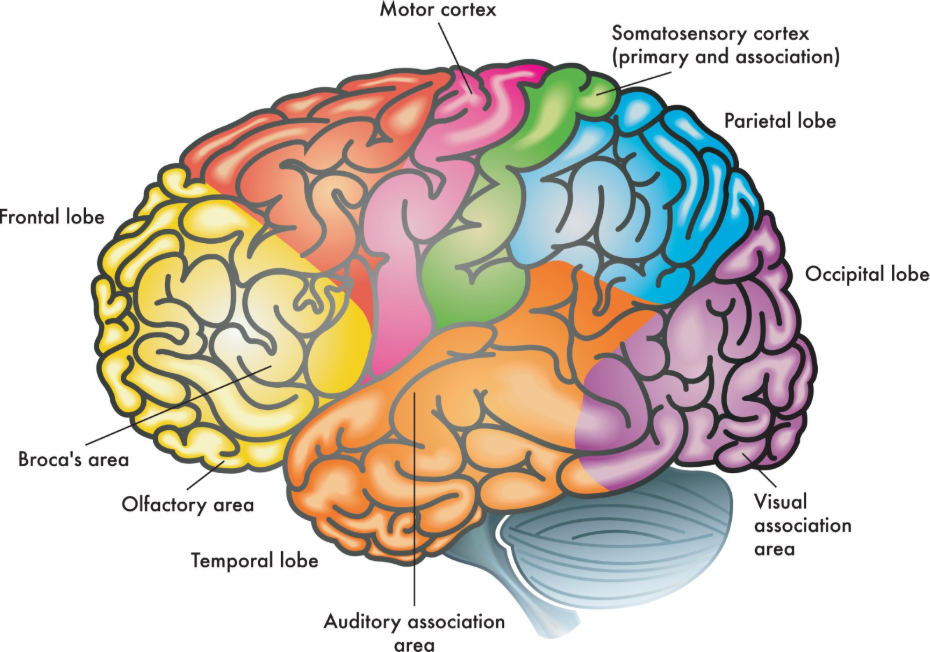
In the United Kingdom, patients may require adaptations to their home environment to manage these physical shifts safely. For example, installing grab rails or using walking aids can help maintain independence if balance is affected. Occupational therapists and physiotherapists within the NHS work with patients to develop strength and to find new ways of performing routine tasks. These physical changes can fluctuate depending on treatment phases, such as surgery or radiotherapy, requiring the management plan to be reviewed regularly. By addressing these physical impacts early, clinical teams aim to prevent falls and ensure that the patient remains as active as possible within their community.
Cognitive Challenges and Daily Planning
Cognitive changes, such as difficulties with memory, attention, and executive function, often represent one of the most significant impacts of a brain tumour on a person’s daily routine. These “hidden” symptoms can make it challenging to follow conversations, manage finances, or plan complex sequences of actions like cooking a meal. NICE clinical guidelines for brain tumours indicate that cognitive rehabilitation should be offered to help patients manage persistent changes in their thinking and memory skills.
To manage these challenges, UK healthcare professionals often recommend compensatory strategies such as:
- Memory Aids: Using digital calendars, phone alerts, and physical planners to track appointments.
- Routine Establishment: Following a strict daily schedule to reduce the mental effort required for planning.
- Task Simplification: Breaking down larger chores into small, manageable steps.
- Environmental Modification: Labelling cupboards or using clear storage to help locate essential items.
These adjustments help reduce the frustration that can arise when the brain processes information more slowly than before. Specialist neuropsychologists in the UK provide assessments to identify specific areas of cognitive weakness, allowing for a more targeted rehabilitation approach. By integrating these strategies into daily life, patients can often maintain their participation in social and domestic activities despite their cognitive challenges.
Managing Persistent Fatigue and Pacing
Long-term fatigue, often referred to as neuro-fatigue, is a common experience for those living with a brain tumour and can significantly limit the amount of activity a person can undertake in a single day. This type of tiredness is not always relieved by sleep and can be exacerbated by both the tumour itself and the side effects of treatments like chemotherapy or radiotherapy.
| Activity Category | Potential Impact of Fatigue | Management Strategy in UK |
| Physical Tasks | Early exhaustion during walking or cleaning. | Pacing and taking regular rest breaks. |
| Social Interaction | Feeling overwhelmed in noisy environments. | Scheduling visitors for short periods. |
| Work/Hobbies | Difficulty concentrating for long hours. | Using the “spoon theory” to ration energy. |
| Self-Care | Tasks like bathing taking significant effort. | Prioritising essential tasks each day. |
In the United Kingdom, specialist nurses and occupational therapists teach patients the “three Ps” of fatigue management: Pacing, Prioritising, and Planning. This involve learning to recognise early signs of tiredness and resting before reaching the point of complete exhaustion. By carefully managing their energy “budget,” patients can ensure they have enough stamina for the activities that matter most to them. This structured approach to energy management is a vital part of maintaining quality of life and avoiding the cycle of overexertion followed by long periods of recovery.
Emotional and Behavioural Shifts
Changes in personality, mood, and social behaviour can occur if a brain tumour affects the frontal lobes or the limbic system, which govern emotional regulation and social conduct. Patients may find they are more easily frustrated, experience low mood, or feel a sense of “flatness” that was not present before their diagnosis. These emotional shifts can be difficult for both the patient and their family to navigate, as they impact the way the individual interacts with the world.
UK clinical teams include psychologists and specialist nurses who provide support for these emotional changes. It is common for the NHS to offer family-centred support, acknowledging that a brain tumour affects the entire social network. Strategies for managing these shifts include identifying triggers for frustration and using relaxation techniques to manage anxiety. Understanding that these changes are a direct result of the tumour’s biological impact, rather than a personal choice, can help reduce conflict within the home. Peer support groups in the UK also provide a valuable space for patients to share their experiences with others facing similar emotional challenges.
Legal Regulations, Driving, and Employment
Living with a brain tumour in the United Kingdom involves specific legal and practical considerations, particularly regarding the ability to drive and maintain employment. It is a legal requirement to stop driving and inform the DVLA immediately upon the diagnosis of most brain tumours. The GOV.UK health pages provide clinical and legal standards indicating that the length of a driving ban is determined by the tumour type, its grade, and the risk of seizures.
Regarding employment, the Equality Act 2010 protects individuals with a brain tumour from discrimination and requires employers to make “reasonable adjustments” to support their return to work. These might include:
- Flexible Hours: Allowing for a phased return or shorter working days.
- Role Modification: Adjusting tasks to account for physical or cognitive changes.
- Environment Changes: Providing a quiet workspace to help with concentration.
- Technological Aids: Using voice-to-text software or specialised computer equipment.
Occupational health departments and specialist therapists within the NHS can help liaise between the patient and their employer to ensure a safe and sustainable return to the workplace. Navigating these practicalities is a significant part of adapting to life with a brain tumour, and the UK healthcare system provides a framework of advice and advocacy to support patients through these transitions.
Integrated NHS Support and Community Services
The NHS provides a comprehensive framework of integrated support to help patients manage the impact of a brain tumour on their daily life through multidisciplinary teams. This team-based approach ensures that all aspects of a patient’s wellbeing physical, cognitive, and emotional are addressed in a coordinated management plan.
This integrated support includes:
- Specialist Nurses: Acting as a consistent point of contact for clinical and practical advice.
- Neuro-rehabilitation: Provided by community teams to support recovery in the home.
- Social Care Liaison: Helping with home assessments and local authority support.
- Palliative Care Teams: Providing symptom management and emotional support at any stage.
This safety net ensures that patients are not left to manage the complexities of their condition alone. In the UK, the focus is on “living well” with a brain tumour, with services designed to adapt as the patient’s needs change over time. By providing a continuous link between hospital and community care, the NHS supports patients in maintaining their functional independence and achieving the best possible quality of life.
Conclusion
A brain tumour affects daily life through a complex range of physical, cognitive, and emotional changes that require proactive management and support. In the UK, the NHS provides an integrated framework of specialist therapists and nurses to help patients adapt to these shifts and maintain their independence. From managing fatigue through pacing to navigating legal requirements for driving, every aspect of daily life is considered within the multidisciplinary management plan. Following a structured rehabilitation programme is essential for regaining function and improving wellbeing. Every journey is unique, and consistent clinical review ensures that the support provided remains relevant to the individual’s needs. If you experience severe, sudden, or worsening symptoms, call 999 immediately.
When can I start driving again after my diagnosis?
This depends on your tumour type and treatment; you must be seizure-free for a period determined by the DVLA, often at least one year.
How can I explain my “hidden” cognitive symptoms to my friends?
Using simple metaphors, such as comparing your brain’s energy to a battery that drains quickly, can help others understand your need for rest.
Will I ever be able to go back to work full-time?
Many people return to work through a phased approach; your occupational therapist can help assess when you are ready to increase your hours.
Why do I feel more irritable than I used to?
Irritability can be a direct result of the tumour’s location or the stress of managing a long-term condition; specialist support can help you develop coping tools.
Can a brain tumour affect my sense of taste or smell?
Yes; if a tumour is near the olfactory or gustatory pathways, it can alter these senses, impacting your enjoyment of food.
How do I find local support groups in my area?
Your specialist nurse or local Macmillan hub can provide information on peer support groups and charities within your region.
Are there any specific exercises to help with neuro-fatigue?
Gentle, regular activity like walking can sometimes help improve stamina, but it must be balanced with the “pacing” strategies taught by your therapists.
Authority Snapshot (E-E-A-T)
This article provides medically factual health education regarding the impact of brain tumours on daily life, strictly aligned with NHS and NICE clinical guidelines. The content is developed by a professional medical writing team and reviewed by Dr. Rebecca Fernandez, a UK-trained physician with extensive experience in surgery, cardiology, and emergency medicine. All information follows current UK public health protocols to ensure clinical accuracy and patient safety.



