




A brain tumour can impact mental health through direct physiological changes in the brain or as a psychological response to the diagnosis and subsequent medical treatments. In the United Kingdom, healthcare professionals recognize that emotional and psychiatric symptoms are often as significant as physical ones, requiring an integrated approach to management. The NHS provides access to specialist neuropsychology and clinical psychology to help patients navigate changes in mood, personality, and cognitive function. By following evidence-based protocols established by NICE, multidisciplinary teams ensure that mental wellbeing is prioritised alongside physical recovery. Understanding the relationship between brain biology and mental health helps families and patients manage the complexities of the condition with informed clinical support. This article examines the biological drivers of emotional shifts, the impact of treatment on mood, and the comprehensive support framework provided within the UK healthcare system to assist patients in maintaining their psychological health.
What We’ll Discuss in This Article
- Biological causes of mood and personality changes in the brain.
- The emotional impact of receiving a brain tumour diagnosis.
- How surgery, radiotherapy, and chemotherapy influence mental wellbeing.
- Identifying symptoms of anxiety and depression in neuro-oncology.
- The role of neuropsychology and integrated psychiatric support.
- Accessing community resources and specialist NHS mental health care.
Biological Drivers of Emotional and Personality Shifts
The location of a brain tumour is a primary factor in how it affects mental health, as different brain regions govern specific aspects of emotion, social behaviour, and personality. When a tumour develops in the frontal lobes, which act as the control centre for social conduct and emotional regulation, it can lead to noticeable changes in a person’s temperament. The NHS states that a brain tumour can cause changes in your personality and behaviour, which can be difficult for you and your family to manage.
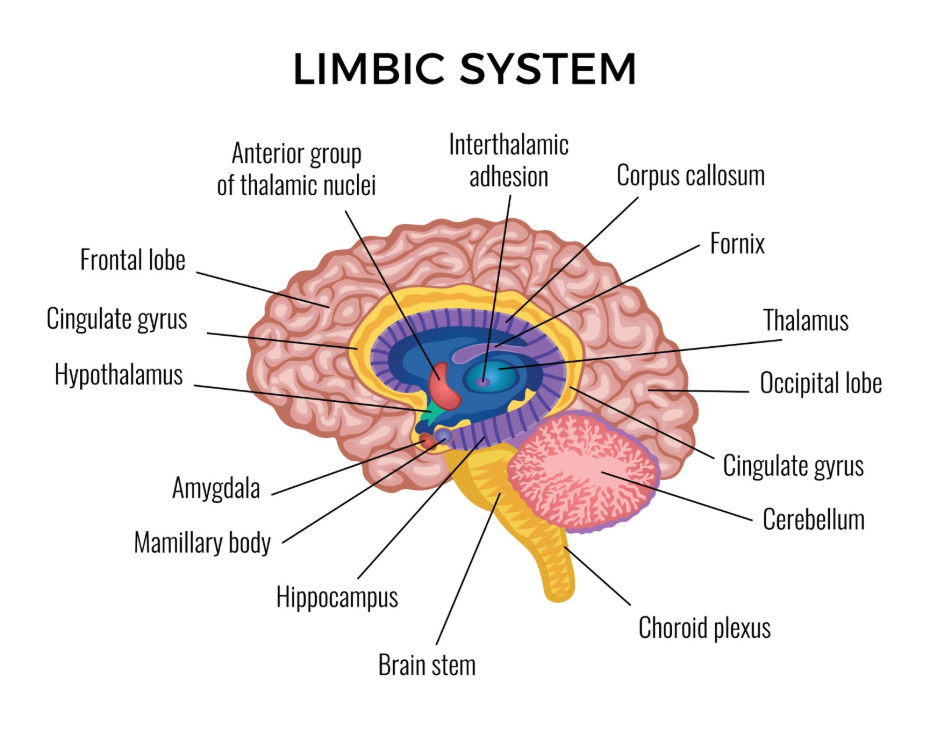
The limbic system, located deep within the brain, also plays a vital role in processing emotions such as fear and pleasure. Pressure from a tumour in this area can lead to sudden mood swings or uncharacteristic emotional responses. In the United Kingdom, clinicians distinguish between a psychological reaction to illness and these biologically driven “organic” personality changes. By using detailed neuroimaging, the multidisciplinary team can identify if a patient’s irritability or apathy is a direct result of the tumour’s physical impact on specific neural circuits. This understanding allows for a more compassionate and targeted approach to care, where family members are supported in understanding that these behavioural shifts are a symptom of the underlying condition.
The Psychological Impact of Diagnosis and Uncertainty
Receiving a brain tumour diagnosis in the United Kingdom can trigger a profound psychological response, often involving stages of grief, shock, and significant anxiety regarding the future. The uncertainty associated with long-term prognosis and the physical changes caused by the condition can place a heavy burden on a patient’s mental health. NICE clinical guidelines for brain tumours indicate that all patients should have access to psychological support to help them cope with the impact of their diagnosis.
This emotional journey often includes:
- Initial Shock: Feelings of numbness or disbelief immediately following the diagnosis.
- Health Anxiety: Persistent worry about symptoms, scan results, or the possibility of recurrence.
- Loss of Identity: Dealing with changes in independence, employment, or social roles.
- Fear of the Future: Navigating the practical and emotional implications of a long-term illness.
In the UK, specialist nurses (key workers) provide an essential point of contact for patients to discuss these feelings. By providing clear, factual information, the clinical team aims to reduce the anxiety caused by the unknown. Many NHS trusts also offer access to peer support groups, where patients can connect with others who have experienced similar emotional challenges. Addressing these psychological needs early is essential for building the resilience required to navigate the subsequent phases of treatment and recovery.
Impact of Treatment on Mental Wellbeing
The treatments used to manage brain tumours, including surgery, radiotherapy, and chemotherapy, can themselves influence mental health through both physical side effects and the emotional stress of the treatment process. Surgery can cause temporary inflammation or “brain fog” that affects mood, while radiotherapy may lead to significant fatigue, which is closely linked to low mood and reduced motivation.
| Treatment Type | Potential Mental Health Impact | Management in the UK |
| Surgery | Temporary confusion or personality shifts. | Post-operative monitoring and steroids. |
| Radiotherapy | Chronic neuro-fatigue and cognitive lag. | Energy pacing and psychological support. |
| Chemotherapy | “Chemo-brain” or mood fluctuations. | Regular clinical review and support. |
| Steroids | Irritability, insomnia, or “steroid psychosis.” | Tapering doses and mood monitoring. |
Steroid medications, such as dexamethasone, are frequently used to reduce brain swelling but are known for their significant impact on mental health. Patients may experience “steroid-induced” mood changes, ranging from heightened anxiety and insomnia to irritability or, in rare cases, more severe psychiatric symptoms. In the United Kingdom, the multidisciplinary team monitors these side effects closely. If a patient experiences significant mood shifts while on steroids, the dose may be adjusted or additional supportive medications prescribed. The goal is to balance the physical benefits of the treatment with the preservation of the patient’s emotional stability.
Identifying Anxiety and Depression in Neuro-oncology
Anxiety and depression are common in patients with brain tumours and require clinical identification to ensure they are managed effectively alongside physical symptoms. Unlike the expected “ups and downs” of a serious illness, clinical depression involves persistent low mood, loss of interest in activities, and changes in sleep or appetite that last for several weeks.
In the United Kingdom, healthcare professionals use standardised screening tools to identify these conditions. Symptoms of anxiety may manifest as:
- Physical Tension: Restlessness, racing heart, or difficulty breathing.
- Intrusive Thoughts: Constant worrying about scan results or “scanxiety.”
- Avoidance Behaviour: Avoiding social situations or appointments due to fear.
- Sleep Disturbances: Difficulty falling or staying asleep due to a racing mind.
The GOV.UK health pages provide clinical profiles indicating that mental health assessment is a core part of the cancer service summary to improve overall patient outcomes. Once identified, these conditions are managed through a combination of talking therapies, such as Cognitive Behavioural Therapy (CBT), and occasionally medication. In the UK, the focus is on providing a “stepped care” approach, where the level of support is increased based on the severity of the symptoms. By treating mental health as an integrated part of the condition, the NHS helps patients maintain a better quality of life.
The Role of Neuropsychology and Integrated Support
Neuropsychology is a specialist field within the UK healthcare system that focuses specifically on the relationship between brain function and mental health in the context of neurological conditions. Neuropsychologists perform detailed assessments to understand how a tumour has affected a patient’s cognitive skills, emotional regulation, and behaviour.
The integrated support framework in the UK involves:
- Cognitive Assessment: Identifying changes in memory, attention, or executive function.
- Rehabilitation Planning: Developing strategies to manage cognitive and emotional shifts.
- Family Consultation: Helping relatives understand and cope with behavioural changes.
- Psychological Therapy: Tailored sessions to address anxiety, depression, or trauma.
This specialist support is often provided through community neuro-rehabilitation teams. In the UK, the neuropsychologist works closely with the neuro-oncologist and the specialist nurse to ensure the care is coordinated. For patients experiencing more complex psychiatric symptoms, a referral to a neuropsychiatrist may be made. This high level of integrated expertise ensures that the “hidden” impacts of a brain tumour on the mind are addressed with the same clinical rigour as the physical tumour itself.
Accessing Community Resources and NHS Care
The United Kingdom provides a range of community resources and specialist services to support the mental health of brain tumour patients and their families. This coordinated network ensures that support is available not just in the hospital, but also within the home environment where the daily impact of the condition is most felt.
The UK support network includes:
- Specialist Nurses: Acting as the first point of contact for emotional concerns.
- Improving Access to Psychological Therapies (IAPT): Local NHS services for talking therapies.
- Charity Partnerships: Support from organisations like The Brain Tumour Charity or Macmillan.
- Social Prescribing: Linking patients to local community groups and wellbeing activities.
Accessing these services usually begins with a conversation with the GP or the hospital consultant. In the UK, the focus is on “holistic needs assessment,” where the patient’s emotional and social needs are formally reviewed at regular intervals. This ensures that as the treatment journey progresses, the mental health support remains relevant. By utilising these resources, patients can find the tools they need to manage the psychological impact of their condition, fostering a sense of control and wellbeing despite the challenges they face.
Conclusion
A brain tumour can significantly impact mental health through both direct biological changes in brain function and the psychological stress of the diagnosis and treatment. In the UK, the NHS provides an integrated framework of support involving neuropsychologists, clinical psychologists, and specialist nurses to address these emotional needs. While surgery and medications like steroids can influence mood and personality, these effects are monitored and managed by the multidisciplinary team. Accessing psychological support early is essential for building resilience and maintaining a high quality of life. The UK healthcare system ensures that mental wellbeing is treated as a fundamental component of the overall management plan. If you experience severe, sudden, or worsening symptoms, call 999 immediately.
Is it normal to feel angry after a brain tumour diagnosis?
Yes; anger is a common part of the emotional response to a life-changing diagnosis and can be addressed through talking therapies in the UK.
Can a brain tumour cause me to say things I don’t mean?
Yes; tumours in the frontal lobe can affect social inhibition, leading to uncharacteristic or impulsive comments that are a symptom of the condition.
What is “scanxiety” and how do I cope with it?
It is the anxiety felt before and after medical scans; UK specialist nurses can provide relaxation techniques and clear timelines for results to help.
Will my personality go back to normal after the tumour is treated?
For many, personality shifts improve as swelling reduces or the tumour is removed, although some changes may require long-term adaptation.
Can children with brain tumours experience mental health issues?
Yes; children may experience anxiety or behavioural changes, and the NHS provides specialist paediatric neuropsychological support for families.
Are antidepressants safe to take with brain tumour medications?
Many are safe, but your UK oncologist and GP will check for specific drug interactions with your chemotherapy or anti-seizure medications.
How do I explain my partner’s personality changes to our children?
UK specialist nurses and charities provide resources to help explain that the “illness in the brain” is making the person act differently.
Authority Snapshot (E-E-A-T)
This article provides medically factual health education regarding the impact of brain tumours on mental health, strictly aligned with NHS and NICE clinical guidelines. The content is developed by a professional medical writing team and reviewed by Dr. Rebecca Fernandez, a UK-trained physician with extensive experience in general surgery, cardiology, emergency medicine, and psychiatry. All information follows current UK public health protocols to ensure clinical accuracy and patient safety.



