




A brain tumour is not always fatal, as the outcome depends significantly on the tumour grade, its location, and its biological response to modern medical treatments. In the United Kingdom, many people diagnosed with a brain tumour live for many years, with some benign tumours being successfully cured through surgical intervention alone. The NHS follows evidence-based protocols established by NICE to provide integrated care pathways that focus on extending life and preserving neurological function. While high-grade tumours present more complex clinical challenges, advancements in surgical technology and oncology continue to improve the long-term outlook for many patients. Understanding the factors that influence prognosis is essential for navigating the healthcare system and achieving the best possible quality of life. This article explores the distinction between different tumour grades, the impact of anatomical location, and the comprehensive support framework provided within the UK to manage neurological health effectively over the long term.
What We’ll Discuss in This Article
- The distinction between low-grade and high-grade tumour outcomes.
- How the World Health Organisation grading system influences prognosis.
- The role of surgical accessibility in determining treatment success.
- Why some brain tumours are managed as long-term chronic conditions.
- The impact of molecular markers and genetics on individual survival.
- Integrated NHS support for maintaining quality of life after treatment.
The Influence of WHO Grading on Survival
The grade of a brain tumour is a primary factor in determining whether it is life-threatening, as it indicates how aggressively the abnormal cells are likely to grow and spread. Tumours are graded from 1 to 4 according to the World Health Organisation (WHO) system, with Grade 1 being the least aggressive. The NHS states that low-grade brain tumours are non-cancerous and slow-growing, meaning they can often be successfully treated.
Grade 1 tumours are often well-defined and can sometimes be completely removed, leading to a normal life expectancy. In contrast, Grade 4 tumours are the most aggressive and require intensive management to control their growth. In the United Kingdom, specialists use this grading to plan the initial surgical approach and determine the necessity of adjuvant therapies like radiotherapy. While a higher grade indicates a more serious condition, modern treatments aim to induce long-term remission even in complex cases. The focus of the multidisciplinary team in the UK is to provide a management plan that is proportionate to the biological grade of the tumour, prioritising patient safety and functional independence.
Anatomical Location and Surgical Feasibility
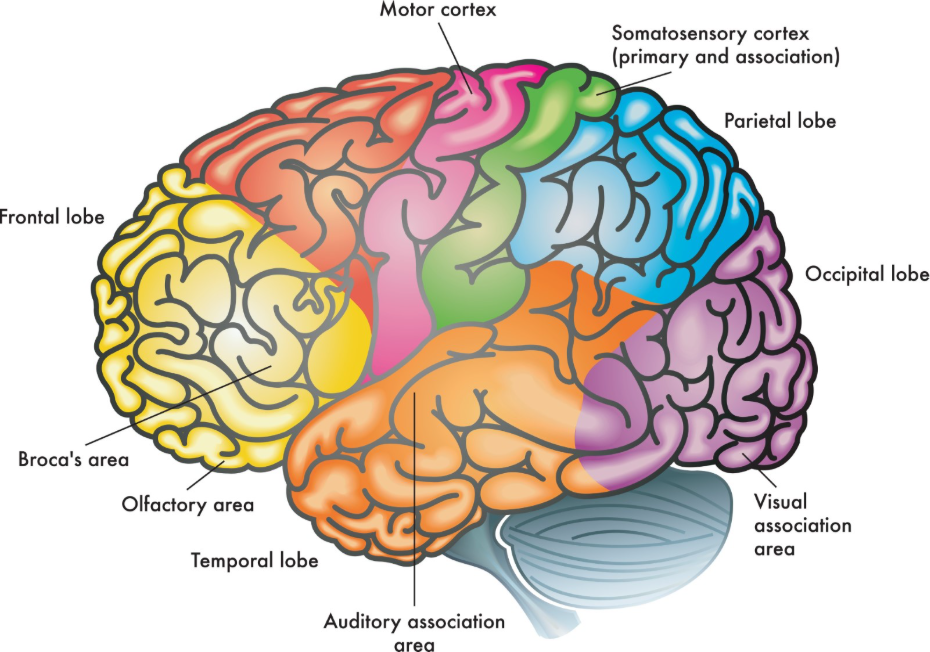
The location of a brain tumour within the cranial cavity influences the prognosis by determining how much of the mass can be safely removed without causing permanent neurological damage. A tumour located in a non-essential or accessible area is often easier to treat than one located deep within the brain or near the brainstem. NICE clinical guidelines for brain tumours indicate that the location of the tumour is a critical factor in deciding the surgical approach and the potential for long-term recovery.
| Location Category | Typical Accessibility | Potential Outcome |
| Superficial Lobe | High accessibility. | Greater chance of maximal safe removal. |
| Midline / Deep | Low accessibility. | May require biopsy or sub-total removal. |
| Brainstem | Extremely high risk. | Focus on non-surgical management. |
| Eloquent Areas | Risk to vital function. | Balanced removal to protect speech or movement. |
In the United Kingdom, neurosurgeons prioritise “maximal safe resection,” which means removing as much of the tumour as possible while protecting vital functions. If a tumour is in an inaccessible area, it may be managed using radiotherapy or chemotherapy instead of surgery. While location can make a tumour more difficult to treat, it does not automatically make the condition fatal. The NHS uses high-resolution imaging to map these areas precisely before treatment, ensuring that every intervention is as safe and effective as possible. This careful anatomical evaluation allows for better management of the condition and more accurate prognostic information for the patient.
The Role of Molecular Markers in Prognosis
Modern neuro-oncology in the United Kingdom increasingly uses molecular markers to provide a more refined outlook for patients, as these genetic signatures can predict how a tumour will respond to treatment. These markers offer a deeper level of detail than traditional cell grading, often revealing that two tumours that look the same under a microscope may behave very differently. The GOV.UK health pages provide clinical profiles indicating that genomic testing is now a vital part of the diagnostic pathway for many brain tumours in the UK.
Important molecular factors include:
- IDH Mutation: Often associated with a more favourable long-term prognosis.
- 1p/19q Codeletion: Indicates a tumour may be more sensitive to specific treatments.
- MGMT Methylation: Predicts a better response to certain chemotherapy drugs.
- BRAF Mutations: Found in some rare tumours and can be targeted with new medications.
These markers are identified through specialist laboratory testing of tumour tissue obtained during surgery or biopsy. In the UK, this information helps the multidisciplinary team tailor the management plan to the individual. For some, having positive molecular markers can mean that even a high-grade tumour can be controlled effectively for several years. This shift toward personalised medicine allows the NHS to move away from general statistics and provide a more nuanced understanding of an individual’s health and survival prospects.
Managing Brain Tumours as Chronic Conditions
For many patients in the United Kingdom, a brain tumour is managed as a long-term or chronic condition rather than an acutely fatal illness. This is particularly true for low-grade tumours that may remain stable for many years with regular monitoring. The goal of the clinical team is to maintain the patient’s functional independence and to keep the disease “stable” for as long as possible.
The integrated UK management framework includes:
- Regular MRI Surveillance: Scheduled scans to detect any changes early.
- Symptom Management: Using medication to control seizures or brain swelling.
- Neurorehabilitation: Supporting physical and cognitive health.
- Specialist Nurse Support: Providing a consistent point of contact for clinical concerns.
This approach acknowledges that while some tumours cannot be cured in the traditional sense, they can be managed effectively so that they do not immediately impact lifespan. In the UK, follow-up care continues for many years, providing a safety net for patients. By treating the tumour as a manageable long-term health issue, the NHS helps patients continue with their daily lives, including returning to work and social activities. This longitudinal view of care is essential for maintaining both physical health and psychological wellbeing.
Quality of Life and Integrated Supportive Care
In the United Kingdom, the management of a brain tumour focuses on quality of life alongside the goal of life extension, ensuring that patients are supported through every stage of their journey. Supportive care is integrated into the management plan from the point of diagnosis, addressing the physical, emotional, and social needs of the individual.
Supportive services in the UK include:
- Occupational Therapy: Helping with home safety and daily tasks.
- Physiotherapy: Improving balance, coordination, and strength.
- Clinical Psychology: Addressing the emotional impact of the diagnosis.
- Palliative Care Teams: Providing specialist symptom management and support at any stage.
This holistic approach ensures that the “burden” of treatment does not outweigh the benefits. In the UK, the multidisciplinary team works closely with the patient and their family to ensure the management goals remain aligned with the patient’s personal wishes. By providing this comprehensive framework, the NHS aims to help patients live as full a life as possible, regardless of the severity of their diagnosis. This commitment to supportive care is a cornerstone of the UK healthcare system’s approach to neurological health.
Conclusion
A brain tumour is not always fatal, and many patients in the UK live for many years following their diagnosis and treatment. The prognosis depends on a combination of tumour grade, location, and the presence of specific molecular markers that guide modern treatment. The NHS provides a structured framework of long-term monitoring and integrated supportive care to manage the condition effectively and preserve quality of life. While high-grade tumours require intensive management, many low-grade tumours are treated as long-term health issues with a focus on stability. Following a personalised management plan with the multidisciplinary team is essential for achieving the best possible functional outcomes. If you experience severe, sudden, or worsening symptoms, call 999 immediately.
Is a benign brain tumour ever fatal?
Most benign tumours have an excellent prognosis, but their location can make them serious if they put pressure on vital areas or are difficult to reach.
Can a high-grade tumour be managed for a long time?
Yes; while they are more aggressive, modern treatments and positive molecular markers allow some patients to achieve periods of long-term stability.
What does “maximal safe resection” mean?
It is a surgical goal in the UK to remove as much tumour as possible without causing permanent damage to the patient’s essential brain functions.
Will my prognosis change as I go through treatment?
Yes; your clinical team will update your outlook based on how the tumour responds to surgery, radiotherapy, or chemotherapy.
How long do people usually live after a low-grade tumour diagnosis?
Many people in the UK with low-grade tumours live for many years or decades, often maintaining a very high quality of life.
Does having a family history mean my tumour is more likely to be fatal?
Most brain tumours are not hereditary, and a family history does not typically change the clinical behaviour of the tumour or its prognosis.
Where can I find the most accurate survival information for my type?
Your specialist consultant is the best source of information, as they can explain national statistics in the context of your individual diagnostic markers.
Authority Snapshot (E-E-A-T)
This article provides medically factual health education regarding the prognosis and management of brain tumours, strictly aligned with NHS and NICE clinical guidelines. The content is developed by a professional medical writing team and reviewed by Dr. Rebecca Fernandez, a UK-trained physician with extensive experience in general surgery, cardiology, and emergency medicine. All information follows current UK public health protocols to ensure clinical accuracy and patient safety.



