




There is currently no scientific evidence to suggest that stress is a direct cause of a brain tumour, as most tumours develop due to complex genetic mutations that are not linked to emotional pressure. In the United Kingdom, healthcare professionals focus on identifying recognised risk factors such as age and exposure to high-dose radiation rather than lifestyle stressors. While chronic stress can impact overall physical and mental health, it does not trigger the abnormal cell division required to form a primary brain tumour. The NHS and NICE prioritise evidence-based research to provide patients with factual information regarding the origins of neurological conditions. Understanding that stress is not a causal factor helps reduce the misplaced sense of responsibility many patients feel following a diagnosis. This article explores the known causes of brain tumours, the biological impact of stress on the body, and the integrated support framework provided within the UK to manage both neurological health and emotional wellbeing effectively.
What We’ll Discuss in This Article
- The current scientific understanding of brain tumour origins.
- Why stress is not considered a direct cause of cell mutation.
- Recognised risk factors and the role of genetic predisposition.
- How the body responds to stress compared to tumour development.
- The importance of managing stress for general health and recovery.
- Accessing integrated NHS support for neurological and mental health.
Current Scientific Understanding of Tumour Origins
The development of a brain tumour is a biological process involving changes in the DNA of brain cells, which causes them to grow and divide in an uncontrolled manner. In the United Kingdom, research has shown that these mutations usually occur sporadically and are not influenced by an individual’s stress levels or lifestyle choices. The NHS states that the exact cause of most brain tumours is unknown, but they are not thought to be caused by things you do.
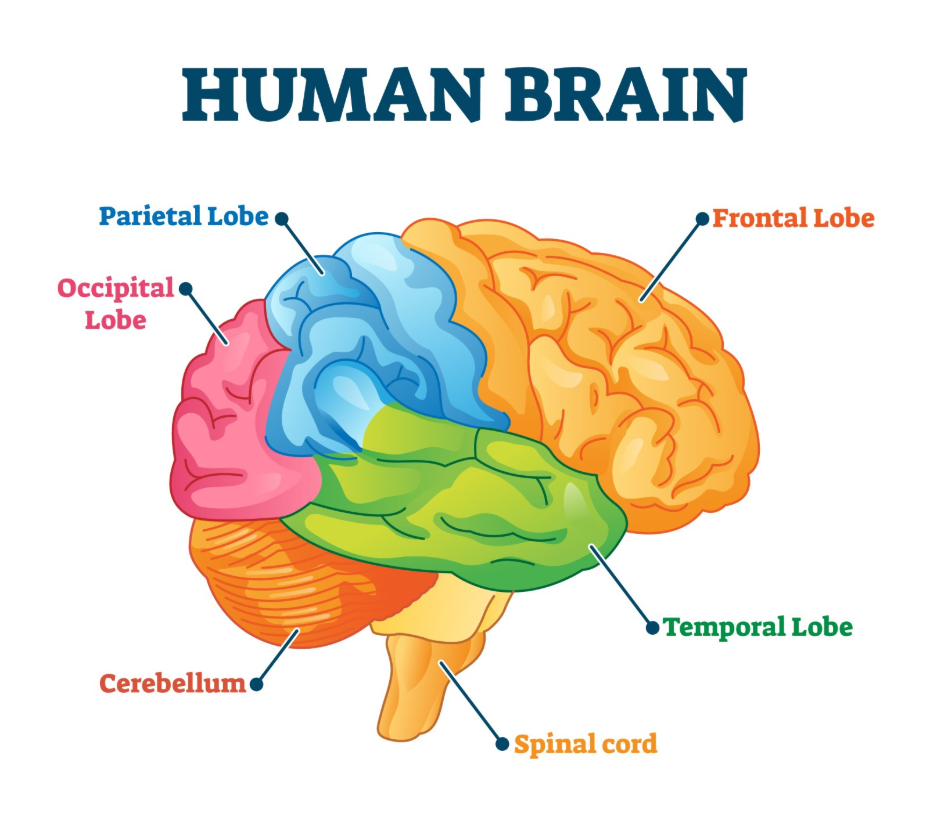
The primary focus of neuro-oncology is identifying the specific molecular and genetic triggers that lead to these cell changes. While external factors like high-dose ionising radiation are known risks, everyday stress does not possess the mutagenic properties required to alter cellular DNA in the brain. Specialists in the UK emphasise that most people who experience high levels of stress throughout their lives do not develop brain tumours. This factual distinction is essential for patients, as it clarifies that a diagnosis is not the result of personal or professional pressures. The UK healthcare system provides a structured pathway to investigate these biological changes through neuroimaging and pathology rather than focusing on psychological triggers.
Biological Impact of Stress vs. Tumour Growth
Stress triggers the “fight or flight” response in the body, leading to the release of hormones like cortisol and adrenaline, but this physiological reaction is distinct from the processes that drive tumour growth. While chronic stress can affect the immune system and cardiovascular health, it does not cause the specific types of damage to the central nervous system associated with primary brain tumours. NICE clinical guidelines for brain tumours indicate that the management of these conditions should be based on biological markers and clinical staging rather than lifestyle stressors.
| Biological Process | Impact of Chronic Stress | Process of Tumour Growth |
| Cell Division | No direct impact on rate. | Uncontrolled and rapid division. |
| DNA Integrity | Not compromised by hormones. | Genetic mutations or deletions. |
| Tissue Impact | Functional (e.g., tension). | Structural (mass formation). |
| Body System | Primarily endocrine/immune. | Localised neurological tissue. |
In the United Kingdom, clinicians manage the symptoms of stress separately from neurological masses. For example, stress can cause tension headaches, but these are functionally different from the headaches caused by increased intracranial pressure from a tumour. By understanding that stress and tumour development occupy different biological pathways, patients can better focus on their clinical management. The NHS provides integrated support to address both the physical tumour and the psychological impact of the illness, ensuring that the patient’s holistic needs are met without confusing the two distinct health issues.
Recognised Risk Factors and Genetics
While stress is not a cause, there are a small number of recognised risk factors that the UK medical community monitors, including age and rare inherited genetic conditions. Most brain tumours occur in older adults, though specific types are more prevalent in children, indicating that the passage of time and natural cell aging are more significant factors than lifestyle pressure. The GOV.UK health pages provide clinical profiles indicating that high-dose radiation exposure is the only confirmed environmental risk factor for brain tumours in the UK.
Rare genetic syndromes, such as Neurofibromatosis or Li-Fraumeni syndrome, can also increase the risk for a small number of families. In these cases, the tumour is caused by a specific inherited mutation rather than any environmental factor like stress. For the vast majority of the UK population, there is no identifiable cause for a brain tumour. This lack of preventable lifestyle triggers is why the NHS focuses on early detection and prompt intervention. By monitoring known risk groups and providing rapid access to scans for those with suspicious symptoms, the UK healthcare system prioritises evidence-led safety over speculative preventative advice.
Managing Stress for General Health and Recovery
Although stress does not cause brain tumours, managing it is an essential part of maintaining overall health and supporting the body through the recovery process after a diagnosis. Living with a serious neurological condition can be inherently stressful, and high levels of anxiety can impact sleep, appetite, and the ability to participate in rehabilitation.
In the United Kingdom, integrated support for wellbeing includes:
- Clinical Psychology: Offering talking therapies to manage the emotional impact of illness.
- Specialist Nurses: Providing clear information to reduce the stress of uncertainty.
- Pacing Strategies: Helping patients manage neuro-fatigue and energy levels.
- Relaxation Techniques: Using mindfulness or ACT to support mental well-being.
Addressing stress helps patients tolerate treatments such as surgery or radiotherapy more effectively. In the UK, multidisciplinary teams often include neuropsychologists who specialise in the emotional challenges faced by brain tumour patients. By reducing the psychological burden, patients can focus more effectively on their functional goals and physical rehabilitation. The NHS recognises that mental health is a vital component of the recovery journey, providing a continuous safety net for those experiencing the distress that often accompanies a major health challenge.
Integrated NHS Support for Neurological Health
The United Kingdom provides a comprehensive framework of integrated support to address both the clinical management of brain tumours and the mental health needs of the patient. This coordinated effort ensures that while the primary focus is on treating the neurological mass, the emotional and psychological impacts are not overlooked.
The UK support framework involves:
- Multidisciplinary Teams: Specialists collaborating on surgery, oncology, and psychology.
- Specialist Nurses: Acting as a consistent point of contact for clinical and emotional concerns.
- Community Neurorehabilitation: Providing home-based support for long-term health.
- General Practice: Ensuring that primary care supports overall health and wellbeing.
This system ensures that any concerns about the causes or management of a brain tumour are addressed with factual, evidence-based information. In the UK, the focus is on “living well” with the condition, providing the tools and knowledge required for patients to maintain their quality of life. Accessing these services through a GP or hospital consultant ensures that any mental health support is medically supervised and integrated with the neurological care plan. By utilizing this framework, patients can navigate their diagnosis with the support of a team that addresses all aspects of their health.
Conclusion
There is no scientific evidence to suggest that stress causes brain tumours, as these conditions are driven by genetic cell mutations rather than emotional pressure. In the UK, the NHS focuses on recognised risk factors such as age and high-dose radiation while providing integrated support for mental wellbeing. While chronic stress can affect overall health, it does not cause the structural changes in brain tissue associated with tumour growth. Managing stress is important for supporting recovery and improving quality of life after a diagnosis. Multidisciplinary teams within the UK healthcare system provide a continuous safety net to address both the physical and psychological needs of every patient. If you experience severe, sudden, or worsening symptoms, call 999 immediately.
Can stress make an existing brain tumour grow faster?
There is no clinical evidence that emotional stress increases the growth rate of a brain tumour; growth is determined by the tumour biology and grade.
Why do I feel more stressed after my diagnosis?
It is a natural psychological response to a life-changing event; the NHS provides specialist support to help you manage these feelings.
Can a brain tumour cause symptoms that feel like stress?
Yes; tumours in certain areas can cause anxiety or mood shifts, which is why a neurological assessment is important for new symptoms.
Does stress weaken the blood-brain barrier?
While chronic stress affects the immune system, there is no proven link that it allows tumours to form by weakening brain protection.
Is there any specific “anti-stress” diet for brain tumours?
A balanced diet supports general health, but there is no evidence that any specific diet prevents tumours by reducing stress.
How can I reduce the stress of waiting for scan results?
In the UK, the 28-day faster diagnosis standard aims to reduce waiting times, and specialist nurses can provide support during this period.
Could my work stress have caused my tumour?
No; UK medical evidence confirms that professional or personal stress does not cause the cell mutations that lead to brain tumours.
Authority Snapshot (E-E-A-T)
This article provides medically factual health education regarding the relationship between stress and brain tumours, strictly aligned with NHS and NICE clinical guidelines. The content is developed by a professional medical writing team and reviewed by Dr. Rebecca Fernandez, a UK-trained physician with experience in general surgery, cardiology, emergency medicine, and psychiatry. All information follows current UK public health protocols to ensure clinical accuracy and patient safety.



