




Blood tests are a vital component of the diagnostic pathway in the United Kingdom for patients suspected of having gallbladder disease or acute inflammation. While imaging scans like ultrasound are typically used to physically see stones or swelling, blood tests provide essential biological information regarding the level of irritation or infection within the body. In the UK, the National Health Service utilises these tests to measure liver enzymes, white blood cell counts, and inflammatory markers, all of which can change significantly when the gallbladder is compromised. These markers help healthcare professionals distinguish between simple, asymptomatic gallstones and more serious conditions like cholecystitis or bile duct obstructions. Understanding how these tests work and what they measure is essential for patients navigating the medical system. By combining laboratory data with clinical observations, doctors can create a comprehensive view of a patient’s health, ensuring that the appropriate level of care is provided, whether that involves conservative management at home or urgent admission for hospital treatment.
What We’ll Discuss in This Article
- The role of blood tests in identifying internal inflammation
- How white blood cell counts signal a gallbladder infection
- The importance of liver function tests in detecting blockages
- Using C-reactive protein to measure the severity of cholecystitis
- Why blood tests are used alongside imaging for an accurate assessment
- Specific markers that indicate if a stone has moved into the bile ducts
- What patients can expect during the blood sampling process
Blood tests are used to help identify signs of infection, inflammation, or blockages caused by gallbladder problems, though they cannot physically see gallstones
In the United Kingdom, blood tests serve as a secondary diagnostic tool that supports the findings of physical examinations and imaging scans. Blood tests may be used to check for signs of infection or to see if your liver is working correctly. When the gallbladder becomes inflamed or infected, as is the case with cholecystitis, the body releases specific proteins and cells into the bloodstream that can be measured in a laboratory. These tests are essential for clinicians to determine if the pain a patient is experiencing is caused by a temporary blockage or a more persistent inflammatory response that requires antibiotic treatment or surgical review.
Measuring inflammation with white blood cell counts
One of the primary markers used by UK healthcare professionals to detect cholecystitis is the white blood cell count, which is part of a full blood count. White blood cells are the body’s primary defence against infection and irritation; when the gallbladder wall becomes inflamed or infected due to a trapped stone, these cell levels typically rise. A significantly elevated white blood cell count suggests that the gallbladder problem has progressed to an acute stage. This information helps doctors decide whether a patient can be managed with oral medications or if they require more intensive hospital-based care to monitor the infection and prevent complications such as an abscess or gallbladder perforation.
The role of liver function tests in detecting obstructions
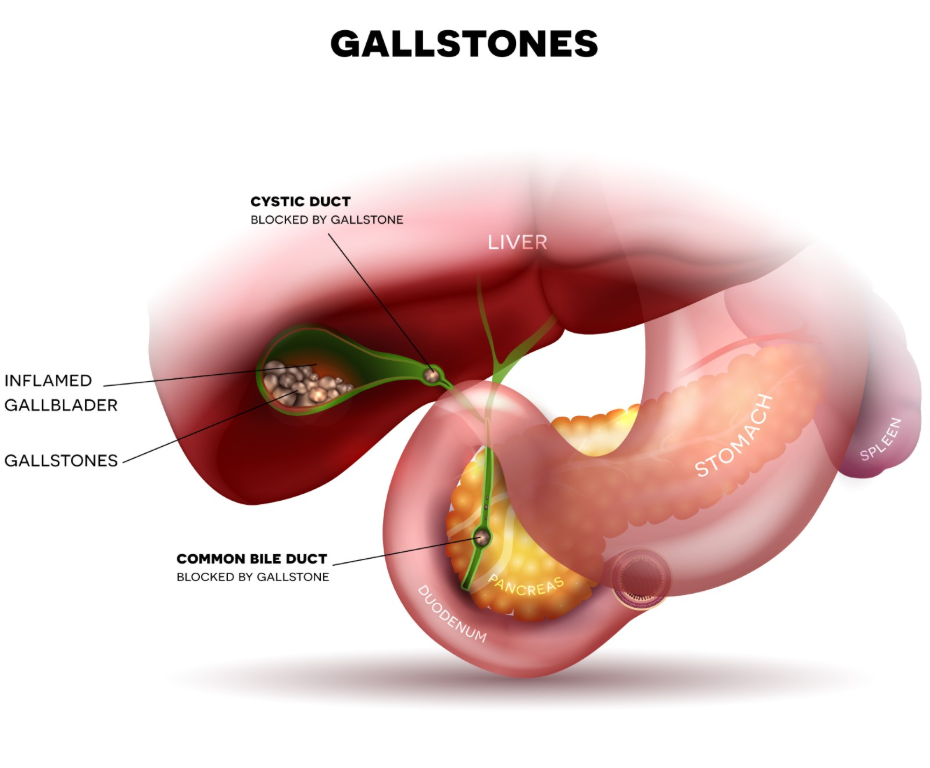
Liver function tests are a group of blood markers that measure various enzymes and proteins produced by the liver, which are often affected by gallbladder issues. Because the liver and gallbladder share a network of drainage tubes called bile ducts, a problem in one often influences the other. If a gallstone blocks the common bile duct, it can lead to a backup of bile that affects the liver and causes jaundice. Markers such as bilirubin, alkaline phosphatase, and alanine aminotransferase are closely monitored in the UK. If these levels are abnormally high, it indicates that bile is not flowing freely into the digestive tract, which is a key sign that a stone may have moved out of the gallbladder and into the wider biliary system.
Identifying acute cholecystitis with C-reactive protein
C-reactive protein, or CRP, is a non-specific marker of inflammation that rises rapidly in response to tissue damage or infection anywhere in the body. In patients suspected of having acute cholecystitis, UK clinicians use CRP levels to gauge the severity of the gallbladder swelling. A high CRP level, combined with characteristic pain in the upper right abdomen, provides strong evidence of active inflammation. According to the National Institute for Health and Care Excellence, blood tests including C-reactive protein and liver function tests are recommended when investigating suspected gallbladder disease. This measurement is particularly useful for tracking a patient’s progress during treatment, as the CRP level should begin to fall once the inflammation starts to subside with antibiotics or other clinical interventions.
Amylase and lipase tests for pancreatic involvement
Sometimes, a gallstone can cause complications that extend to the pancreas, a condition known as gallstone pancreatitis. To investigate this, doctors in the UK may request tests for enzymes called amylase or lipase. If a stone blocks the point where the bile duct and pancreatic duct meet, these enzymes can back up into the bloodstream. Very high levels of amylase or lipase indicate that the pancreas is inflamed, which is a serious medical complication that requires immediate hospital management. These tests are vital for ensuring that the full extent of the gallbladder problem is understood, as pancreatitis requires a different treatment pathway than simple cholecystitis.
Limitations of blood tests in gallbladder diagnosis
It is important for patients to understand that blood tests alone are rarely enough to diagnose a gallbladder problem definitively. Some individuals with confirmed gallstones may have perfectly normal blood test results if the stones are not currently causing a blockage or inflammation. This is why UK healthcare providers always use blood tests in conjunction with imaging, such as an ultrasound scan, which can physically detect the presence of stones. The blood tests provide the “functional” evidence of how the body is reacting, while the scans provide the “structural” evidence of the stones themselves. Together, these tools allow for a high degree of diagnostic accuracy within the NHS framework.
Conclusion
Blood tests are a fundamental part of diagnosing gallbladder problems like cholecystitis in the UK, providing evidence of infection, liver stress, and systemic inflammation. Markers such as white blood cell counts, liver enzymes, and C-reactive protein help clinicians understand the severity of the condition and whether complications like jaundice or pancreatitis are present. While blood tests cannot see gallstones, they are essential for deciding the most appropriate treatment plan. Combining these laboratory results with imaging scans ensures that patients receive safe and effective care. If you experience severe, sudden, or worsening symptoms, call 999 immediately.
Can a blood test tell if I have gallstones?
A blood test cannot physically see stones, but it can show the inflammation or liver issues that gallstones often cause.
Is it possible to have cholecystitis with normal blood tests?
It is uncommon, but in very early stages or in chronic cases, blood markers may sometimes remain within the normal range.
Why did my doctor check my liver if I have gallbladder pain?
The liver and gallbladder share the same drainage ducts, so a gallbladder blockage often causes changes in liver enzymes.
How long do the results of these blood tests take?
In most UK hospitals, results for these specific markers are available within a few hours, though GP surgeries may take longer.
Do I need to fast before a gallbladder blood test?
Fasting is not always required for inflammatory markers, but some liver and glucose tests may require you to avoid food for a specific period.
What is a normal CRP level?
Laboratory ranges can vary, but generally, a CRP level below 10 mg/L is considered normal, while higher levels indicate inflammation.
Will my blood tests return to normal after my gallbladder is removed?
Yes, once the source of the inflammation or blockage is removed, your white cell count and liver enzymes typically return to normal.
Authority Snapshot (E-E-A-T Block)
This article was developed by the Medical Content Team to provide the general public with clear education on the role of laboratory testing in gallbladder disease. The content has been reviewed by Dr. Rebecca Fernandez, a UK-trained physician with extensive experience in general surgery and emergency medicine, to ensure complete alignment with NHS and NICE clinical guidance. Our purpose is to help patients understand their diagnostic journey through factual and restrained reporting.



