




The discovery of gallstones does not automatically necessitate surgical intervention, as the clinical decision to operate depends heavily on the presence of symptoms and the risk of future health complications. In the United Kingdom, it is estimated that a significant proportion of the adult population carries gallstones without ever experiencing discomfort or requiring medical treatment. These are known as asymptomatic stones, and they are often found incidentally during scans for unrelated conditions. When stones do not interfere with the natural flow of bile or cause inflammation, the standard approach within the NHS is often conservative, focusing on observation rather than immediate removal. However, once stones begin to cause episodes of intense pain or lead to secondary conditions like infection, the clinical recommendation typically shifts toward surgery to prevent long term damage to the biliary system. This article explores the various factors that influence whether surgery is necessary, the alternative management strategies available in the UK, and the specific circumstances where removing the gallbladder is the safest course of action to maintain a patient’s overall health and well-being.
What We’ll Discuss in This Article
- The clinical management of asymptomatic or silent gallstones
- Circumstances where the watch and wait approach is appropriate
- When recurring pain makes surgical removal a necessity
- The risk of complications like cholecystitis without surgery
- Non surgical management through dietary and lifestyle changes
- Specific medical conditions that may require preventative surgery
- How clinicians balance surgical risks against the benefits of removal
Surgery is not always required for gallstones and is generally only recommended if the stones are causing symptoms or leading to complications
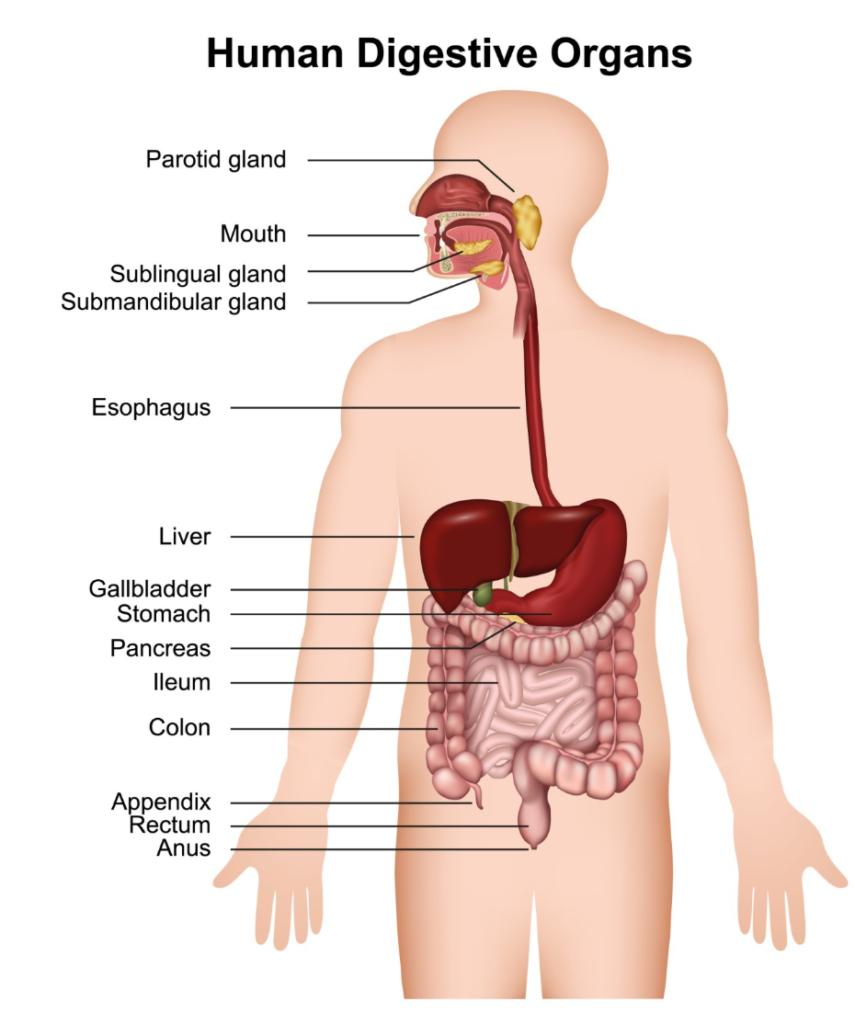
In the United Kingdom, healthcare professionals distinguish between gallstones that cause pain and those that remain silent inside the gallbladder. Treatment for gallstones is usually only necessary if they are causing symptoms, such as abdominal pain, or lead to complications. If a patient is entirely asymptomatic, the risk of developing future problems is statistically low enough that the potential complications of surgery often outweigh the benefits. Consequently, many patients with incidentally discovered stones are advised to simply monitor their health and only seek further medical review if they begin to experience the characteristic sharp pain associated with a gallbladder attack.
The watch and wait approach for asymptomatic stones
For individuals who do not experience biliary colic or inflammation, the NHS often employs a “watch and wait” strategy. This involve educating the patient on the signs to monitor for, such as sudden pain in the upper right abdomen or nausea after eating fatty foods. According to the National Institute for Health and Care Excellence, most people with asymptomatic gallstones do not need treatment unless they develop symptoms. This conservative pathway is preferred because the gallbladder continues to function normally, and avoiding unnecessary surgery prevents the standard risks associated with general anaesthesia and invasive procedures. During this period, no active medical treatment is provided, but the patient remains under the general oversight of their GP.
When surgery becomes the recommended pathway
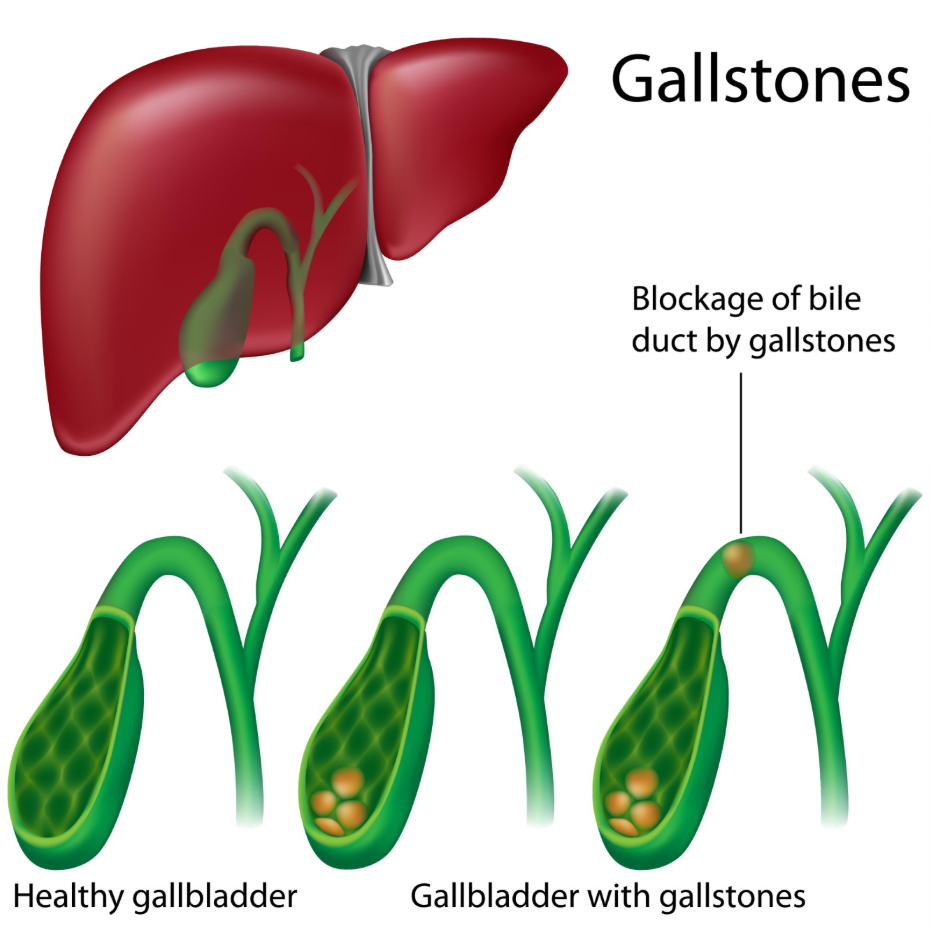
The transition from conservative management to a surgical recommendation typically occurs when the gallstones become “symptomatic.” This means the stones are physically moving and obstructing the ducts, leading to episodes of intense pain known as biliary colic. Once these episodes begin, they are likely to recur and may eventually lead to more severe conditions. If gallstones cause episodes of severe pain, surgery to remove the gallbladder is usually recommended. Clinical guidelines in the UK suggest that elective surgery is the most effective way to prevent future attacks and avoid emergency admissions for acute cholecystitis, which is the painful inflammation or infection of the gallbladder wall.
Managing symptoms through dietary adjustments
While diet cannot remove existing gallstones, it is a significant factor in managing symptoms for those who are either unsuitable for surgery or are awaiting a procedure. The gallbladder is triggered to contract and release bile when a person consumes fats; therefore, a high fat meal can inadvertently push a stone into a duct and cause pain. UK healthcare providers often suggest a low fat, high fibre diet as a way to reduce the frequency of these contractions. This conservative management does not cure the underlying condition but can help maintain a patient’s comfort and reduce the likelihood of stones causing a temporary blockage while a long term clinical plan is being established.
Comparing Surgical and Non-Surgical Management
| Feature | Watch and Wait (Conservative) | Cholecystectomy (Surgical) |
| Indication | Asymptomatic (silent) stones | Recurring pain or complications |
| Goal | Symptom monitoring | Permanent removal of the stone source |
| Risk | Potential for future obstruction | Standard surgical/anaesthetic risks |
| Gallbladder Status | Organ remains in place | Organ is entirely removed |
Rare exceptions requiring preventative surgery
In specific and rare circumstances, UK consultants may recommend the removal of the gallbladder even if the patient has not yet experienced significant symptoms. This may occur if the patient has certain underlying conditions that significantly increase the risk of gallbladder cancer, such as a “porcelain gallbladder” where the organ wall has calcified. Other factors, such as having very large stones over a certain size or specific blood disorders, may also prompt a discussion about preventative surgery. These cases are rare and are handled through specialist biliary clinics within the NHS, where the long term risks of leaving the gallbladder in place are carefully weighed against the patient’s individual health profile.
Effectiveness of non surgical medical treatments
Historically, there have been attempts to use medications to dissolve gallstones or sound wave therapy to break them apart, but these are no longer standard treatments in the UK. Medications containing bile acids are rarely effective for large stones and often require years of consistent use, with the added drawback that the stones frequently return once the treatment stops. Similarly, lithotripsy, which uses shockwaves to shatter stones, has been largely phased out due to its high failure rate compared to modern keyhole surgery. Consequently, when a permanent solution is required for symptomatic disease in the United Kingdom, the surgical removal of the gallbladder remains the clinical gold standard.
Conclusion
Surgery is not a universal requirement for gallstones, and many people in the UK live without intervention if their stones remain asymptomatic. The clinical decision to operate is usually based on the presence of pain or the development of complications like inflammation. While dietary changes can help manage mild symptoms, they do not eliminate the stones themselves. National guidelines ensure that surgery is prioritised for those at the highest risk of acute biliary issues. If you experience severe, sudden, or worsening symptoms, call 999 immediately.
Can I live a normal life without my gallbladder?
Yes, your liver continues to produce bile which then flows directly into the small intestine, allowing for normal digestion.
What happens if I refuse surgery for symptomatic stones?
Choosing not to have surgery when symptoms are present increases the risk of recurring pain and serious complications like jaundice or pancreatitis.
Are there medications that can replace surgery?
While some medications can attempt to dissolve cholesterol stones, they are often ineffective and are not the standard treatment in the UK.
Is keyhole surgery always the method used?
Laparoscopic or keyhole surgery is the most common method, but sometimes open surgery is necessary if the gallbladder is severely inflamed.
Will my stones go away if I change my diet?
A healthy diet can help prevent new stones and reduce attacks, but it will not dissolve or remove gallstones that have already formed.
How do I know if my silent stones have become a problem?
The main indicator is the onset of sudden, severe pain in the upper right abdomen, often accompanied by nausea.
Is surgery recommended for children with gallstones?
Children are typically referred to a specialist paediatric team to determine if surgery is necessary or if there is an underlying medical cause.
Authority Snapshot (E-E-A-T Block)
This article was developed by the Medical Content Team to provide clear education on the clinical pathways for managing gallstones in the United Kingdom. The content has been reviewed by Dr. Rebecca Fernandez, a UK-trained physician with experience in general surgery and emergency medicine, to ensure absolute alignment with NHS and NICE clinical guidance. Our purpose is to help the public understand the balance between conservative monitoring and surgical intervention through factual and restrained reporting.



