




Regular physical activity is an important factor in maintaining a healthy biliary system and reducing the overall risk of gallstone formation. The gallbladder is a small organ that stores bile, a fluid used for digestion, and its function is closely linked to the body’s metabolic health. In the United Kingdom, healthcare professionals highlight the relationship between exercise and the prevention of biliary disease, as physical activity influences cholesterol levels and the motility of the digestive tract. Gallstones typically form when the chemical balance of bile is disrupted, often due to an excess of cholesterol. Exercise helps to manage this balance by improving the way the body processes fats and supporting a healthy weight. By following the established physical activity guidelines provided by the NHS, individuals can take proactive steps to protect their gallbladder and improve their general well-being. This article examines the biological mechanisms through which exercise supports the gallbladder, the specific types of activity recommended within the UK medical framework, and how movement integrates with other lifestyle factors to prevent gallbladder-related issues.
What We’ll Discuss in This Article
- The biological link between physical activity and bile composition
- How exercise supports healthy cholesterol levels in the gallbladder
- The role of movement in improving gallbladder motility and emptying
- Recommended types and duration of exercise for UK adults
- The relationship between exercise and maintaining a healthy weight
- How physical activity reduces the risk of symptomatic gallstone disease
- Practical ways to incorporate movement into a gallbladder-friendly lifestyle
Regular exercise reduces the risk of gallstones by improving the body’s metabolism of cholesterol and supporting the efficient emptying of the gallbladder
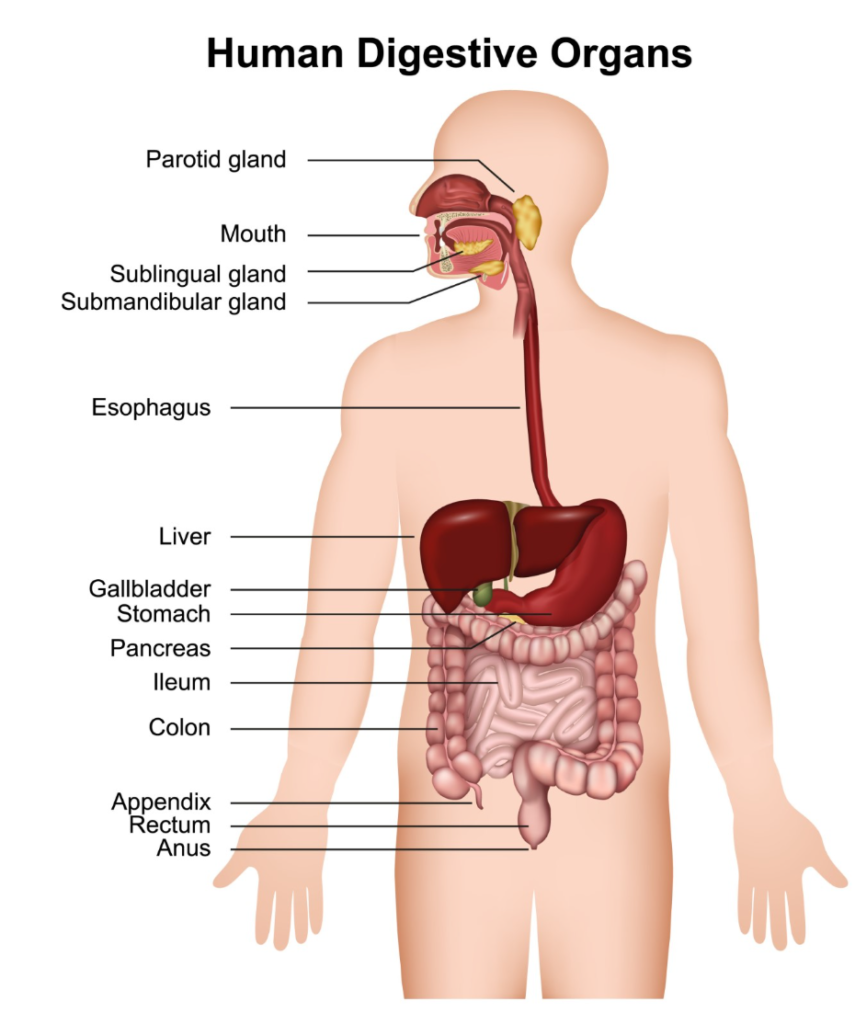
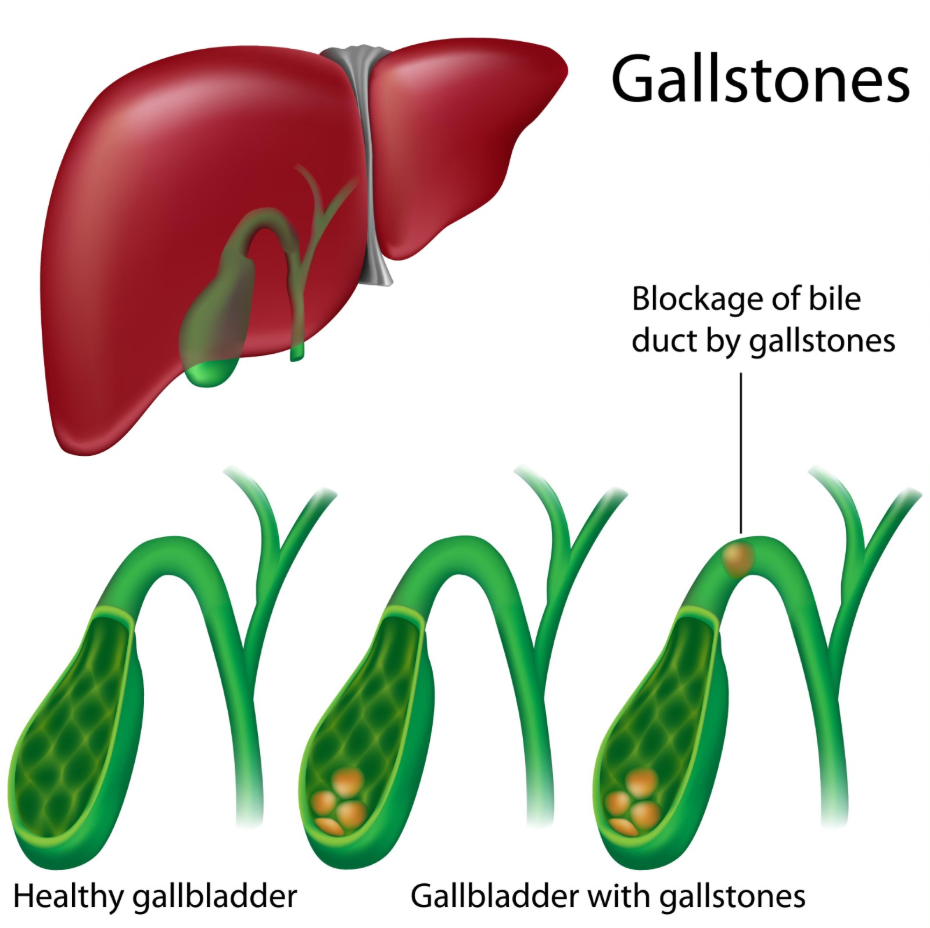
Physical activity directly influences the chemical balance within the biliary system, making the formation of solid stones less likely. A healthy, balanced diet and maintaining a healthy weight through regular exercise are recommended to reduce the risk of gallstones. When you engage in physical activity, your body becomes more efficient at processing fats and regulating insulin levels, both of which are critical for preventing the bile from becoming supersaturated with cholesterol. In the United Kingdom, clinicians recognise that consistent movement is a safe and effective way to lower the likelihood of developing cholesterol-based gallstones, which account for the majority of cases in the adult population.
Enhancing gallbladder motility through movement
Exercise is believed to support the mechanical function of the gallbladder by encouraging it to contract and empty its contents more frequently. When a person is sedentary, the flow of bile can become sluggish, leading to a condition known as stasis. Stagnant bile allows cholesterol crystals more time to cluster together and grow into stones or biliary sludge. By staying active, you support the natural rhythms of the digestive system, ensuring that bile is flushed through the gallbladder and ducts regularly. This prevented stagnation is a vital physiological benefit of exercise that helps keep the gallbladder clear of debris that could eventually lead to blockages or inflammation.
The metabolic benefits of physical activity
Regular exercise has a systemic effect on the body’s lipid profile, often lowering triglycerides and increasing high-density lipoprotein cholesterol. These metabolic changes are protective for the gallbladder because they help maintain the solubility of cholesterol within the bile fluid. According to the National Institute for Health and Care Excellence, weight management and physical activity are key preventative measures for gallbladder disease. By improving the way the liver processes cholesterol before it is secreted into the bile, exercise reduces the raw material available for stone formation. This biological regulation is a primary reason why active individuals in the UK tend to have a lower incidence of symptomatic gallstone disease.
UK guidelines for physical activity and health
The NHS provides clear recommendations for the amount of exercise necessary to maintain optimal health and reduce the risk of chronic conditions, including those affecting the digestive system. According to the NHS, adults should aim for at least 150 minutes of moderate-intensity activity a week or 75 minutes of vigorous-intensity activity. Moderate-intensity activities include brisk walking, water aerobics, or cycling on level ground. These activities are sufficient to stimulate the metabolic benefits required for gallbladder protection. For many people in the UK, reaching these targets involves incorporating simple changes like walking to work or taking up a regular hobby that involves movement, which can significantly impact long-term biliary health.
Exercise as part of a weight management strategy
Maintaining a healthy weight is one of the single most important factors in gallstone prevention, and exercise is a fundamental component of achieving this. Being overweight often leads to the over-secretion of cholesterol by the liver, which is the primary driver of stone formation. Regular physical activity helps to create a calorie deficit and build muscle mass, making it easier to maintain a healthy body mass index. In the UK, patients are advised that weight loss should be gradual, as rapid weight loss can paradoxically trigger gallstone formation. Exercise supports this gradual process, ensuring that the body remains metabolically stable and the gallbladder remains functional during the transition to a healthier weight.
Comparison of Activity Levels and Biliary Impact
| Activity Level | Impact on Gallbladder | Metabolic Benefit |
| Sedentary | High risk of bile stasis | Poor cholesterol regulation |
| Light (e.g. slow walking) | Lowers stasis risk slightly | Minimal metabolic shift |
| Moderate (e.g. brisk walking) | Promotes regular emptying | Improves lipid profile |
| Vigorous (e.g. running) | Optimal for gallbladder motility | Significant cholesterol management |
Practical integration of exercise and biliary health
For individuals looking to protect their gallbladder, the focus should be on consistency rather than intensity. It is more beneficial to engage in moderate activity most days of the week than to perform extremely strenuous exercise only once a week. Combining aerobic exercise with a high-fibre, low-saturated-fat diet provides a multi-layered approach to stone prevention. In the UK, healthcare providers often suggest finding enjoyable activities to ensure that the lifestyle change is sustainable. Whether it is gardening, dancing, or swimming, the key is to avoid long periods of sitting, which can slow down the digestive processes and increase the concentration of bile stored in the gallbladder.
Conclusion
Regular exercise is a vital preventative measure that supports gallbladder health by regulating cholesterol and preventing bile stagnation. Aiming for 150 minutes of moderate activity each week, as recommended by the NHS, helps maintain a healthy weight and improves the mechanical function of the biliary system. Exercise should be combined with a healthy diet for the best results in gallstone prevention. While movement cannot dissolve existing stones, it is essential for reducing the risk of new stones forming and preventing future attacks. If you experience severe, sudden, or worsening symptoms, call 999 immediately.
Can exercise make my existing gallstone pain worse?
Moderate exercise is generally safe, but if you have an active blockage or inflammation, intense movement might cause discomfort; you should listen to your body and rest if pain occurs.
Is walking enough to help my gallbladder?
Yes, brisk walking is considered a moderate-intensity activity and is highly effective at supporting metabolism and gallbladder motility.
Should I stop exercising if I have a gallbladder attack?
During a painful attack, it is best to rest and seek medical advice; once the pain has settled and your doctor confirms it is safe, you can resume gentle movement.
Does exercise help after gallbladder removal?
Yes, regular activity remains important for your overall digestive and metabolic health even after your gallbladder is gone.
Can children prevent gallstones through exercise?
While gallstones are rarer in children, encouraging an active lifestyle helps prevent the childhood obesity that is a risk factor for stone development.
How soon after surgery can I start exercising again?
You should wait until you have recovered and had your post-operative check-up; usually, gentle walking is encouraged early, but vigorous exercise should wait for 4 to 6 weeks.
Will exercise dissolve my gallstones?
No, exercise cannot dissolve stones that have already formed, but it is excellent for preventing new stones from developing.
Authority Snapshot (E-E-A-T Block)
This article was developed by the Medical Content Team to provide clear education on the link between physical activity and gallbladder health. The content has been reviewed by Dr. Rebecca Fernandez, a UK-trained physician with experience in general surgery and emergency medicine, to ensure absolute alignment with NHS and NICE clinical guidance. Our purpose is to help the public understand preventative health measures through factual and restrained reporting.



