




The development of gallstones is often influenced by various factors including diet, weight, and genetics, but the role of certain medications is an important clinical consideration in the United Kingdom. Medications can alter the chemical composition of bile or affect how the gallbladder empties, potentially leading to the formation of solid crystals. The gallbladder stores bile produced by the liver, and this fluid must maintain a precise balance of cholesterol and bile salts to remain liquid. When this balance is disrupted by pharmacological agents, the risk of developing stones or inflammation increases. In the UK, healthcare professionals follow established evidence-based protocols to monitor patients who may be at higher risk due to their prescribed treatments. Understanding the relationship between specific drug classes and biliary health allows patients to engage in informed discussions with their clinical teams. By adhering to the standards set by the NHS and the National Institute for Health and Care Excellence, medical teams ensure that the benefits of a medication are balanced against potential side effects like gallbladder disease.
What We’ll Discuss in This Article
- How hormonal medications influence bile chemistry
- The impact of certain cholesterol-lowering drugs on stone risk
- Why specific antibiotics may contribute to biliary sludge
- The role of somatostatin analogues in gallbladder motility
- Medications used during rapid weight loss and their effects
- How clinicians monitor for gallbladder issues during treatment
- General advice for managing biliary health while taking medication
Certain medications can increase the risk of gallstones by altering the concentration of cholesterol in the bile or by slowing down the rate at which the gallbladder empties
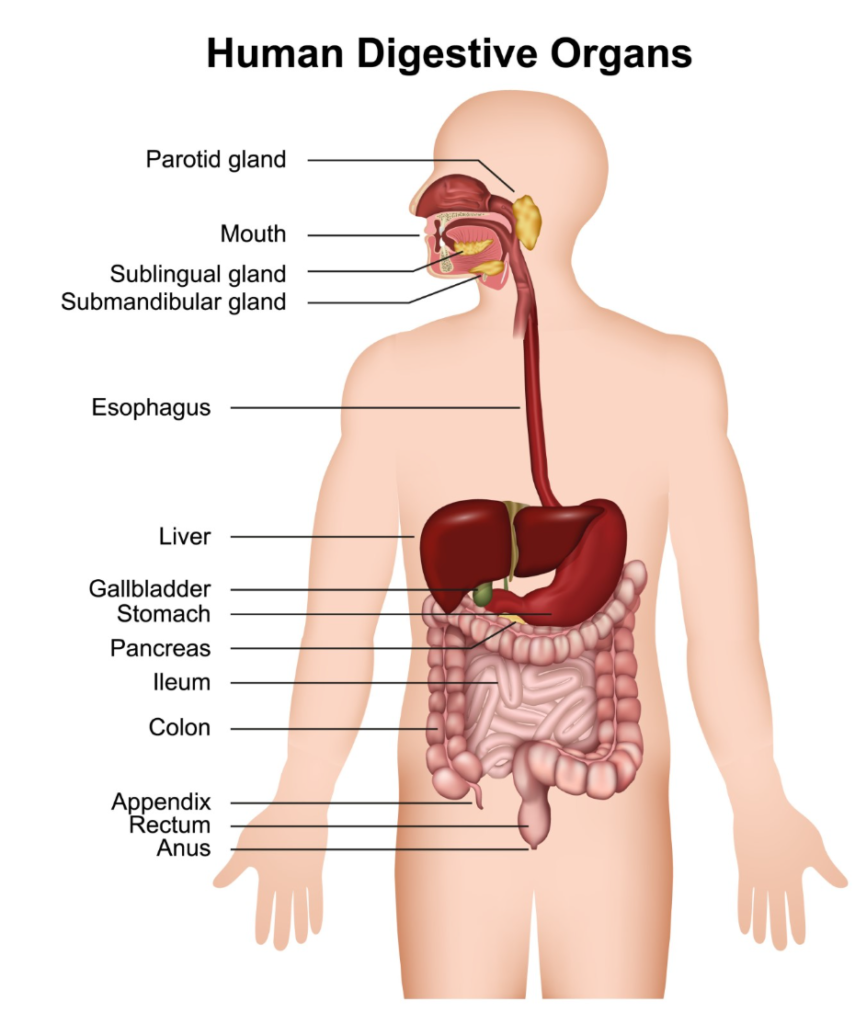
In the United Kingdom, it is recognised that some pharmacological treatments can inadvertently lead to an imbalance in the chemical make-up of bile. Gallstones are thought to be caused by an imbalance in the chemical make-up of bile inside the gallbladder, and certain medicines may increase this risk. For example, medications that increase the amount of cholesterol secreted by the liver into the gallbladder can cause the bile to become supersaturated. When bile is saturated with cholesterol, it can no longer stay in a liquid state and begins to form small crystals. Over time, these crystals cluster together to form gallstones which can lead to pain or complications like cholecystitis.
Hormonal treatments and gallbladder health
Hormonal medications, particularly those containing oestrogen, are among the most common drug-related factors for gallstone development in the UK. Oestrogen is known to increase the amount of cholesterol in the bile and decrease gallbladder contractions, both of which support stone formation. This includes the combined oral contraceptive pill and hormone replacement therapy used to manage menopause symptoms. According to the National Institute for Health and Care Excellence, the use of oestrogen-containing medications is a recognised risk factor for the development of gallstones. Clinical teams often discuss these risks with patients, especially those who may already have other risk factors such as a high body mass index or a family history of gallbladder disease.
The role of cholesterol-lowering fibrates
While many medications for heart health are protective, a specific class of cholesterol-lowering drugs known as fibrates can paradoxically increase the risk of gallstones. Fibrates work by reducing the levels of triglycerides in the blood, but they also increase the amount of cholesterol that the liver excretes into the bile. This extra cholesterol makes the bile more likely to crystallise into stones. In the United Kingdom, doctors monitor patients on fibrates closely for signs of biliary colic. This is often contrasted with statins, which are another common type of cholesterol medication but are generally not associated with an increased risk of gallstone formation.
Antibiotics and the formation of biliary sludge
Specific antibiotics, most notably ceftriaxone, have been linked to the development of what is known as biliary sludge. This occurs because the medication can bind with calcium in the bile to form a thickened, sediment-like substance. While this sludge is not always as solid as a gallstone, it can still cause blockages or inflammation within the gallbladder and bile ducts. In the UK, this is typically a temporary side effect observed during intensive hospital treatment, and the sludge often resolves once the course of antibiotics is completed. However, clinicians remain vigilant for symptoms of gallbladder irritation in patients receiving high-dose intravenous therapy.
Somatostatin analogues and gallbladder motility
Medications used to treat certain hormonal disorders or gastrointestinal conditions, such as somatostatin analogues, can significantly impact gallbladder motility. These drugs inhibit the release of cholecystokinin, the hormone responsible for telling the gallbladder to contract and empty its contents after a meal. When the gallbladder does not empty regularly, the bile remains stagnant for long periods, which allows cholesterol and pigments to settle and form stones. Because of this well-documented effect, patients in the UK undergoing long-term treatment with these medications may be offered regular ultrasound scans to monitor their gallbladder health and check for the presence of new stones.
Comparison of Medication Types and Biliary Impact
| Medication Class | Example Use | Primary Biliary Impact |
| Combined Contraceptives | Birth control | Increases biliary cholesterol |
| Fibrates | Lowering triglycerides | Increases cholesterol excretion |
| Somatostatin Analogues | Hormonal disorders | Reduces gallbladder emptying |
| Certain Antibiotics | Bacterial infections | Potential for biliary sludge |
Monitoring and clinical management in the UK
If a medication is essential for a patient’s health but carries a known risk of gallstones, the NHS focuses on proactive monitoring and symptom education. Cholecystitis is inflammation of the gallbladder, which can be a complication if medications lead to stones that block the gallbladder duct. Patients are encouraged to report any sudden, severe pain in the upper right abdomen or nausea that occurs after eating. If symptoms develop, clinicians may perform blood tests to check liver function or arrange an ultrasound scan. In some cases, the medication may be reviewed or changed, or the patient may be managed with dietary advice to help keep the gallbladder functioning as efficiently as possible during the course of treatment.
Conclusion
Certain medications can increase the risk of gallstones by altering bile chemistry or reducing gallbladder contractions. Hormonal treatments, fibrates, and specific antibiotics are among the agents that require clinical awareness regarding biliary health. Most patients in the UK can take these medications safely, but those with existing risk factors should be monitored for symptoms of gallbladder distress. Following the established clinical pathways of the NHS and NICE ensures that medication-related gallstone risks are managed effectively. If you experience severe, sudden, or worsening symptoms, call 999 immediately.
Should I stop my medication if I am worried about gallstones?
No, you should never stop prescribed medication without consulting your GP or specialist first, as the risks of stopping the treatment may outweigh the risk of gallstones.
Are statins safe for the gallbladder?
Statins are generally considered safe and are not associated with the same increase in gallstone risk as fibrate medications.
Will the contraceptive pill definitely give me gallstones?
No, while it increases the risk, most people using hormonal contraceptives do not develop gallstones.
Can vitamins or supplements cause gallstones?
Most standard vitamins do not cause gallstones, but you should always inform your doctor about any supplements you are taking.
What are the first signs of a problem caused by medication?
The most common sign is biliary colic, which is a sharp, cramping pain in the upper right part of your tummy.
If a medication causes sludge, will it always turn into stones?
Not necessarily; biliary sludge caused by some medications can often disappear once the medication is stopped.
Do weight loss medications increase the risk?
Medications that cause rapid weight loss can increase the risk because the liver releases extra cholesterol during the weight loss process.
Authority Snapshot (E-E-A-T Block)
This article was developed by the Medical Content Team to provide clear education on the link between pharmacological treatments and biliary health. The content has been reviewed by Dr. Rebecca Fernandez, a UK-trained physician with experience in general surgery and emergency medicine, to ensure absolute alignment with NHS and NICE clinical guidance. Our purpose is to help the public understand potential medication side effects through factual and restrained reporting.



