




Constipation is frequently accompanied by various forms of abdominal discomfort, including stomach pain and a sensation of bloating. These secondary symptoms occur as a direct result of how the digestive system handles a buildup of waste and gas when bowel movements are infrequent or difficult to pass. Understanding the relationship between the movement of the gut and these physical sensations can help individuals better manage their symptoms and identify the most appropriate steps for relief.
What We’ll Discuss in This Article
- The physiological link between infrequent bowel movements and abdominal pain.
- Why bloating occurs when waste material remains in the colon for extended periods.
- The different types of discomfort associated with constipation, such as cramping and pressure.
- How lifestyle factors contribute to both constipation and its associated stomach symptoms.
- Clinical indicators that distinguish common discomfort from more serious health concerns.
- NHS recommended approaches for reducing bloating and pain through bowel management.
The Connection Between Constipation and Stomach Pain
Constipation is a primary cause of stomach pain because the accumulation of stool in the colon creates physical pressure and triggers muscular contractions. When the large intestine contains hard or impacted waste, the walls of the bowel are stretched, which sends pain signals to the brain. Furthermore, the gut may increase the intensity of its natural contractions, known as peristalsis, in an attempt to move the blockage. These intensified movements often manifest as cramping or colicky pain that can be felt across different areas of the abdomen. According to the NHS, stomach ache and cramps are common symptoms that occur alongside a lack of regular bowel movements.
Why Bloating Occurs with Constipation
Bloating is a common secondary effect of constipation caused by the accumulation of gas and solid waste within the digestive tract. When stool moves slowly through the colon, bacteria have more time to ferment the undigested food particles, which leads to increased gas production. Because the path for this gas to escape is often partially blocked by slow moving waste, the gas becomes trapped, causing the abdomen to feel tight, stretched, or visibly swollen. This sensation of fullness is often most noticeable after eating, as the digestive system attempts to process new food while the lower tract is still occupied by older waste.
Characteristics of Constipation Related Discomfort
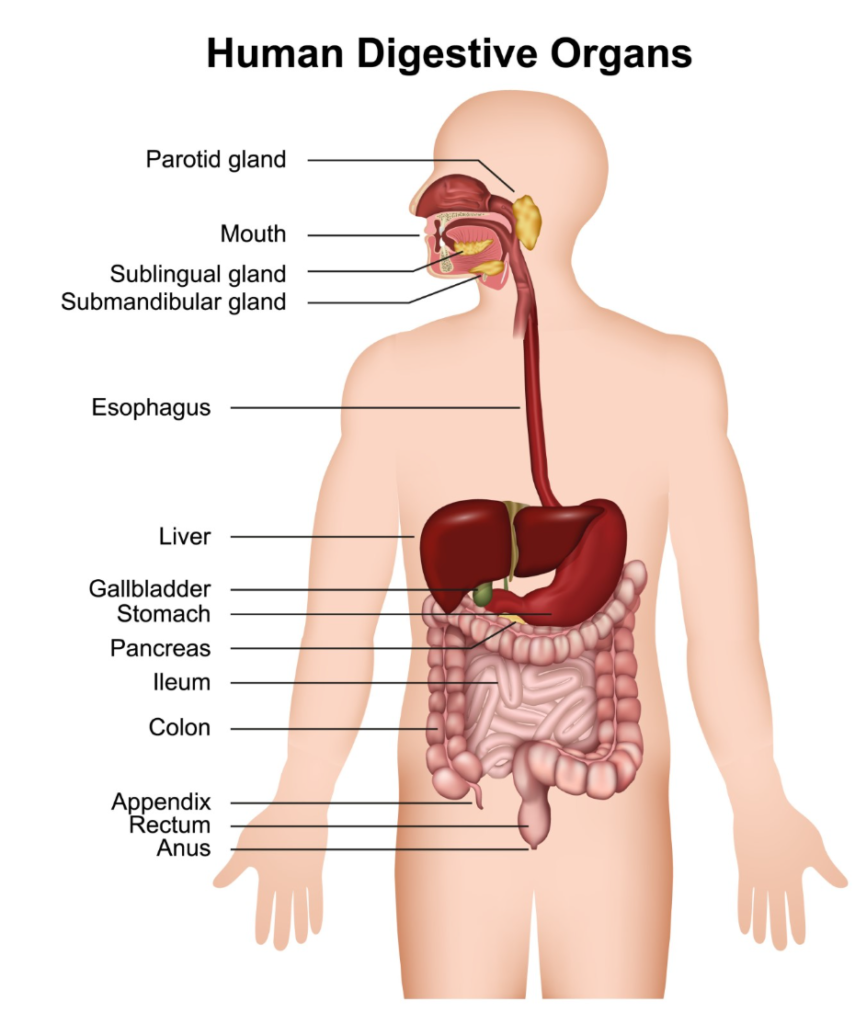
The pain associated with constipation can vary in nature, ranging from a dull, heavy ache to sharp, intermittent cramps. Many people describe a feeling of general abdominal fullness or pressure that is only relieved after a successful bowel movement. In some cases, the pain may be felt lower in the abdomen or even in the lower back, depending on where the waste is concentrated in the colon. The National Institute for Health and Care Excellence notes that abdominal discomfort and bloating are key clinical features used to assess the severity of constipation. Unlike some other forms of gastric distress, this pain is typically directly linked to the frequency and consistency of your stools.
Impact of Diet and Hydration on Pain Levels
Dietary choices and hydration levels play a dual role in both causing constipation and intensifying the resulting stomach pain or bloating. A diet very low in fibre can lead to small, hard stools that are difficult for the gut to push, increasing the likelihood of painful cramping. However, it is also important to note that a sudden, massive increase in fibre without adequate water can temporarily worsen bloating and gas. Proper hydration is essential because water helps fibre to function correctly; without enough fluid, waste becomes dense and static, prolonging the duration of abdominal pressure and discomfort.
Managing Bloating and Discomfort
Reducing the stomach pain and bloating associated with constipation usually requires addressing the underlying transit issue through lifestyle modifications. Increasing physical activity can help stimulate the gut muscles, helping to move both gas and waste more efficiently and reducing the duration of bloating episodes. Establishing a regular routine for bowel movements and ensuring you do not ignore the urge to go can also prevent the buildup of pressure that leads to sharp pains. In some instances, over the counter treatments such as peppermint oil or specific types of laxatives may be suggested by a pharmacist to help manage these symptoms while the digestive system returns to a regular rhythm.
When Abdominal Pain Requires Medical Attention
While mild bloating and cramping are expected with constipation, certain types of abdominal pain warrant a prompt consultation with a healthcare professional. You should seek medical advice if the pain is severe, persistent, or if the bloating is accompanied by a complete inability to pass gas or stool. These can sometimes indicate a more significant blockage that requires professional intervention. NHS guidelines recommend seeing a GP if you have persistent bloating or stomach pain that does not improve with simple dietary changes or pharmacy treatments. Additionally, any pain accompanied by a fever, vomiting, or blood in the stool should be assessed to rule out other causes.
Conclusion
Stomach pain and bloating are direct consequences of the physical and chemical changes that occur when the bowels are not moving regularly. Managing these symptoms is typically achieved by addressing the constipation itself through improved hydration, fibre intake, and activity. Most discomfort is temporary and subsides once regular bowel function is restored. If you experience severe, sudden, or worsening symptoms, call 999 immediately.
Can constipation pain be felt in the upper stomach?
While most constipation pain is lower in the abdomen, the pressure and trapped gas can sometimes cause discomfort or a feeling of fullness in the upper stomach area.
Why does bloating feel worse after I eat?
Eating triggers the gastrocolic reflex, which stimulates the gut to move; if the lower path is blocked by constipation, this stimulation can increase the pressure and bloating sensation.
How can I tell the difference between gas pain and constipation pain?
Gas pain is often sharp and moves around the abdomen, while constipation pain tends to be a more constant dull ache or heavy pressure in the lower regions.
Does exercise help with bloating immediately?
Physical activity helps gas move through the digestive system more quickly, which can provide relatively fast relief from the feeling of being bloated.
Can certain high-fibre foods make bloating worse?
Yes, foods like beans, cabbage, and lentils can increase gas production; it is often better to increase fibre intake gradually to let the gut adapt.
Is it normal to feel nauseous with constipation pain?
Mild nausea can sometimes occur if the abdomen is significantly bloated and full, but persistent vomiting is a symptom that requires medical review.
How long does it take for bloating to go away after a bowel movement?
Many people feel significant relief from bloating immediately after passing a stool, though it may take a few regular movements for the sensation to resolve completely.
Authority Snapshot (E-E-A-T)
This article provides evidence-based educational content regarding the relationship between constipation, stomach pain, and bloating. The information is strictly aligned with the clinical guidelines of the NHS and NICE to ensure accuracy for the general public. All content is reviewed by Dr. Stefan Petrov, a UK-trained physician, to maintain clinical integrity and safety standards.



