




Physical activity is a key factor in maintaining regular bowel movements and overall digestive health. While diet and hydration are often the first areas addressed when experiencing infrequent bowel movements, the level of daily physical movement significantly influences how efficiently waste travels through the digestive tract. Understanding the biological connection between bodily exercise and intestinal function can help individuals implement effective lifestyle changes to manage and prevent the discomfort associated with a sluggish gut.
What We’ll Discuss in This Article
- The physiological link between bodily movement and intestinal contractions.
- How sedentary lifestyles can lead to a decrease in the speed of waste transit.
- Types of gentle exercise that support healthy bowel function.
- The importance of combining physical activity with proper hydration and diet.
- Specific populations who may be more affected by inactivity-related constipation.
- When to seek professional medical advice if increased activity does not resolve symptoms.
The Relationship Between Physical Activity and Digestion
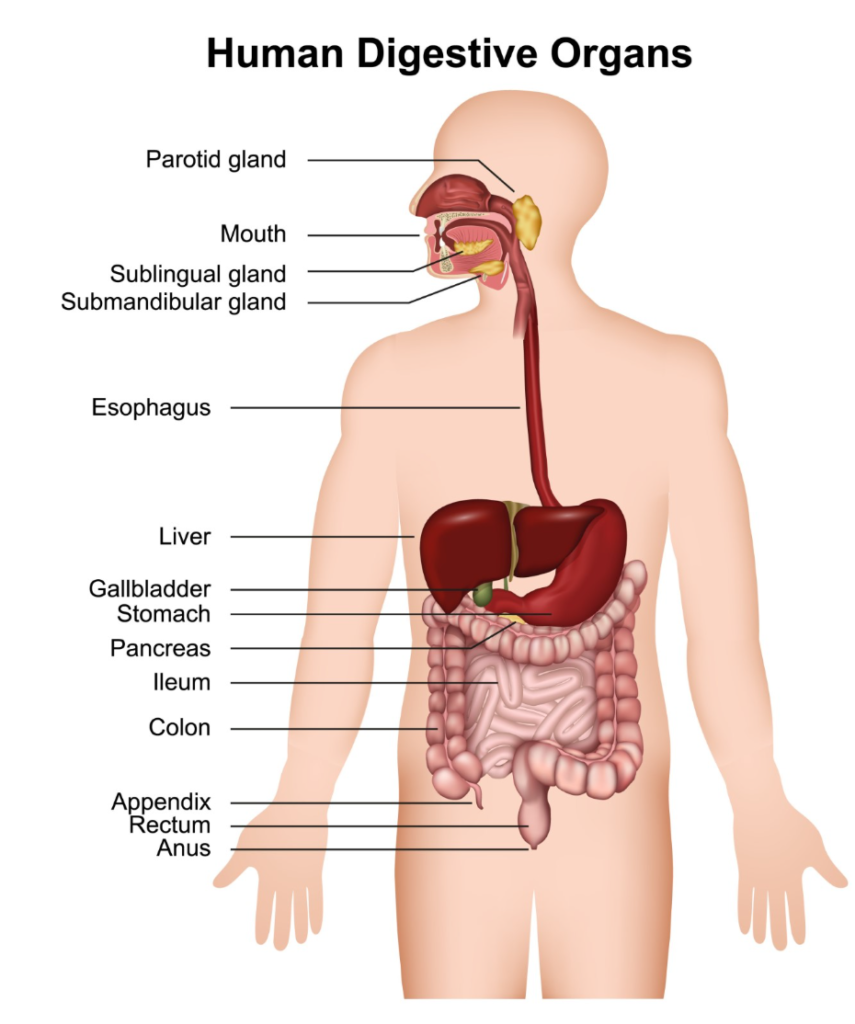
A lack of regular exercise is a known contributing factor to constipation because physical movement helps stimulate the natural contractions of the muscles in your intestines. These rhythmic contractions, known as peristalsis, are responsible for pushing digested food and waste through the colon. When a person is active, the blood flow to the digestive system increases and the abdominal muscles are engaged, which helps to encourage the efficient transit of waste. The NHS highlights that a lack of exercise is a common lifestyle factor that can lead to constipation and recommends keeping active to maintain regular bowel habits.
How Inactivity Affects Gut Transit Time
Sedentary behaviour often results in a slower gut transit time, meaning waste material remains in the large intestine for a longer duration than is ideal. When waste moves too slowly, the colon has more time to reabsorb water from the stool, causing it to become hard, dry, and difficult to pass. This is why individuals who spend long periods sitting at a desk, those with limited mobility, or people recovering from surgery often report an increase in constipation symptoms. Engaging in even light physical activity can help decrease the time it takes for food to move through the large intestine, thereby limiting the amount of water absorbed and keeping the stool softer.
Beneficial Types of Exercise for Bowel Health
You do not necessarily need to engage in high-intensity workouts to see an improvement in your bowel regularity, as gentle and consistent movement is often sufficient to stimulate the gut. Activities such as brisk walking, swimming, or cycling are particularly effective because they involve the whole body and promote healthy circulation. National Institute for Health and Care Excellence guidelines suggest that increasing physical activity is a core component of the initial management of constipation for adults. Stretching exercises and yoga may also be beneficial by helping to relax the pelvic floor muscles and reduce stress, which can indirectly influence gut motility.
The Importance of Consistency and Routine
Establishing a regular exercise routine is more beneficial for long-term bowel health than occasional bursts of intense activity. The body’s digestive system thrives on routine, and consistent daily movement helps to regulate the internal clock that governs bowel movements. Aiming for at least 150 minutes of moderate-intensity activity a week, as recommended by UK health authorities, can provide a steady stimulus for the digestive tract. Integrating short walks after meals can be especially helpful, as this is a time when the body naturally begins the process of moving food through the system.
Balancing Exercise with Other Lifestyle Factors
While exercise is a vital tool for managing constipation, it is most effective when combined with adequate hydration and a high-fibre diet. Physical activity increases the body’s demand for fluids, and if an individual exercises without drinking enough water, the resulting dehydration can actually worsen constipation. Similarly, exercise helps the gut process the bulk provided by dietary fibre; without the stimulus of movement, high-fibre stools may still move slowly. A holistic approach that addresses all three pillars of gut health—fibre, fluids, and fitness—is the most reliable way to achieve and maintain regularity.
Exercise for Specific Life Stages
Certain groups of people may be more susceptible to constipation caused by a lack of movement, such as older adults or pregnant women. As mobility naturally decreases with age, the risk of a sluggish digestive system increases, making gentle movement even more critical for maintaining comfort. During pregnancy, hormonal changes slow down the gut, and physical activity can help counteract this effect while also supporting overall well-being. For those with physical disabilities or chronic health conditions that limit traditional exercise, a physiotherapist can often recommend adapted movements or seated exercises to help stimulate the abdominal area and support bowel function.
When to Consult a Healthcare Professional
If you have increased your daily activity levels and made dietary adjustments but continue to experience persistent constipation, it is important to seek clinical advice. While a lack of exercise is a frequent cause, persistent symptoms may indicate that other factors, such as medication side effects or underlying health conditions, are involved. A pharmacist or GP can review your symptoms and determine if further investigation or medical treatment is required. It is especially important to seek advice if changes in your bowel habits are accompanied by persistent pain or other concerning symptoms that do not resolve with lifestyle changes.
Conclusion
Physical activity plays a fundamental role in supporting the natural movements of the digestive system and preventing the onset of constipation. By reducing gut transit time and encouraging regular intestinal contractions, exercise helps maintain soft, easy-to-pass stools. Combining daily movement with a balanced diet and proper hydration offers the best strategy for long-term bowel health. If you experience severe, sudden, or worsening symptoms, call 999 immediately.
How soon after exercising will I have a bowel movement?
While some people feel the urge to go shortly after a walk or run, for others it may take several days of consistent activity to notice a change in their regularity.
Can too much exercise cause constipation?
Extreme physical exertion can lead to dehydration or a temporary shunting of blood away from the gut, which might slow digestion if you do not replace fluids adequately.
What is the best time of day to exercise for constipation?
Many people find that light exercise in the morning or after a meal is most effective, as this aligns with the body’s natural digestive rhythms.
Does abdominal massage work in the same way as exercise?
Gentle abdominal massage can help stimulate the bowels in a way similar to physical movement and is sometimes used for people with very limited mobility.
Can pelvic floor exercises help with constipation?
Yes, learning to correctly relax and contract the pelvic floor muscles can make it easier to evacuate the bowels once the stool has reached the rectum.
Is walking enough to help with constipation?
Yes, for most people, a daily brisk walk is one of the most effective and accessible ways to stimulate the digestive system and improve regularity.
Can yoga help with bloating and constipation?
Certain yoga poses involve gentle twisting or compression of the abdomen, which can help move gas through the system and encourage bowel activity.
Authority Snapshot (E-E-A-T)
This article provides evidence-based information on the link between exercise and constipation, strictly following the clinical guidelines of the NHS and NICE. The content is produced by a dedicated medical writing team and reviewed by a qualified UK physician to ensure it is factual and safe for the general public. Dr. Stefan Petrov, a UK-trained physician, has verified this content for clinical accuracy and alignment with UK health standards.



