




Constipation is a significant contributing factor in the development of both haemorrhoids and anal fissures due to the increased pressure and strain placed on the rectum and anal canal. When bowel movements are infrequent or stools are hard, the physical effort required to pass them can lead to various complications in the sensitive tissues of the lower digestive tract. Understanding how these conditions develop and the role that regular bowel habits play in their prevention is essential for maintaining long term comfort and digestive health.
What We’ll Discuss in This Article
- The physical link between straining during bowel movements and the development of haemorrhoids.
- How hard stools can cause mechanical damage to the lining of the anal canal, leading to fissures.
- Common symptoms associated with haemorrhoids and anal fissures resulting from constipation.
- The importance of stool consistency in preventing irritation and trauma to rectal tissues.
- Conservative management strategies recommended by UK health authorities for these conditions.
- When to seek professional medical advice for persistent or painful rectal symptoms.
The Relationship Between Constipation and Haemorrhoids
Straining to pass hard stools is the primary mechanism through which constipation causes or worsens haemorrhoids. Haemorrhoids, also known as piles, are swollen blood vessels found inside or around the rectum and anus. When an individual strains during a bowel movement, the increased pressure in the pelvic area causes these vessels to swell and stretch. The NHS explains that constipation and the subsequent straining it causes are among the most common reasons people develop haemorrhoids. Over time, persistent constipation can lead to these vessels remaining permanently enlarged or even protruding from the anus, causing discomfort, itching, or bleeding.
How Hard Stools Lead to Anal Fissures
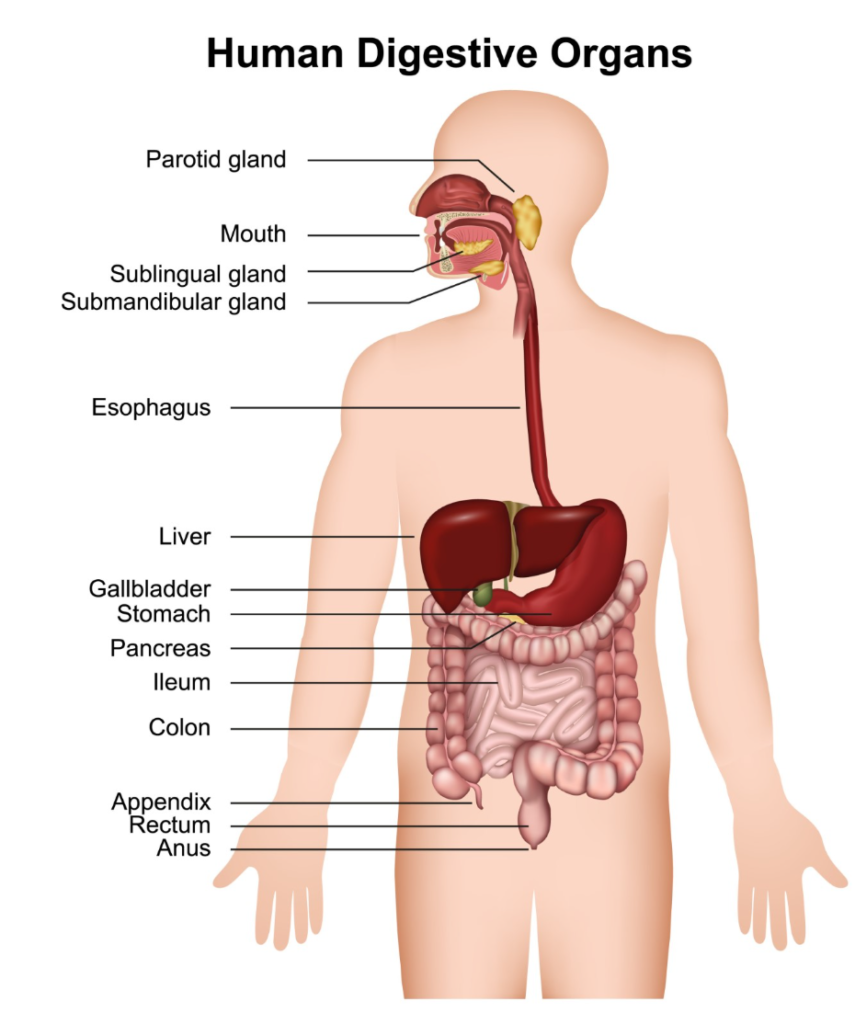
Anal fissures are often caused by the mechanical trauma of passing large or particularly hard stools associated with constipation. An anal fissure is a small tear or crack in the lining of the anal canal which can cause sharp pain and bright red bleeding during and after a bowel movement. Because constipation often results in stools that are dry and lack flexibility, they can overstretch the anal mucosa beyond its capacity, leading to a tear. According to the National Institute for Health and Care Excellence, constipation is a major risk factor for the development of anal fissures in both adults and children. Once a fissure has formed, the pain it causes can sometimes lead to a cycle where the individual avoids going to the toilet, further worsening the constipation.
Comparing Haemorrhoids and Anal Fissures
| Feature | Haemorrhoids (Piles) | Anal Fissures |
| Primary Cause | Pressure and straining | Mechanical tearing of tissue |
| Pain Level | Often a dull ache or itchiness | Usually a sharp, intense pain |
| Bleeding | Often bright red on paper or in water | Bright red streaks on the stool |
| Physical Signs | Lumps or swelling around the anus | A visible small tear in the skin |
| Relationship to Stool | Linked to prolonged sitting and strain | Linked to passing large or hard stools |
The Impact of Stool Consistency on Rectal Health
The consistency of the stool is the most important factor in preventing the tissue damage that leads to haemorrhoids and anal fissures. Stools that are soft and easy to pass do not require significant muscular effort or prolonged periods of sitting on the toilet, both of which reduce the pressure on rectal blood vessels. Maintaining hydration and a high fibre diet ensures that the stool retains enough moisture to remain pliable. When stools are soft, the anal canal can expand naturally without the risk of tearing the delicate lining, allowing the area to heal if a fissure or haemorrhoid is already present.
Lifestyle Management and Prevention
Managing constipation is the first line of defence in treating and preventing these secondary rectal conditions. Increasing dietary fibre gradually and drinking plenty of fluids helps to resolve the hard stools that cause the initial trauma. Engaging in regular physical activity also supports gut motility, reducing the time waste spends in the colon and preventing it from becoming overly dry. NICE clinical summaries suggest that lifestyle modifications aimed at softening the stool are essential for the healing of anal fissures and the reduction of haemorrhoid symptoms. Additionally, avoiding the delay of bowel movements when the urge is felt can prevent the stool from backing up and hardening further.
When to Seek Professional Advice
It is important to consult a healthcare professional if you experience persistent rectal pain, itching, or any form of rectal bleeding. While haemorrhoids and fissures are common and often managed with lifestyle changes or over the counter treatments from a pharmacist, bleeding should always be investigated by a GP to rule out other potential causes. You should seek advice if you notice a lump around the anus that does not go away or if the pain during bowel movements is so severe that it interferes with your daily life. A doctor can provide a formal assessment and recommend suitable treatments, such as stool softeners or topical creams, to aid the healing process.
Conclusion
Constipation is a direct cause of haemorrhoids and anal fissures due to the strain and physical trauma associated with passing hard stools. By focusing on softening the stool through diet, hydration, and exercise, you can significantly reduce the risk of developing these uncomfortable conditions. Most cases will improve once the underlying constipation is effectively managed. If you experience severe, sudden, or worsening symptoms, call 999 immediately.
Can a single episode of constipation cause a fissure?
Yes, passing one particularly large or hard stool can be enough to cause a tear in the anal lining, though it may heal quickly if regular habits are maintained.
Do haemorrhoids always bleed?
Not all haemorrhoids bleed; some may only cause a feeling of fullness, itching, or discomfort without any visible blood.
Is it possible to have both haemorrhoids and a fissure at the same time?
Yes, because both conditions share the same root cause in constipation and straining, it is possible for them to occur simultaneously.
Does sitting on the toilet for a long time make haemorrhoids worse?
Yes, sitting for long periods increases the pressure on the vessels in the anal canal, which is why it is recommended to only use the toilet when you feel the urge.
How long does it take for a fissure to heal?
With proper stool softening and management, many fissures heal within a few weeks, but they can become chronic if constipation persists.
Can children get haemorrhoids or fissures from constipation?
Anal fissures are quite common in children who experience constipation, though haemorrhoids are less frequent in younger populations than in adults.
Will drinking more water help my haemorrhoids go away?
Increased hydration helps soften the stool, which reduces the straining required and allows existing haemorrhoids the chance to shrink and heal.
Authority Snapshot (E-E-A-T)
This article provides educational information on the link between constipation and rectal health in strict alignment with NHS and NICE clinical guidelines. The content is developed by a professional medical content team and reviewed by Dr. Stefan Petrov, a UK-trained physician, to ensure clinical accuracy and patient safety. The purpose of this guide is to support the general public in understanding common digestive complications without providing personal diagnosis.



