




Constipation is a frequent issue in childhood, often occurring during key developmental milestones such as the introduction of solid foods, potty training, or starting school. While it can cause significant discomfort for the child and concern for the parents, most cases can be managed effectively with consistent changes to diet, fluid intake, and toilet routines. Understanding the signs of constipation in younger children and implementing evidence-based strategies early can help prevent the condition from becoming a long-term problem and support healthy digestive development.
What We’ll Discuss in This Article
- Common signs and symptoms that indicate a child or toddler is constipated.
- Dietary adjustments, including the role of fibre and fruit in softening stools.
- The importance of hydration and encouraging regular fluid intake throughout the day.
- Establishing a positive and consistent toilet routine to support bowel regularity.
- How to recognise when a child is “withholding” or avoiding using the toilet.
- When to seek professional medical advice from a health visitor, pharmacist, or GP.
Recognising Constipation in Children
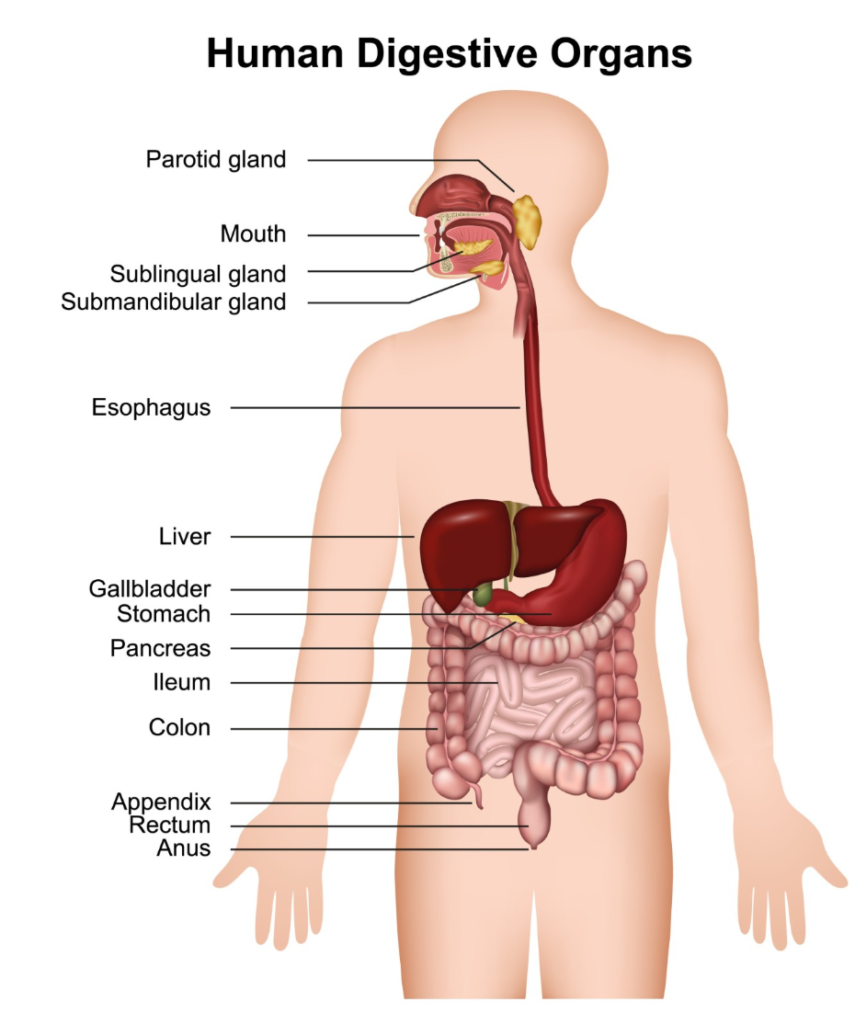
Identifying constipation in children involves looking for changes in their bowel frequency, stool consistency, and general behaviour during toilet time. A child may be constipated if they have fewer than three bowel movements a week, if their stools are large and hard, or if they appear like small pellets. According to the NHS, other signs include the child being unusually strained or in pain while passing a stool, or having foul-smelling wind and stools. In some toddlers, you might notice “overflow” soiling, where very soft or liquid stool leaks into their pants; this happens when liquid waste bypasses a larger, hard mass of stool stuck in the rectum and should not be confused with diarrhoea.
Dietary Adjustments for Regularity
Improving a child’s diet is often the first step in resolving constipation, focusing on increasing the intake of natural fibre. Fibre adds bulk to the waste and helps it move more easily through the intestines. High-fibre options suitable for children include wholemeal bread, fortified breakfast cereals with high fibre content, beans, lentils, and a wide variety of fruits and vegetables. Specific fruits such as apples with the skin on, pears, and berries are particularly useful. For many toddlers, introducing small amounts of prune juice or pureed plums can provide a natural and gentle laxative effect due to their sorbitol content.
The Role of Hydration
Ensuring a child drinks enough fluids is essential, especially when increasing their fibre intake, as fibre requires water to function correctly in the gut. Water is the best choice for children and should be offered frequently throughout the day, particularly during and between meals. While milk is an important part of a toddler’s diet, excessive consumption of cow’s milk can sometimes contribute to constipation in some children if it replaces water and fibre-rich foods. The National Institute for Health and Care Excellence recommends that children with constipation should be encouraged to drink plenty of water and maintain a balanced diet as a primary management strategy.
Establishing a Toilet Routine
A consistent and relaxed toilet routine can help a child feel more comfortable and reduce the likelihood of them avoiding bowel movements. Encourage your child to sit on the potty or toilet for a few minutes about 20 to 30 minutes after meals, particularly after breakfast, when the body’s natural urge to go is strongest. It is important to make this time stress-free; providing a footstool can help the child feel secure and place their body in a better physical position for passing stool. Positive reinforcement and praise for sitting on the toilet, regardless of whether they produce a stool, can help build confidence and prevent the child from developing a fear of the process.
Understanding and Managing Withholding
Many toddlers begin “withholding” stool if they have previously experienced a painful bowel movement, creating a cycle that makes constipation worse. If a child finds passing a stool painful, they may instinctively tighten their pelvic floor muscles and buttocks to stop the movement. This leads to the stool remaining in the colon longer, where it becomes even harder and larger. Recognising “dancing” behaviours, hiding in a corner, or turning red while standing still can be signs that a child is trying to hold back a movement. Addressing the pain through diet and, if necessary, medical treatment is vital to breaking this cycle and helping the child feel safe using the toilet again.
When to Seek Medical Advice
You should consult a healthcare professional if your child’s constipation does not improve with simple dietary changes or if they are in significant distress. NICE clinical guidelines state that children with persistent constipation may require a clinical assessment to determine if they need laxative treatment to clear the bowel and restore a regular rhythm. A pharmacist can offer advice on suitable over-the-counter options, but for chronic issues or if you notice blood in the child’s stool, you should see a GP. Early intervention is important because long-term constipation in children can lead to the bowel becoming stretched and less sensitive, making the problem harder to resolve later on.
Conclusion
Helping a constipated child involves a combination of increasing fibre, ensuring plenty of water, and creating a supportive toilet routine. Most cases are temporary and respond well to these lifestyle adjustments, especially when caught early. By making the process positive and consistent, you can help your child develop healthy habits for life. If your child experiences severe, sudden, or worsening symptoms, call 999 immediately.
Is it normal for a breastfed baby to be constipated?
Constipation is very rare in exclusively breastfed babies; if a baby is having fewer movements, the stool should still be soft. If it is hard, seek advice from a health visitor.
Can starting potty training cause constipation?
Yes, the transition to potty training can sometimes lead to children holding in their stools if they feel anxious or pressured, which can lead to constipation.
How much fruit juice should I give my toddler for constipation?
Small amounts of diluted fruit juice, such as apple or pear juice, can help, but water should remain the main source of hydration.
Are laxatives safe for toddlers?
Laxatives should only be given to toddlers and children under the guidance of a GP, health visitor, or pharmacist to ensure the correct type and dose are used..
Can a lack of exercise make a child constipated?
Physical activity helps stimulate the bowels, so encouraging active play and time away from screens can support a child’s digestive health.
How long does it take for dietary changes to work in children?
It can take several days of consistent dietary changes to see an improvement in a child’s stool consistency and frequency.
Should I use a reward chart for toilet training?
Many parents find that reward charts for simply sitting on the toilet can be helpful, provided the focus is on the effort rather than the result.
Authority Snapshot (E-E-A-T)
This guidance is produced by a professional medical content team and is strictly aligned with the clinical standards of the NHS and NICE. The information is designed to provide parents and caregivers with safe, factual, and evidence-based education on managing childhood constipation. All content has been reviewed by Dr. Stefan Petrov, a UK-trained physician, to ensure clinical accuracy and adherence to UK health protocols for paediatric care.



