




Diarrhoea is an exceptionally common condition in adults that often occurs when the digestive system is disrupted by infection, dietary irritation, or underlying health factors. While most episodes are short lived and resolve without specific medical intervention, understanding the various triggers is essential for effective management and the prevention of dehydration. By identifying the likely cause of a change in bowel habits, individuals can better manage their recovery at home and recognise when it is appropriate to seek professional medical advice to ensure their long-term digestive health.
What We’ll Discuss in This Article
- The role of viral and bacterial infections in causing acute diarrhoea.
- How food poisoning and contaminated water impact the digestive tract.
- Common dietary triggers, including food intolerances and sensitivities.
- The impact of specific medications and their side effects on bowel frequency.
- Psychological factors and how stress can influence gut motility.
- Long term conditions that may lead to persistent or recurring diarrhoea.
Infections and Gastroenteritis
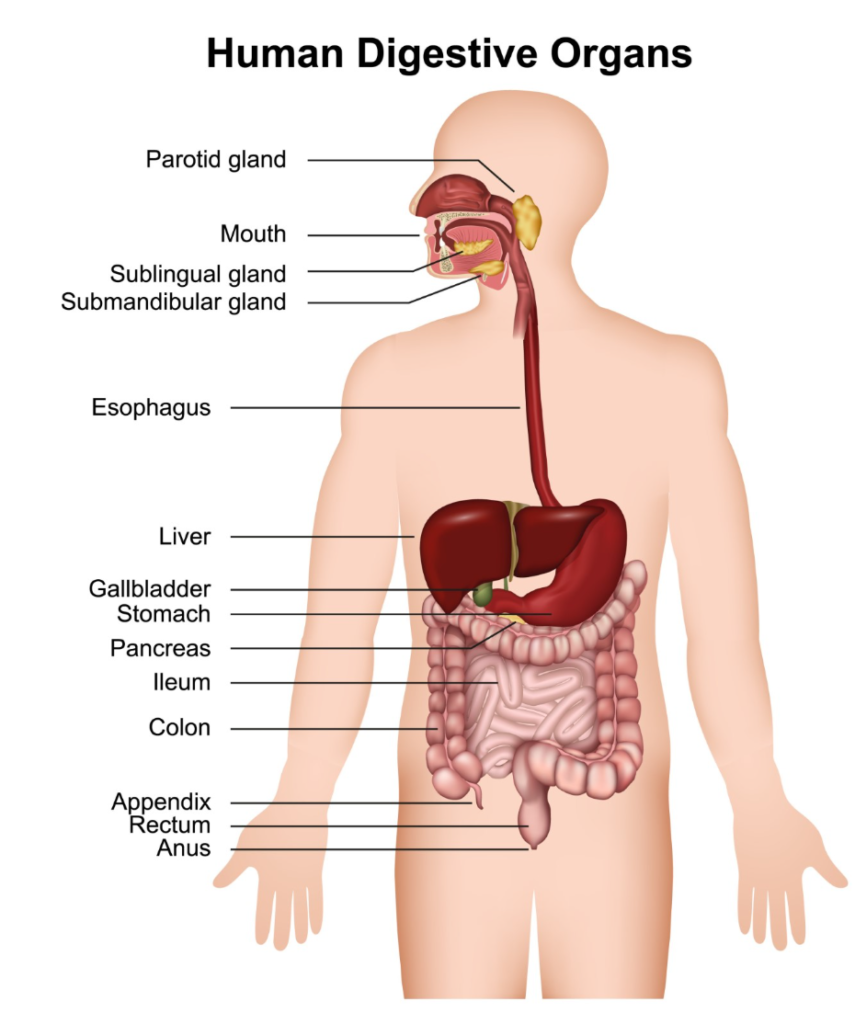
Infections are the most frequent cause of sudden onset diarrhoea in adults, often resulting from viruses, bacteria, or parasites that irritate the lining of the gut. Viral gastroenteritis, frequently caused by norovirus or rotavirus, is highly contagious and often spreads in households or communal settings. Bacterial infections, such as those caused by Campylobacter, Salmonella, or Escherichia coli (E. coli), are typically acquired through contaminated food or water. The NHS states that most cases of diarrhoea in adults are caused by an infection of the gut, which often clears up on its own within a few days. These infections cause the intestines to secrete excess fluid and move waste more rapidly, leading to the characteristic loose or watery stools.
Food Poisoning and Contamination
Food poisoning occurs when an individual consumes food that has been contaminated with harmful germs or toxins produced by bacteria. This can happen due to improper cooking, inadequate storage, or poor hygiene during food preparation. Common sources include undercooked meat, unpasteurised dairy products, or ready to eat foods that have been handled by someone who is already unwell. The onset of symptoms can be rapid, occurring within hours of consumption, or may take several days depending on the specific pathogen involved. In most instances, the diarrhoea serves as a protective mechanism for the body to expel the offending toxins or microbes.
Dietary Triggers and Intolerances
Certain foods and drinks can trigger diarrhoea in adults who have sensitivities or difficulties digesting specific ingredients. Lactose intolerance, where the body lacks the enzyme needed to break down the sugar in milk and dairy products, is a very common cause of bloating and loose stools. Fructose, a sugar found in fruits and honey, or artificial sweeteners like sorbitol found in sugar free gum, can also have an osmotic effect, drawing water into the bowel and causing diarrhoea. According to the National Institute for Health and Care Excellence, dietary factors and intolerances are significant considerations when assessing non infectious causes of bowel habit changes.
Medication Side Effects
Several types of medication can disrupt the natural balance of the gut and lead to diarrhoea as a side effect. Antibiotics are a frequent cause because they can disturb the healthy bacteria in the intestine, allowing less beneficial bacteria to proliferate. Other medications known to potentially cause loose stools include some antacids containing magnesium, certain blood pressure treatments, and non-steroidal anti-inflammatory drugs like ibuprofen. In most cases, these symptoms are temporary and resolve once the course of medication is finished, but it is important to discuss persistent side effects with a pharmacist or GP.
Stress and Emotional Factors
The digestive system is closely linked to the nervous system, and significant emotional stress or anxiety can directly influence how quickly food moves through the gut. During periods of high stress, the body’s “fight or flight” response can trigger increased intestinal contractions, leading to a sudden need for the toilet and loose stools. This is a functional response rather than an infection, but it can be distressing and may exacerbate other digestive issues. Managing stress levels and identifying psychological triggers can often help in reducing the frequency of stress induced diarrhoea episodes.
Long Term Health Conditions
Persistent or recurring diarrhoea may be a symptom of a long-term health condition that requires professional management. Irritable Bowel Syndrome (IBS) is a common functional disorder that can cause alternating bouts of constipation and diarrhoea, often accompanied by abdominal pain. Inflammatory Bowel Diseases, such as Crohn’s disease or ulcerative colitis, involve chronic inflammation of the digestive tract and require specific clinical investigation. Additionally, coeliac disease, an adverse reaction to gluten, can cause long term digestive issues including diarrhoea. If loose stools persist for more than a few weeks, it is important to seek a medical assessment to rule out these underlying conditions.
Conclusion
Diarrhoea in adults is most commonly caused by short term infections or dietary triggers that resolve with rest and hydration. While viral and bacterial gastroenteritis are the primary culprits, medications and emotional stress also play a significant role in digestive health. Understanding these common causes helps in managing symptoms effectively at home. If you experience severe, sudden, or worsening symptoms, call 999 immediately.
How long does diarrhoea from food poisoning usually last?
Most cases of food poisoning resolve within forty eight hours, although some bacterial infections can cause symptoms for up to a week.
Can drinking too much coffee cause diarrhoea?
Caffeine is a stimulant that can increase gut motility and, in some individuals, lead to loose stools if consumed in large quantities..
Is it normal to have diarrhoea when starting new medication?
Many medications can cause temporary digestive changes; you should check the patient information leaflet or speak to a pharmacist for guidance.
Can a change in diet cause sudden diarrhoea?
Yes, a sudden increase in fibre or consuming large amounts of certain fruits can temporarily overwhelm the gut and cause loose stools.
Does alcohol cause diarrhoea?
Alcohol can irritate the digestive tract and affect how the body absorbs water, which frequently results in loose stools the following day.
Is diarrhoea always a sign of infection?
No, while infection is common, diarrhoea can also be caused by food intolerances, stress, medications, or long term health conditions.
When should I worry about diarrhoea after travelling abroad?
If you develop diarrhoea after returning from abroad, especially if it is persistent or contains blood, you should consult a GP to check for specific infections.
Authority Snapshot (E-E-A-T)
This article provides evidence-based education on the causes of diarrhoea in adults, strictly aligned with NHS and NICE clinical guidelines. The content is developed by a professional medical writing team to ensure accuracy and patient safety. All health information has been reviewed by Dr. Stefan Petrov, a UK trained physician, to verify its adherence to current UK medical standards and protocols.



