




Several lifestyle choices and daily habits can significantly influence the health of the anal canal and the vascular structures within the rectum. While some factors are related to temporary physiological states, many risk factors involve long-term dietary patterns, physical exertion, and toilet routines that affect bowel regularity and pelvic pressure. Addressing these factors is a cornerstone of maintaining rectal comfort and preventing the development of painful anal conditions. By understanding how certain behaviours contribute to the mechanical stress on the anal lining and the engorgement of rectal veins, individuals can make informed adjustments to support their overall digestive well being.
What We’ll Discuss in This Article
- The impact of dietary fibre and hydration on stool consistency
- The relationship between prolonged toilet sitting and venous pressure
- How physical activity levels and heavy lifting contribute to risks
- The role of bowel regularity and the consequences of straining
- Pregnancy as a temporary lifestyle and physiological risk factor
- Body weight and its influence on pelvic floor pressure
- The impact of aggressive hygiene practices on anal skin integrity
Dietary Patterns and Fluid Intake
A diet low in fibre combined with inadequate fluid intake is the most significant lifestyle contributor to the development of both anal fissures and haemorrhoids. Fibre is essential for maintaining bowel health as it adds bulk to the waste material and helps it move efficiently through the digestive tract. Fibre adds bulk to the stool and helps it pass through the bowel more easily, which reduces the need for straining. When an individual consumes a diet heavy in processed foods, refined sugars, and low amounts of plant based materials, the stools often become hard, dry, and difficult to pass.
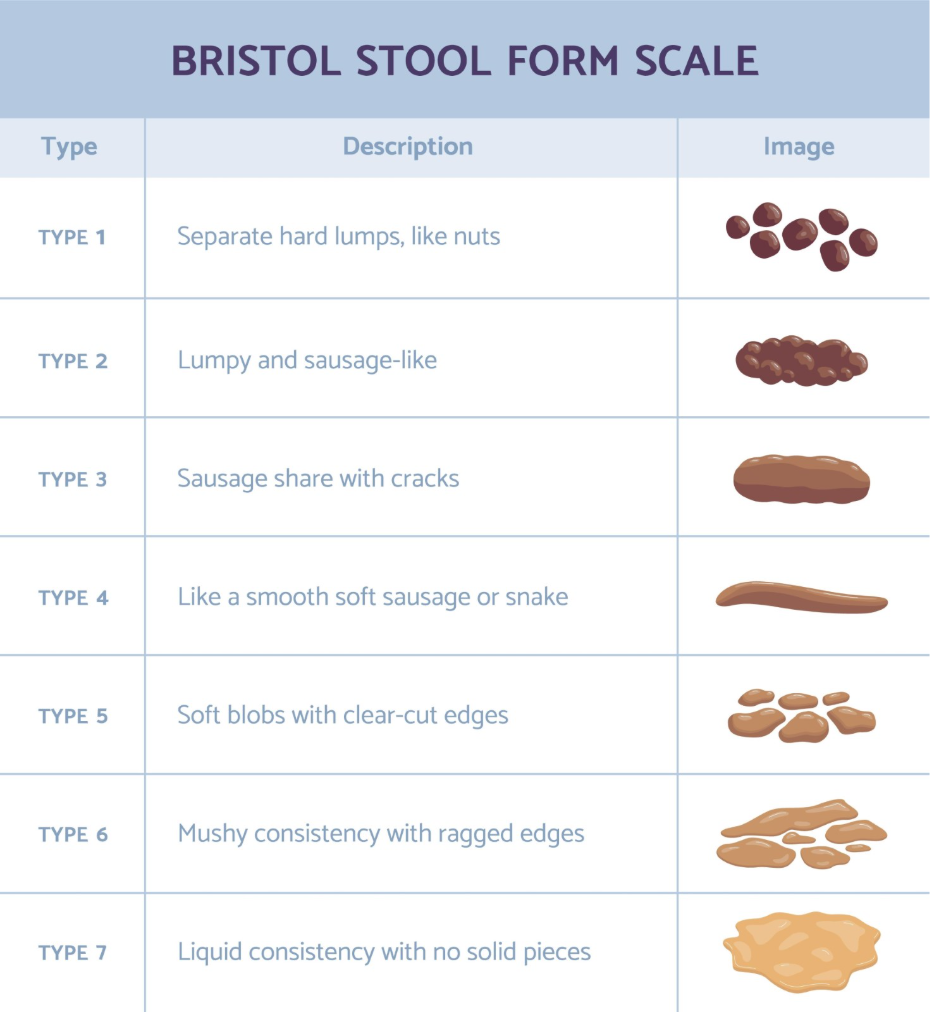
Inadequate hydration further compounds this issue. Water is required for fibre to function correctly; without it, fibre can actually make constipation worse by creating stools that are too bulky and dry. When stools are hard, they require more effort to expel, leading to the straining that causes haemorrhoidal veins to swell and the anal lining to tear. Most adults in the United Kingdom are encouraged to aim for at least 30g of fibre a day and drink 6 to 8 glasses of water to maintain an optimal stool consistency that does not cause mechanical trauma to the anal canal.
Toilet Habits and Prolonged Sitting
Spending excessive time sitting on the toilet or straining to pass a stool increases the pressure on the veins in the rectum and the tissues of the anal canal. The design of the modern toilet, while convenient, can lead to a posture that makes bowel movements less efficient. When a person sits for long periods, often while distracted by books or mobile devices, the pelvic floor remains in a relaxed but pressurised state. This causes the vascular cushions in the rectum to engorge with blood. Piles are swollen veins in the anus and lower rectum, often caused by straining during bowel movements or sitting for long periods on the toilet.
Furthermore, ignoring the natural urge to go to the toilet is a habit that can lead to harder stools. When the urge is suppressed, the stool remains in the colon for longer, where more water is reabsorbed. This leads to a larger, harder stool that is more likely to cause a fissure or trigger haemorrhoids when eventually passed. Adopting a more natural squatting position, perhaps by using a footstool to elevate the knees, and responding promptly to the body’s signals are important lifestyle adjustments for reducing rectal pressure.
Physical Activity and Heavy Lifting
Both a sedentary lifestyle and intense physical exertion involving heavy lifting can influence the health of the pelvic region and the risk of anal conditions. Regular physical activity supports the natural rhythmic contractions of the intestines, known as peristalsis, which moves waste through the system. A sedentary lifestyle can lead to sluggish bowel movements and chronic constipation, which are primary triggers for anal tears and swollen veins.
Conversely, certain types of intense physical activity can increase the risk if performed incorrectly. Lifting heavy objects, whether at work or in the gym, often involves a natural tendency to hold the breath and push down, a process known as the Valsalva manoeuvre. This spikes the intra-abdominal pressure, which is transferred directly to the pelvic floor and the rectal veins. The National Institute for Health and Care Excellence highlights that avoiding straining and maintaining a healthy weight are key preventative measures for anal conditions. Learning proper breathing techniques during exertion and maintaining a moderate, consistent level of activity can help balance these risks.
Pregnancy and Hormonal Changes
Pregnancy represents a unique physiological and lifestyle period where increased pelvic pressure and hormonal shifts significantly elevate the risk of developing anal issues. During pregnancy, the body produces higher levels of the hormone progesterone, which relaxes the smooth muscles of the digestive tract. While this is necessary for the body to accommodate the growing foetus, it often leads to slower digestion and constipation.
As the pregnancy progresses, the increasing physical weight of the uterus puts direct, constant pressure on the inferior vena cava and the rectal veins. This congestion makes the veins more likely to swell into haemorrhoids. Additionally, the physical strain of childbirth itself can cause acute trauma to the anal canal, leading to the formation of fissures. While pregnancy is a temporary state, the lifestyle focus during this time often shifts toward high fibre nutrition and pelvic floor support to manage these heightened risks.
Body Weight and Pelvic Pressure
Carrying excess body weight can put additional, constant pressure on the pelvic floor and the vascular cushions in the anal canal. This increased mechanical load can cause the connective tissues that support the rectal veins to weaken over time. When these tissues lose their integrity, the veins are more likely to prolapse or swell under the pressure of a normal bowel movement.
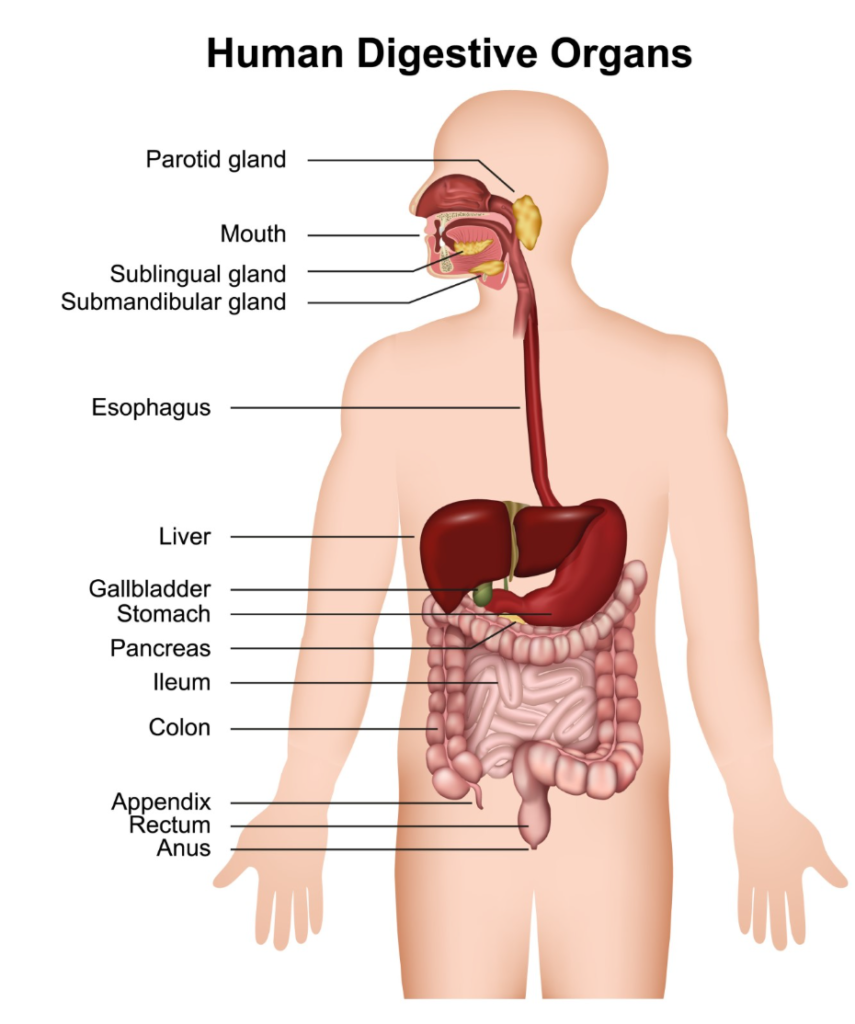
Obesity is also frequently associated with dietary patterns that are low in fibre and high in inflammatory foods, which can affect the health of the mucosal lining. Maintaining a weight within the healthy range for one’s height and age helps to reduce the structural stress on the rectal area. Regular exercise combined with a balanced diet not only supports weight management but also ensures that the pelvic muscles remain strong and the digestive system remains regular.
Impact of Aggressive Hygiene Practices
Excessive or aggressive anal hygiene practices are a lifestyle factor that can compromise the integrity of the anal skin, making fissures more likely to occur. The anal canal is lined with a delicate mucosal tissue that is easily irritated by chemicals or mechanical friction. Using dry, rough toilet paper or wiping too vigorously can cause micro-traumas in the skin.
Furthermore, the frequent use of scented soaps, alcohol based wet wipes, or chemical detergents can strip away the natural protective oils of the perianal skin. This leads to dryness and a loss of elasticity, making the tissue more prone to cracking or splitting when it is stretched during a bowel movement. Transitioning to gentler hygiene habits, such as using plain water or a bidet and patting the area dry gently, can protect the skin’s barrier function and reduce the risk of acute tears.
Conclusion
Lifestyle factors such as dietary choices, hydration, and toilet habits are the primary influences on the risk of developing anal fissures and haemorrhoids. Maintaining a high fibre diet and drinking plenty of water ensures that stools pass easily without causing mechanical trauma or venous engorgement. Additionally, being mindful of physical activity levels and adopting gentle hygiene practices can protect the delicate tissues of the anal canal. Making these consistent adjustments to daily routines provides the best protection against these common rectal conditions. If you experience severe, sudden, or worsening symptoms, call 999 immediately.
Can drinking more water really prevent haemorrhoids?
Yes, staying hydrated ensures that the fibre in your diet can keep stools soft and easy to pass, which prevents the straining that causes haemorrhoids.
Does spicy food cause anal fissures?
Spicy food does not cause the physical tear, but it can cause significant stinging and irritation to an existing fissure during a bowel movement.
Is it safe to use wet wipes every day?
Most clinicians recommend using plain water or fragrance free, alcohol free wipes, as chemicals in standard wipes can dry out and irritate the anal lining.
Why does sitting on the toilet too long cause piles?
The seated position allows the pelvic floor to relax while gravity and internal pressure cause the veins in the rectum to fill with more blood than usual.
Can heavy lifting at the gym lead to a fissure?
Heavy lifting can cause a fissure if it involves significant straining and “bearing down” which puts excessive pressure on the anal canal.
How much fibre should I aim for each day?
In the United Kingdom, adults are encouraged to aim for at least 30g of fibre daily from a variety of plant based sources.
Does weight loss help reduce the risk of rectal issues?
Weight loss can reduce the constant pressure on the pelvic floor and rectal veins, which may lower the likelihood of developing haemorrhoids.
Authority Snapshot (E-E-A-T)
This medical education content provides accurate, evidence based information regarding the lifestyle risk factors for anal conditions for the UK public. The material is developed by a professional medical writing team and reviewed by Dr. Stefan Petrov, a UK trained physician with experience in general surgery, emergency care, and clinical education. All information provided is strictly aligned with the clinical standards and diagnostic pathways provided by the NHS and the National Institute for Health and Care Excellence (NICE).



