While experiencing a single urinary tract infection (UTI) is exceptionally common, particularly among women, having infections that keep coming back is categorized as ‘recurrent UTIs’. Although they are frequent in clinical practice, they are not considered a ‘normal’ state of health that should be ignored. Recurrent infections often require a more detailed investigation to identify underlying triggers or structural issues within the urinary system.
What We will cover in this Article
- The clinical definition of a recurrent urinary tract infection
- How common recurrence is within the UK population
- Common biological and lifestyle triggers for repeat infections
- The difference between a ‘relapse’ and a ‘re-infection’
- Management strategies and when a specialist referral is needed
- A comparison table of acute versus recurrent infection patterns
Defining Recurrent UTIs
In the UK, medical professionals define recurrent UTIs based on the frequency of episodes within a specific timeframe. It is generally defined as having two or more symptomatic infections within six months, or three or more infections within a single year. These must be confirmed by clinical symptoms and, ideally, laboratory urine cultures to ensure the same or different bacteria are responsible.
While a one-off infection is often a simple matter of bacteria entering the urethra, recurrence suggests that there may be a factor allowing bacteria to persist or re-enter the system more easily. This can range from lifestyle habits to anatomical variations that make the bladder more susceptible to colonisation.
- Re-infection: The most common type, where a new infection occurs from a different strain or source of bacteria after the previous one was cleared.
- Relapse: When the original infection was never fully cleared, and the same bacteria multiply again shortly after treatment ends.
Causes and Common Triggers
Recurrence is rarely down to one single factor. Instead, it is often a combination of biological susceptibility and external triggers. In women, the most common period for recurrence is either during the years of peak sexual activity or following menopause.
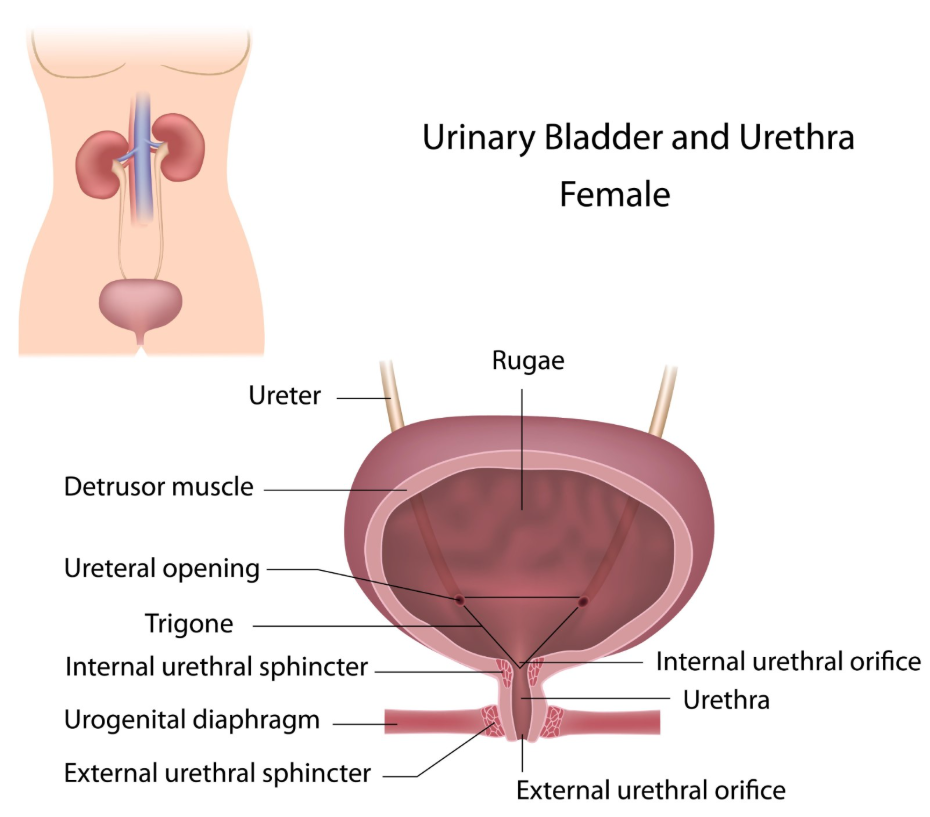
One significant factor is the ‘vaginal microbiome’. In healthy individuals, protective bacteria (Lactobacilli) keep harmful bacteria like E. coli at bay. If this balance is disrupted by antibiotics, certain contraceptives, or hormonal changes it becomes much easier for UTI-causing bacteria to migrate into the bladder.
- Hormonal Changes: Reduced oestrogen after menopause thins the lining of the urinary tract.
- Sexual Intercourse: Physical friction can introduce bacteria into the shorter female urethra.
- Contraception: Use of spermicides or diaphragms can alter the protective bacterial flora.
- Urinary Stasis: Not emptying the bladder fully due to an enlarged prostate (in men) or a prolapse (in women).
- Kidney Stones: Bacteria can ‘hide’ on the surface of stones, making them hard to clear with standard antibiotics.
Management and Clinical Investigation
If you are experiencing recurrent UTIs, the management approach shifts from simply treating the acute infection to preventing the next one. In the UK, GPs follow specific pathways for patients with repeat infections. This may involve a trial of lifestyle changes, such as ‘double voiding’ or ensuring high fluid intake, before moving to pharmacological options.
For some, a low dose ‘prophylactic’ antibiotic taken daily or after sexual intercourse may be recommended for a period of six months. However, due to the risk of antibiotic resistance, this is carefully monitored. If simple measures fail, a referral to a urologist or a urogynaecologist may be necessary to rule out structural issues using an ultrasound or a cystoscopy (a camera view of the bladder).
Comparison: Acute vs. Recurrent UTI Patterns
| Feature | Acute (One-off) UTI | Recurrent UTI |
| Frequency | Once in a long period | 2 in 6 months / 3 in a year |
| Investigation | Usually none needed | Urine culture and possible scans |
| Treatment | 3-day course of antibiotics | Longer-term prevention strategy |
| Underlying Cause | Likely accidental entry | Likely anatomical or lifestyle factor |
| Risk of Resistance | Low | Higher due to repeated treatments |
To Summarise
While UTIs are a frequent health complaint, recurrent infections are not something you should simply ‘live with’. They are medically defined as having multiple infections within a year and often point toward specific triggers that can be managed. Through a combination of lifestyle adjustments, hormonal support, or preventative medication, the frequency of these infections can be significantly reduced.
If you experience severe, sudden, or worsening symptoms, such as high fever, uncontrollable vomiting, or intense pain in your side or back, call 999 immediately.
Is it normal to have a UTI every few months?
While it happens to many people, it is clinically classified as ‘recurrent’ and warrants a discussion with a healthcare professional to find the cause.
Can my diet cause recurrent UTIs?
Dietary factors like high sugar intake or chronic constipation can contribute, but they are rarely the sole cause of recurrence.
Does drinking cranberry juice help with recurrence?
Some studies suggest certain compounds in cranberries may prevent bacteria from sticking to the bladder wall, but it is not a substitute for medical treatment.
When should I see a specialist for repeat UTIs?
In the UK, a referral is usually considered if infections continue despite preventative measures, or if there is blood in the urine when there is no infection.
Can men have recurrent UTIs?
Yes, but it is almost always linked to an underlying issue, such as an enlarged prostate or kidney stones, and requires thorough investigation.
Authority snapshot
This article was reviewed by Dr. Stefan Petrov, a UK-trained physician with an MBBS and extensive experience in general and emergency medicine. Having worked in diverse clinical settings within the NHS, Dr. Petrov has managed many patients with complex and recurrent urinary issues. This guide provides an evidence-based overview of the management pathways for recurrent UTIs, ensuring safety and clinical accuracy for those seeking to break the cycle of infection.