




Swollen, warm, or red legs are not always a sign of deep vein thrombosis, as these physical markers can be caused by various inflammatory, infectious, or circulatory conditions. In the United Kingdom, healthcare professionals follow a structured diagnostic sequence to determine the biological trigger of such symptoms to achieve biological homeostasis and systemic stability. By utilised integrated NHS pathways, individuals receive a stable foundation for health maintenance through evidence-based specialist reviews focused on achieving an accurate physiological understanding of their specific profile. This coordinated effort prioritises the safety of the individual, providing a secure framework for building long-term health wellbeing through the systematic monitoring of the circulatory environment and the use of validated clinical observations within the UK healthcare framework to achieve long-term stability in a secure medical environment.
What We’ll Discuss in This Article
- Identifying the physical characteristics of deep vein thrombosis in the leg.
- Distinguishing between vascular obstruction and soft tissue infections like cellulitis.
- The role of chronic venous insufficiency in causing long-term leg swelling.
- How inflammatory conditions like superficial thrombophlebitis present clinically.
- Standard UK protocols for the diagnostic investigation of unilateral leg symptoms.
- Accessing integrated UK support pathways for specialist clinical reviews.
Identifying Characteristics of Deep Vein Thrombosis
Deep vein thrombosis initiated a biological sequence where a blood clot obstructs a deep vein, typically resulting in unilateral swelling, localised heat, and a reddish or blueish discolouration of the skin. In the United Kingdom, clinical research highlights that the primary clinical marker of DVT is that it almost always affects only one leg, with the swelling often starting in the calf or thigh. The NHS states that deep vein thrombosis (DVT) is a blood clot in a deep vein, usually in the leg, and symptoms include throbbing or cramping pain, swelling, redness, and warmth.
When the deep venous system is blocked, the deoxygenated blood cannot return efficiently to the heart, causing fluid to backup into the tissues. In the UK, this professional framework provides a stable foundation for the health journey by identifying that vascular circulation is a primary physiological health factor in systemic maintenance. By utilised these integrated pathways, the healthcare system ensures every person profile is supported through evidence-based understanding of their vascular environment. This coordinated effort focuses on maintaining biological stability and detecting the mechanical triggers of coagulation through regular specialist reviews to achieve long-term stability within the United Kingdom medical system.
Distinguishing Between DVT and Cellulitis
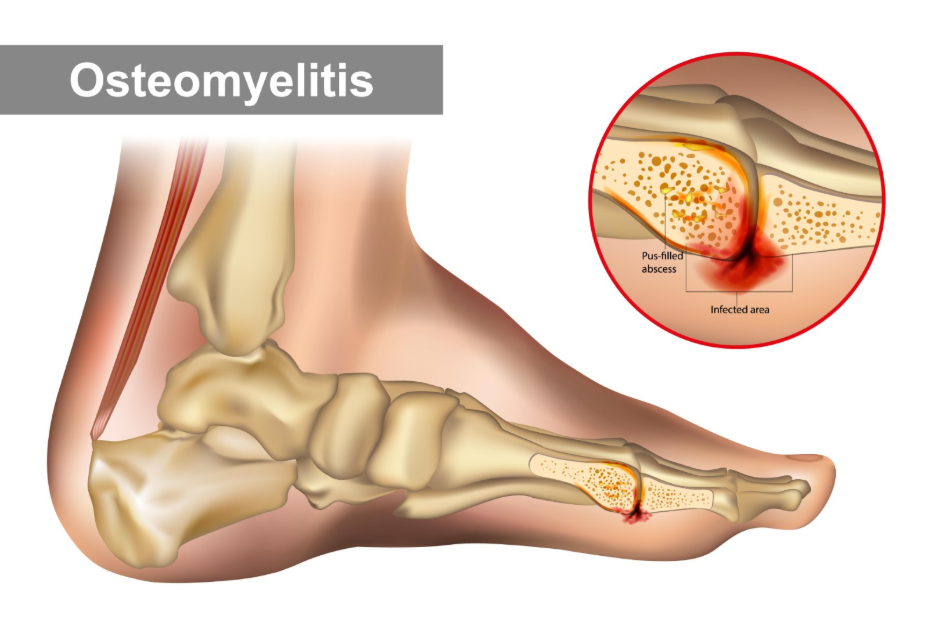
Cellulitis is a common bacterial infection of the deep layers of the skin that presents with redness, heat, and swelling, often mimicking the early signs of a blood clot. In the United Kingdom, healthcare professionals identify that while DVT is a vascular issue, cellulitis is an infectious process that frequently presents with more widespread skin redness, a high temperature, and a general feeling of being unwell. NICE clinical guidelines indicate that the assessment of skin temperature and systemic symptoms is a central component of distinguishing between venous triggers and infectious processes to maintain systemic stability.
| Feature | Deep Vein Thrombosis (DVT) | Cellulitis (Infection) |
| Pain Type | Deep cramping or throbbing. | Surface tenderness and stinging. |
| Swelling | Often pitting (leaves a mark). | Firm, tight, and hot to touch. |
| Skin Colour | Red, blue, or dark discolouration. | Expanding, bright red area. |
| Fever | Usually absent in early stages. | Often present with chills or rigors. |
Identifying these regional triggers helps the multidisciplinary team provide a secure environment for health maintenance. In the UK, the focus is on providing a safe and accurate understanding of the individual functional capability across different life stages. This professional oversight is essential for building long-term health wellbeing through the systematic identification of physiological triggers and the provision of specialist advice on achieving biological homeostasis during acute inflammatory events within the national framework.
Chronic Venous Insufficiency and Long-term Swelling
Chronic venous insufficiency occurs when the valves in the leg veins do not work effectively, leading to long-term swelling, skin changes, and a sensation of heaviness in both legs. In the United Kingdom, healthcare professionals focus on the fact that while DVT is an acute event, venous insufficiency is a chronic condition that initiated a sequence of fluid accumulation over months or years. The GOV.UK health pages provide clinical profiles indicating that the monitoring of biological markers for chronic venous pressure is a priority for ensuring integrated support.
As the vein valves fail, the sequence of events follows the pull of gravity, causing blood to pool around the ankles. In the UK, the focus is on providing a stable foundation for the individual to move forward with self-understanding of their physical state. The NHS ensures that adults have a consistent point of contact for their health needs while they navigate recovery from chronic circulatory issues. By utilised these integrated pathways, the healthcare system provides a secure environment for building long-term health wellbeing across the UK population. This integrated approach ensures that every person functional capability is respected and that circulatory triggers are addressed through coordinated medical observation within the national framework.
Superficial Thrombophlebitis and Localised Inflammation
Superficial thrombophlebitis involves inflammation of a vein just under the skin, often caused by a small blood clot, which produces a hard, red, and warm “cord-like” lump. In the United Kingdom, healthcare professionals identify that while this condition is less serious than DVT, it require a structured clinical assessment to ensure the inflammation does not extend into the deeper venous system.
Clinical markers of superficial inflammation in the UK include:
- Visible Red Streak: A line of redness following the path of a surface vein.
- Palpable Cord: A hard, tender lump that feels like a piece of string under the skin.
- Localised Heat: Warmth that is strictly confined to the area of the vein.
- Absence of General Swelling: The whole leg is usually not swollen as it is in DVT.
- Recent IV Line: Often occurs after a cannula or injection has been used.
- Varicose Veins: More common in individuals with pre-existing surface vein issues.
- Pain on Movement: Discomfort when the skin over the vein is stretched.
In the UK, the focus is on providing a stable foundation for the individual to move forward with self-understanding. The NHS ensures that adults and children have a consistent point of contact for their health needs. By utilised these integrated pathways, the healthcare system provides a secure environment for building long-term health wellbeing across the UK population. These strategies aim to work with the individual’s biology to restore stability through the consistent clinical control of their environment and the systematic identification of the mechanical triggers of the circulatory system within the national framework.
Standard UK Protocols for Diagnostic Investigation
The United Kingdom healthcare system utilise a sequence of investigative protocols, including the Wells clinical score and ultrasound imaging, for any individual presenting with a swollen, warm, or red leg. In the United Kingdom, healthcare professionals focus on ensuring that suspected thrombosis is investigated systematically to achieve biological homeostasis and provide an accurate physiological understanding of the vascular system state.
Investigative steps in the UK include:
- Wells Clinical Score: A points-based tool used to assess the probability of a clot.
- D-dimer Test: A blood test that identifies fragments of dissolved clots in the blood.
- Ultrasound Scan: Visualising the deep veins in the leg to confirm a thrombus.
- Blood Screening: Checking for markers of infection like a high white cell count.
- Anticoagulant Therapy: Using medication to prevent existing clots from growing.
- Active Surveillance: Scheduled monitoring during clinical reviews to ensure stability.
- Specialist Referral: Consulting with haematology, vascular, or dermatology teams.
In the UK, the focus is on providing a stable foundation for the individual to move forward with self-understanding. The NHS ensures that adults and children have a consistent point of contact for their health needs. By utilised these integrated pathways, the healthcare system provides a secure environment for building long-term health wellbeing across the UK population. These strategies aim to work with the individual’s biology to restore stability through the consistent clinical control of their circulatory health and the promotion of a sustainable lifestyle within a validated medical environment.
Conclusion
Swollen, warm, or red legs follow a sequence of potential biological triggers ranging from acute vascular events like DVT to chronic conditions and infections within the established UK healthcare framework. The NHS and professional bodies provide a robust system of multidisciplinary assessments to help individuals achieve stability and resilience throughout their health journey. By focusing on both the consistent monitoring of circulatory health and the recognition of red flags, the system promotes the highest possible level of independence. Following a coordinated management plan with the help of medical experts ensures that unique adult needs are addressed holistically.
If you experience severe, sudden, or worsening symptoms, call 999 immediately.
Can a muscle strain cause my leg to be warm and swollen?
In the UK, specialists explain that a significant muscle tear can cause localised heat and swelling, but it usually follows a clear physical injury.
Why is it more concerning if only one leg is swollen?
In the UK, unilateral swelling suggests a localised issue like a blood clot or infection, whereas swelling in both legs often relates to heart or kidney function.
Is a red, itchy leg a sign of a blood clot?
In the UK, itchiness is more commonly associated with skin conditions like eczema or an allergic reaction, rather than a deep vein thrombosis.
What does a “pitting” swelling mean?
In the UK, pitting oedema is when an indentation remains after you press your finger into the swollen skin, often seen in DVT or heart issues.
Can varicose veins cause the leg to feel warm?
Yes; in the UK, varicose veins can lead to superficial inflammation which makes the skin feel warm and tender over the affected vessels.
Will the redness from DVT spread like an infection?
In the UK, DVT redness tends to stay in the area of the clot, whereas the redness from an infection like cellulitis often expands rapidly across the skin.
Who should I talk to if my leg is suddenly swollen and hot?
The first point of contact in the United Kingdom is your GP or 111 for an urgent clinical assessment and to determine if investigations are needed.
Authority Snapshot (E-E-A-T)
This article provides medically factual health education regarding the causes of swollen, warm, and red legs, strictly aligned with NHS and NICE clinical guidelines. The content is developed by a professional medical writing team and reviewed by Dr. Stefan Petrov, a UK-trained physician with experience in general medicine, surgery, anaesthesia, ophthalmology, and emergency care. All information follows current UK public health protocols to ensure clinical accuracy and patient safety.



