




The first-line painkillers usually recommended for bursitis and tendonitis are non-steroidal anti-inflammatory drugs (NSAIDs) and paracetamol. Because these conditions involve localized inflammation and pain, the goal of medication is to reduce the swelling while making daily movements more comfortable. In the United Kingdom, healthcare professionals follow a step-by-step approach to pain management, often starting with topical treatments before moving to oral medications. Understanding the correct use of these medicines is a key part of the NHS-aligned recovery process for soft tissue injuries.
What We’ll Discuss in This Article
- The role of NSAIDs in reducing joint inflammation.
- Using paracetamol for effective pain management.
- The benefits of topical anti-inflammatory gels and creams.
- How to safely combine different types of painkillers.
- Important safety considerations and potential side effects.
- When to transition from over-the-counter relief to prescribed medication.
The role of NSAIDs in managing inflammation
Getty Images
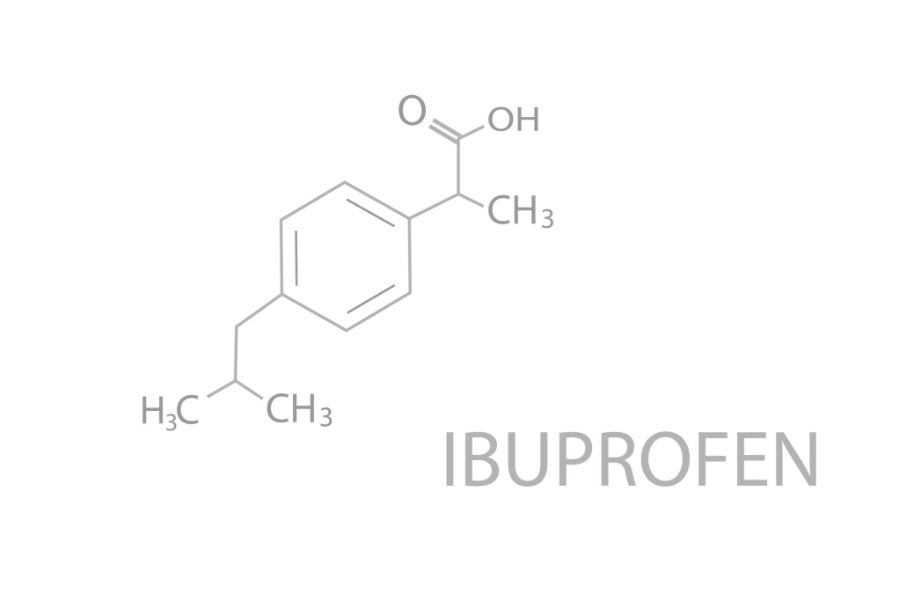
Non-steroidal anti-inflammatory drugs (NSAIDs), such as ibuprofen or naproxen, are often the primary recommendation because they address the underlying cause of the pain: inflammation. Unlike standard painkillers, NSAIDs work by blocking the enzymes that produce prostaglandins, the chemicals responsible for swelling and pain at the site of the injured bursa or tendon. According to NHS information on NSAIDs, these medications are most effective when taken regularly for a short period, rather than only when the pain is severe, as this helps maintain a consistent anti-inflammatory effect in the joint.
Using paracetamol for pain relief
Paracetamol is a common and effective choice for managing the aching sensation associated with tendonitis or bursitis, especially for individuals who cannot take anti-inflammatory drugs. While paracetamol does not reduce inflammation, it is very effective at blocking pain signals in the central nervous system. It is often recommended as a base-level painkiller because it has fewer side effects for the stomach and kidneys than NSAIDs. In the UK, it is frequently used in combination with other treatments to provide a broader level of comfort during the early stages of recovery.
The benefits of topical gels and creams
For many patients, especially those with tendonitis or bursitis in joints close to the skin like the elbow, knee, or ankle, topical NSAID gels are the preferred first step. Gels containing ibuprofen or diclofenac are applied directly over the painful area, allowing the medication to penetrate the tissues locally with very little being absorbed into the bloodstream. This significantly reduces the risk of systemic side effects, such as stomach irritation. Many people find that applying a gel three to four times a day provides targeted relief exactly where it is needed most.
Safely combining different painkillers
In cases where pain is persistent, a GP or pharmacist may suggest taking paracetamol and an NSAID together. Because these two types of medication work in different ways, they can be used simultaneously to provide more comprehensive relief. However, it is vital to ensure you are not taking two different types of NSAIDs at the same time, such as ibuprofen and naproxen, as this can lead to serious side effects. Always check the labels of over-the-counter cold and flu remedies, as these often contain paracetamol or NSAIDs which could lead to an accidental overdose.
Important safety considerations
While over-the-counter painkillers are generally safe for short-term use, they are not suitable for everyone. NSAIDs, in particular, should be used with caution by individuals with a history of stomach ulcers, asthma, or kidney and heart problems. It is also recommended to take oral NSAIDs with food to protect the stomach lining. If you are taking other regular medications, such as blood thinners or blood pressure tablets, you must consult a pharmacist before starting a course of anti-inflammatories. According to NICE clinical standards, the use of these medications should be limited to the shortest time necessary to control symptoms.
Transitioning to prescribed medications
If over-the-counter options do not provide enough relief after a week or two, a GP may prescribe stronger versions of these medications or alternative types of pain relief. This might include higher-strength naproxen or co-codamol for short-term use during a severe flare-up. However, medication is only one part of the recovery process. The NHS emphasizes that painkillers should be used to facilitate movement and physiotherapy, rather than simply to mask the pain while continuing the activities that caused the injury in the first place.
Conclusion
The first painkillers recommended for bursitis and tendonitis are typically NSAIDs, such as ibuprofen, and paracetamol. Topical gels are often preferred for localized joint pain to minimize side effects, while oral tablets provide a stronger systemic effect for deeper inflammation. Most people find that a short course of these medications, combined with rest and ice, effectively manages their symptoms. If you experience severe, sudden, or worsening symptoms, call 999 immediately.
Can I take ibuprofen on an empty stomach?
No, it is always recommended to take oral NSAIDs with or after food to reduce the risk of irritating your stomach lining.
How long can I safely take anti-inflammatories for bursitis?
You should generally not take NSAIDs for more than ten to fourteen days without consulting a GP or pharmacist.
Is paracetamol better than ibuprofen for tendonitis?
Ibuprofen is often better for inflammation, but paracetamol is a safer choice if you have a sensitive stomach or asthma.
Can I use a topical gel and take paracetamol at the same time?
Yes, this is a safe and common combination as they work through different mechanisms to relieve pain.
Will painkillers cure my bursitis?
Painkillers only manage the symptoms and inflammation; the underlying cause must be addressed through rest and potentially physiotherapy.
Why does my doctor prefer I use a gel instead of tablets?
Topical gels provide targeted relief with a much lower risk of side effects like stomach upset or kidney strain.
Can I take aspirin for joint inflammation?
Aspirin is an anti-inflammatory, but it is less commonly recommended for joint pain today as other NSAIDs often have a better safety profile.
Authority Snapshot
This article provides an overview of the standard pharmacological approach to managing soft tissue inflammation in the United Kingdom. It has been written by the MyPatientAdvice Medical Writing/Research Team and reviewed by Dr. Rebecca Fernandez to ensure clinical accuracy and safety. The information provided is strictly



