
Can carriers of muscular dystrophy genes have mild muscle symptoms?
Muscular dystrophy is often viewed as a condition that only affects those who inherit the full genetic mutation, but it is now well understood that some female carriers of the Duchenne or Becker genes can also experience physical symptoms. These individuals are often referred to as manifesting carriers, and their symptoms can range from subtle muscle aches to more significant weakness. In the UK, it is important for known carriers to be aware of these potential effects to ensure they receive appropriate monitoring and support from neuromuscular specialists. While many carriers will never experience any physical limitations, recognising the signs of muscle involvement allows for proactive health management and better long-term outcomes.
What We’ll Discuss in This Article
- The definition of manifesting carriers in X-linked muscular dystrophy.
- The genetic mechanism of X-inactivation and how it causes symptoms.
- Common physical signs such as muscle weakness and fatigue.
- The critical importance of regular cardiac monitoring for carriers.
- How symptoms may progress or change throughout an individual’s life.
- Accessing specialist genetic and neuromuscular support in the UK.
Understanding why some carriers have muscle symptoms
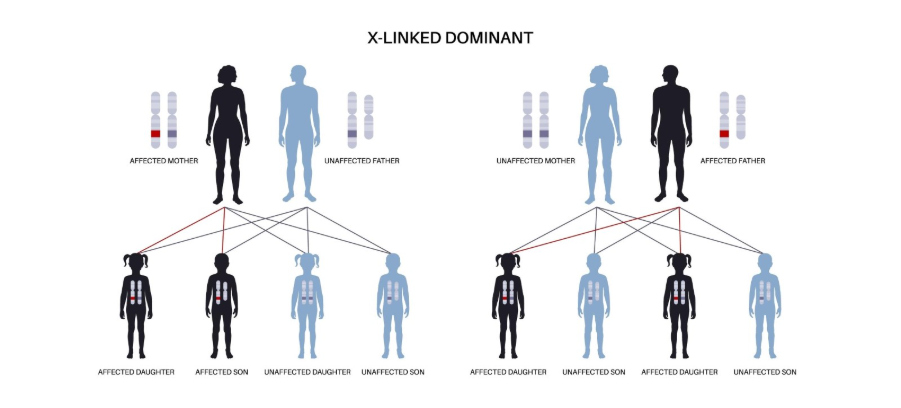
Some female carriers of muscular dystrophy genes experience symptoms because of a process called X-inactivation, where the healthy X chromosome is switched off in a large proportion of muscle cells. The NHS explains that muscular dystrophy is a group of inherited genetic conditions that gradually cause the muscles to weaken, leading to an increasing level of disability. In a typical female carrier, one X chromosome carries the mutated gene and the other is healthy. Usually, the healthy chromosome provides enough instructions to produce the necessary muscle proteins. However, if the healthy chromosome is inactive in a significant number of cells, the body cannot produce enough protein to maintain full muscle function.
This biological variability explains why one carrier might have no symptoms at all while another may experience noticeable physical challenges. The symptoms often depend on the percentage of cells that are relying on the mutated gene. This is not a choice or a result of lifestyle but a random genetic process that occurs early in development. Because of this, medical professionals in the UK now recognise that carrier status is not always a silent condition and requires clinical awareness.
Common physical symptoms in manifesting carriers
Manifesting carriers typically report mild to moderate muscle weakness, particularly in the thighs and shoulders, alongside muscle cramps and persistent fatigue. This weakness might be first noticed when climbing stairs, lifting heavy objects, or walking long distances. Unlike the severe progression seen in affected males, the weakness in carriers is often much slower and may stay relatively stable for many years. Some women may also notice that their muscles feel unusually sore after physical activity that others find easy.
In addition to muscle weakness, some carriers experience significant fatigue that is not improved by rest. This can impact daily life and the ability to maintain a busy schedule. It is also common for manifesting carriers to have larger-than-average calf muscles, which is a physical sign often seen in the conditions they carry. NICE guidelines recommend that people with neuromuscular disorders should have access to a multidisciplinary team for the management of their physical symptoms. Recognising these symptoms as part of carrier status rather than general ageing or lack of fitness is a vital step in accessing the correct support.
Monitoring heart health in muscular dystrophy carriers
Because the genetic mutation can also affect the heart, UK health guidelines recommend that carriers of Duchenne and Becker muscular dystrophy undergo regular cardiac screening to check for cardiomyopathy. The heart is a muscle, and the same proteins required for leg and arm muscles are also vital for heart function. Even if a carrier has no weakness in their limbs, they may still be at risk of changes to their heart muscle over time.
Cardiomyopathy in carriers can be subtle and may not cause symptoms in the early stages. Regular check ups, usually involving an ECG or an ultrasound scan of the heart, allow doctors to detect any changes early. If changes are found, there are effective medications that can support the heart and reduce the risk of future complications. In the UK, carriers are typically advised to have a baseline heart check upon diagnosis and then regular follow ups as determined by their cardiologist.
Conclusion
Female carriers of muscular dystrophy can experience a range of mild muscle symptoms, including weakness, aching, and fatigue, if they are manifesting carriers. These symptoms occur due to a genetic process that limits the production of essential muscle proteins. It is also essential for carriers of Duchenne and Becker muscular dystrophy to have regular heart check ups, as the heart muscle can also be affected by the mutation. Understanding these risks ensures that carriers receive the same standard of specialist care as those with the full condition. If you experience severe, sudden, or worsening symptoms, call 999 immediately.
Can carrier symptoms appear for the first time in adulthood?
Yes, many women do not notice any symptoms until their twenties, thirties, or even later, as the demands on their muscles change with age.
Does having symptoms mean the condition will get much worse?
In most manifesting carriers, the progression of weakness is very slow and does not lead to the same level of disability seen in affected males.
Are there specific tests to confirm if a carrier is manifesting?
A clinical examination by a neurologist and a blood test to check levels of a muscle enzyme called creatine kinase are commonly used.
Can carrier symptoms affect the ability to work?
While many carriers continue to work full time, some may need workplace adjustments if their role involves significant physical exertion or standing for long periods.
Is there a difference between Duchenne and Becker carrier symptoms?
The symptoms are generally similar, but they can vary in intensity depending on the specific genetic mutation and the level of protein production.
Can exercise help manifesting carriers?
Gentle, low-impact exercise is often encouraged to maintain muscle function, but it is important to avoid overexertion that leads to significant pain.
Should all sisters of an affected male be tested?
Genetic testing is a personal choice, but it is often recommended so that individuals can understand their own health risks and reproductive options.
Authority Snapshot
This article provides evidence based information for patients and families, adhering to the safety and clinical standards of the NHS and NICE. The content has been reviewed by Dr. Stefan Petrov, a UK trained physician with postgraduate certifications and extensive experience in general medicine, surgery, and emergency care. Dr. Petrov’s work in both hospital wards and intensive care units ensures that this guide reflects the clinical accuracy required for public health education in the UK.
