
How long is recovery after knee or hip replacement?
The recovery period following a hip or knee replacement is a structured, gradual process that typically spans several months, with the most significant improvements occurring in the first six to twelve weeks. While every patient’s journey is unique, the clinical goal in the United Kingdom is to achieve early mobilisation to prevent complications and ensure the best functional outcome. Most individuals can expect to return to light daily activities within six weeks, but it often takes up to a full year for the soft tissues to completely heal and for the joint to feel entirely natural. Success during this period is heavily dependent on a partnership between the surgical team and the patient’s commitment to a dedicated physiotherapy program. By understanding the typical milestones of recovery, you can better prepare for the physical and mental requirements of rehabilitation and set realistic expectations for your return to independence.
What We’ll Discuss in This Article
- The immediate post-operative milestones during the hospital stay.
- Identifying the typical recovery timeline from week one to twelve months.
- The critical role of early mobilisation and physiotherapy in joint health.
- Primary causes of delayed recovery including pain management and swelling.
- Common lifestyle triggers that can impact the speed of your rehabilitation.
- Differentiating between normal recovery discomfort and ‘red flag’ symptoms.
- Understanding when a return to driving and work is clinically appropriate.
The Immediate Phase: The First 48 Hours
Recovery begins the moment you wake up from anaesthesia. In modern UK orthopaedic care, the ‘Enhanced Recovery After Surgery’ (ERAS) protocol is standard, aiming to get patients on their feet as quickly as possible. You will typically be encouraged to stand and take a few steps with a walker or crutches within twenty-four hours of the operation. This early movement is vital for stimulating blood flow, reducing the risk of blood clots, and preventing the joint from stiffening.
During your short hospital stay (usually one to three days), the focus is on three key milestones: achieving adequate pain control with oral medication, ensuring you can safely navigate a short flight of stairs, and learning the initial set of home exercises. You will not be discharged until the clinical team is satisfied that you can safely manage your personal care at home. Before leaving, you will be given a specific schedule for blood-thinning medication and instructions on how to care for your surgical wound.
The Early Weeks: Getting Mobile (Weeks 1 to 6)
Once home, the first six weeks are the most intensive part of the recovery. During this phase, you will likely still need walking aids, such as crutches or a frame, to protect the new joint while the surrounding muscles and ligaments begin to heal. Swelling and bruising are entirely normal during this time and can be managed with elevation, ice packs, and consistent use of prescribed pain relief.
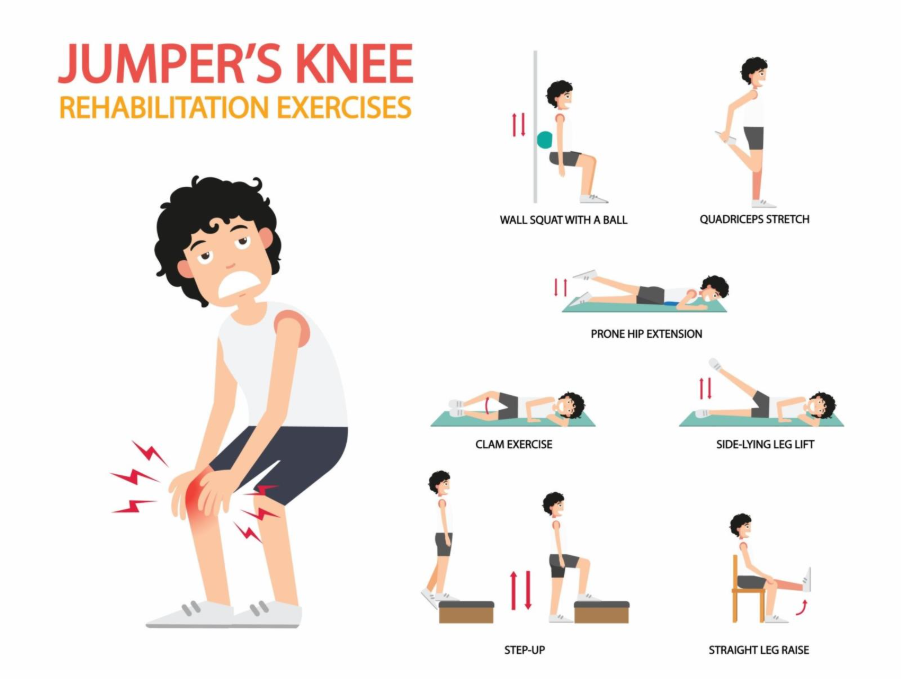
The ‘gold standard’ for a successful recovery is strict adherence to your physiotherapy exercises. These movements are designed to restore the range of motion and rebuild the ‘muscular sleeve’ that stabilises the joint. By the end of week six, most patients find they can walk longer distances, have significantly reduced their need for strong pain relief, and are beginning to transition from two crutches to one, or even no aids at all. This is also the stage where most people attend their first follow-up appointment with the surgical team to monitor the healing of the incision and the stability of the implant.
Mid-Term Recovery: Returning to Activity (Weeks 6 to 12)
Between six and twelve weeks, the focus shifts from basic mobility to functional strength and endurance. Most of the acute surgical pain will have settled, replaced by a dull ache that occurs primarily after exercise. This is typically the time when UK clinicians allow a return to driving, provided you can perform an emergency stop safely and are no longer taking sedating pain medications. If your job is sedentary, you may also be able to return to work, often starting with a ‘phased return’ of reduced hours.
During this period, you can begin to reintroduce low-impact recreational activities. For hip replacement patients, this might include gentle swimming or using a stationary bike. For knee replacement patients, the focus remains on achieving full extension (straightening the leg) and sufficient flexion (bending) to allow for a normal walking gait. It is essential to continue with strengthening exercises, as the muscles, particularly the gluteal for the hip and quadriceps for the knee, often take several months to regain their full pre-operative power.
The Underlying Causes of a Successful Recovery
The speed and effectiveness of your recovery are influenced by several biological and clinical factors. While the surgeon provides the mechanical solution, your body’s ability to heal and adapt to the prosthesis dictates the timeline.
Key clinical factors include:
- Pre-operative Fitness: Patients who enter surgery with stronger muscles and better cardiovascular health often recover more quickly.
- Pain Management: Maintaining a consistent level of pain relief allows you to perform your exercises effectively; if pain is poorly controlled, the joint may become stiff.
- Age and Health: While age is not a barrier to surgery, younger patients or those without other health conditions (like diabetes) may heal slightly faster.
- Commitment to Rehab: The single biggest factor in the quality of the long-term result is how diligently the patient performs their daily physiotherapy.
- Surgical Approach: Some minimally invasive techniques may offer a slightly faster return to walking in the very early weeks, though long-term outcomes are similar to traditional methods.
Differentiation: Normal Discomfort vs Red Flags
It is essential to differentiate between the expected challenges of recovery and serious complications that require urgent medical review. Most patients will experience localised swelling, some warmth around the joint, and clicking sensations, which are generally not a cause for concern.
Key differences include:
- Normal Recovery: Swelling that improves with rest and ice; pain that is manageable with tablets; a dry, healing scar.
- Red Flag Blood Clot: A calf that is significantly more swollen, red, hot, and painful than the other side (signs of DVT).
- Red Flag Infection: A sudden increase in pain, a high fever (over 38°C), or pus/foul-smelling fluid leaking from the wound.
- Red Flag Pulmonary Embolism: Sudden shortness of breath, chest pain when breathing in, or coughing up blood.
- Dislocation (Hip Only): A sudden ‘pop’ followed by an inability to move the leg and a noticeable change in leg position.
Long-Term Healing: The 12-Month Mark
Although you will likely feel ‘back to normal’ after three months, the internal healing process continues for up to a full year. During this final phase, the bone continues to grow and bond with the implant (if uncemented), and the deep scar tissue becomes more flexible. You may still notice occasional swelling or aching after a very busy day or during changes in the weather, but this will gradually diminish.
By twelve months, the goal is for the joint to feel like a natural part of your body. Most patients can return to all low-impact sports and hobbies they enjoyed before their arthritis became severe. Regular follow-ups may continue at longer intervals, such as five or ten years, to ensure the implant remains securely fixed. Maintaining a healthy weight and staying active remain the best ways to protect your new joint for the next twenty years and beyond.
Conclusion
Recovery after a hip or knee replacement is a journey of several stages, beginning with immediate mobilisation in the hospital and progressing to functional independence over three to six months. While the first six weeks require the most effort and patience, the reward is a significant reduction in pain and a return to the activities you love. By following the advice of your UK clinical team, committing to your daily exercises, and recognising the ‘red flag’ symptoms that require urgent care, you can ensure the best possible long-term result. Most patients find that by the one-year mark, their quality of life has improved dramatically compared to their years of living with advanced osteoarthritis.
According to NHS guidance on joint recovery, most people are back to light activities within six weeks, but full recovery can take up to a year.
If you experience severe, sudden, or worsening symptoms, call 999 immediately.
When can I stop using crutches?
Most people transition to a single stick or no aids between four and six weeks, once they can walk without a limp and their balance feels secure.
Is it normal for my knee to feel hot months after surgery?
Yes, it is common for a replaced joint to feel slightly warmer than the other side for several months as the internal healing and remodelling process continues.
When can I go back to the gym?
You can usually start low-impact gym work (like the cross-trainer or stationary bike) after six weeks, but you should avoid heavy weights or impact exercises until cleared by your surgeon.
How soon can I sleep on my side after a hip replacement?
Many surgeons recommend waiting six weeks before sleeping on your side to allow the joint capsule to heal, often suggesting a pillow between the knees for comfort.
Why does my new knee click when I walk?
Clicking (crepitus) is very common and is usually just the metal and plastic components touching as you move; it is not a concern unless it is painful.
Can I fly after my surgery?
Most clinicians recommend waiting at least six to twelve weeks before flying due to the increased risk of blood clots during long periods of sitting.
Authority Snapshot
This article was written by Dr. Stefan Petrov, a UK-trained physician with an MBBS and postgraduate certifications including Basic Life Support (BLS), Advanced Cardiac Life Support (ACLS), and the UK Medical Licensing Assessment (PLAB 1 & 2). Dr. Petrov has extensive hands-on experience in general medicine, surgery, and emergency care, having worked in both hospital wards and intensive care units. He is dedicated to medical education and ensuring that patient-focused health content is accurate, safe, and aligned with UK clinical standards.
