
Is severe pain always a sign of fracture?
It is a common medical misconception that the level of pain experienced is a direct indicator of whether a bone is broken. While many fractures are accompanied by sudden and intense pain, this is not a universal rule. Some significant bone breaks can result in surprisingly mild symptoms, whereas certain soft tissue injuries, such as a complete ligament rupture, can produce pain that is more debilitating than a minor fracture. In the UK, clinicians are trained to look beyond the patient’s pain level, using a combination of physical tests and diagnostic imaging to determine the true extent of an injury. Relying solely on pain to judge the severity of a trauma can lead to a delayed diagnosis and complications in the healing process.
What We’ll Discuss in This Article
- Why pain levels vary significantly between different types of fractures
- Instances where a serious break might cause only mild discomfort
- Soft tissue injuries that often mimic the intense pain of a fracture
- The role of individual pain thresholds and adrenaline in injury perception
- Key clinical signs used by the NHS to identify breaks when pain is low
- When to seek a professional review despite manageable pain levels
Why pain levels vary in bone injuries
The amount of pain a fracture causes depends on several factors, including the location of the break and the amount of damage to the surrounding tissues. The periosteum, which is the thin layer of connective tissue covering the surface of bones, is rich in nerve endings. If a fracture is “displaced” and the sharp edges of the bone irritate this layer or the nearby muscles, the pain is typically severe. However, if a bone is cracked but the pieces have not moved, the nerve endings may be less stimulated. NICE clinical knowledge summaries suggest that while pain is a primary symptom of trauma, its intensity is subjective and cannot be used as the sole diagnostic tool for bone integrity.
Fractures that produce surprisingly little pain
There are several types of fractures that are notoriously easy to miss because they do not always cause immediate or severe pain.
- Stress Fractures: These are tiny cracks caused by repetitive strain. The pain often begins as a dull ache that only appears during physical activity, leading many people to mistake it for muscle fatigue or “shin splints.”
- Impacted Fractures: This occurs when the broken ends of the bone are driven into each other. The resulting stability can sometimes mask the pain, allowing a person to continue moving the limb for a short period.
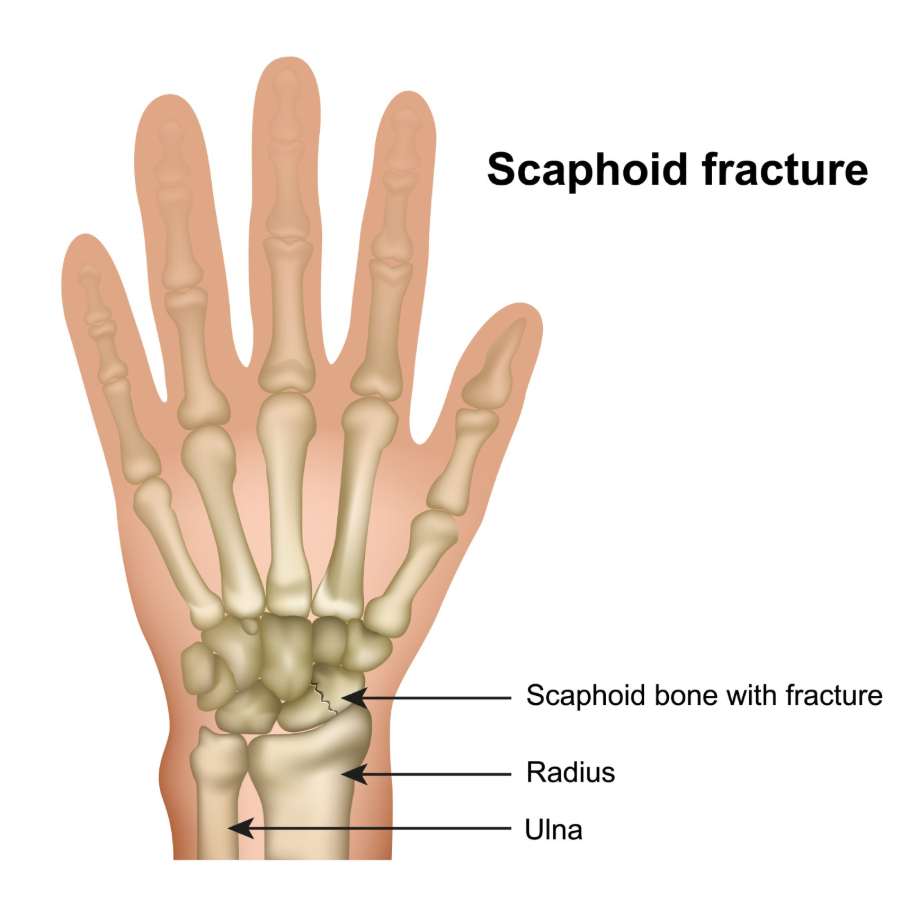
- Small Bone Fractures: Breaks in the small bones of the wrist, such as the scaphoid, or in the toes, are often dismissed as simple sprains because the initial pain is manageable and there is no obvious deformity.
Severe pain without a bone break
Conversely, some of the most painful musculoskeletal injuries do not involve a fracture at all. A grade 3 sprain, where a ligament is completely torn, can cause a level of throbbing pain and massive swelling that is often indistinguishable from a broken bone. Similarly, a joint dislocation, where the bones are forced out of their socket, is considered one of the most painful traumatic events an individual can experience. In these cases, the pain is caused by the extreme stretching and tearing of the joint capsule and surrounding nerves rather than a break in the bone tissue itself.
The influence of adrenaline and shock
The human body has natural mechanisms that can temporarily mask even the most severe pain. Immediately after a sports accident or a fall, the brain releases a surge of adrenaline as part of the “fight or flight” response. This can numb the sensation of pain for several minutes or even hours, allowing an individual to walk off the pitch or even continue a game with a broken limb. It is only when the body begins to calm down and the inflammatory response sets in that the true level of pain becomes apparent. This is why the NHS recommends re-evaluating an injury several hours after the incident has occurred.
Clinical indicators beyond pain
Because pain is an unreliable measure, UK healthcare providers use specific physical indicators to assess the likelihood of a fracture. One of the most important is the “point tenderness” test. If a person feels sharp, intense pain when a clinician presses on one very specific spot on the bone, it is a strong indicator of a break, regardless of the overall pain level.
Other indicators include:
- Inability to Bear Weight: Not being able to take four steps on a limb.
- Visible Deformity: Any unusual bending or lumps in the limb.
- Neurological Symptoms: Numbness or tingling in the extremities.
- Crepitus: A grinding or grating sensation when the area is moved.
Conclusion
Severe pain is a common symptom of a fracture, but its absence does not guarantee that a bone is intact. Many fractures can present with only mild discomfort, while soft tissue injuries can be intensely painful. Because of this overlap, relying on your pain threshold to decide whether to seek medical help is risky. A professional assessment involving physical testing and, if necessary, an X-ray is the only definitive way to confirm or rule out a break. If you experience severe, sudden, or worsening symptoms, call 999 immediately.
Can you walk on a broken leg if the pain is low?
Yes, it is possible to walk on certain types of fractures, such as a break in the smaller fibula bone or an impacted fracture, but doing so can cause the injury to become much worse.
Why does a sprain sometimes hurt more than a break?
Ligaments and tendons are highly sensitive and have a significant blood supply. A complete tear can cause massive inflammation and nerve irritation that exceeds the pain of a stable bone crack.
Is a “dull ache” a sign of a fracture?
A persistent dull ache, especially one that gets worse during exercise and better with rest, is a classic warning sign of a stress fracture.
How do I know if I have a high pain threshold?
If you have a high pain threshold, you may not feel the “typical” intensity of a break. This makes it even more important to look for other signs like swelling, bruising, and a loss of function.
Does a fracture always cause bruising?
Most fractures cause some level of bruising as blood vessels in the bone and surrounding tissue tear, but it may take several hours or even a day for the bruise to reach the surface of the skin.
Can children have fractures with very little pain?
Yes, children often have “greenstick” or “buckle” fractures where the bone bends rather than snaps. These can sometimes cause only mild distress and are frequently mistaken for minor bumps.
When should I definitely get an X-ray?
If you have localised tenderness directly on the bone, can’t bear weight, or have significant swelling that isn’t improving after 48 hours, an X-ray is usually recommended.
Authority Snapshot (E-E-A-T Block)
This article is intended to clarify for the general public that pain levels are not a definitive diagnostic tool for bone injuries. The content has been produced by the MyPatientAdvice team and reviewed by Dr. Stefan Petrov, a UK-trained physician with experience in emergency and trauma care. All information is strictly aligned with the latest clinical standards and diagnostic protocols of the NHS and NICE.
