
What symptoms indicate a stent might be needed?
A coronary stent is a small, expandable mesh tube used to open narrowed or blocked arteries in the heart. In the UK, this procedure, known as a coronary angioplasty, is one of the most common treatments for coronary heart disease. Identifying the symptoms that lead to a clinical recommendation for a stent is critical for preventing heart muscle damage and managing long term cardiovascular health.
In this article, you will learn about the primary symptoms of arterial blockages, the difference between stable and unstable angina, and the emergency signs of a heart attack. We will also explore the underlying causes of these symptoms, the triggers that make them worse, and how stenting differs from other cardiac treatments like bypass surgery.
What We’ll Discuss in This Article
- Common symptoms of narrowed heart arteries, such as chest pain and fatigue
- The clinical difference between stable and unstable angina
- Warning signs of an acute myocardial infarction (heart attack)
- How atherosclerosis causes symptoms to develop over time
- Lifestyle and biological triggers for worsening chest pain
- How a stent procedure compares to coronary bypass surgery
- Essential emergency guidance for sudden cardiac symptoms
Primary symptoms of coronary artery narrowing
The most common symptom that indicates a stent might be needed is a specific type of chest pain known as angina. This is often described as a feeling of pressure, tightness, or squeezing in the chest, which may spread to the arms, neck, jaw, or back. These symptoms occur because the heart muscle is not receiving enough oxygen rich blood through the narrowed coronary arteries.
Beyond chest pain, many patients experience significant shortness of breath, even during light physical activity. This happens because the heart cannot pump effectively when its blood supply is restricted. Some individuals may also experience persistent fatigue, dizziness, or a feeling of indigestion that does not resolve. These symptoms are often more noticeable during exercise or emotional stress when the heart’s demand for oxygen increases.
- Chest Tightness: A heavy or dull ache, often triggered by exertion.
- Shortness of Breath: Difficulty breathing during tasks that were previously easy.
- Referred Pain: Discomfort that radiates to the left arm, jaw, or shoulder.
- Nausea and Sweating: Often associated with more severe arterial blockages.
Identifying unstable symptoms and heart attack signs
While stable angina occurs predictably during exercise, unstable symptoms are far more serious and often indicate an immediate need for a stent. Unstable angina is chest pain that occurs at rest, lasts longer than ten minutes, or feels significantly more severe than usual. This is a medical emergency as it suggests a blockage is nearly complete and a heart attack may be imminent.
If an artery becomes completely blocked, a heart attack (myocardial infarction) occurs. In the UK, emergency stenting, known as primary PCI, is the gold standard treatment for opening the artery as quickly as possible. Symptoms of a heart attack include sudden, crushing chest pain, a feeling of ‘impending doom,’ profuse sweating, and severe breathlessness. In these cases, a stent is used as a life saving intervention to restore blood flow and minimise permanent damage to the heart muscle.
- Rest Pain: Chest discomfort that occurs without physical exertion.
- Escalating Pain: Angina that is becoming more frequent or severe.
- Cold Sweats: Clammy skin accompanied by chest or arm pain.
- Sudden Collapse: Fainting or loss of consciousness due to poor circulation.
Causes of arterial blockages in the UK
The underlying cause of symptoms requiring a stent is atherosclerosis. This is a gradual process where fatty deposits, known as plaque, build up inside the walls of the coronary arteries. Over time, this plaque hardens and narrows the space available for blood to flow. In the UK, this is often driven by a combination of high cholesterol, high blood pressure, and smoking.
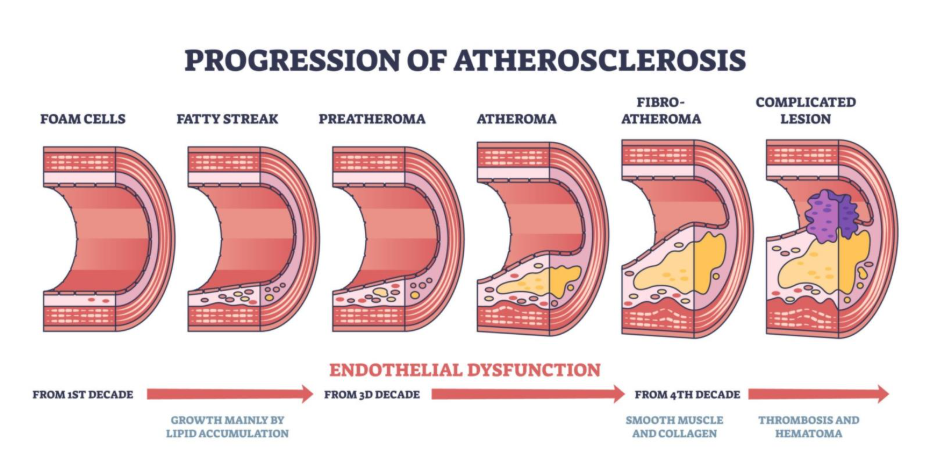
As the arteries narrow, the heart has to work harder to push blood through. If the plaque becomes unstable, it can rupture, leading to the formation of a blood clot. It is this sudden clot formation that typically triggers the acute symptoms of a heart attack, necessitating an emergency stent procedure. Understanding these causes is essential because, while a stent fixes the immediate blockage, the underlying disease must be managed through medication and lifestyle changes.
- Atherosclerosis: The buildup of fatty plaque in the artery walls.
- Inflammation: Damage to the vessel lining that encourages plaque growth.
- Plaque Rupture: The sudden breaking of a plaque deposit that triggers a clot.
- High Cholesterol: Excess fats in the blood that contribute to arterial narrowing.
Triggers for worsening symptoms
Even if a person has underlying coronary disease, their symptoms may only become apparent when triggered by specific factors. Physical exertion is the most common trigger, as it increases the heart’s need for oxygen. In the UK, cold weather is also a known trigger; the cold causes blood vessels to constrict, which can worsen symptoms of angina in those with already narrowed arteries.
Emotional stress and heavy meals can also act as triggers. Stress increases heart rate and blood pressure, while a heavy meal requires the body to divert blood flow to the digestive system, potentially leaving the heart muscle short of oxygen. Recognising these triggers can help patients and clinicians decide when the symptoms have reached a stage where a stent is the most appropriate next step.
- Physical Exertion: Walking uphill or carrying heavy bags.
- Cold Weather: Low temperatures causing vascular constriction.
- Stress: High emotional arousal increasing cardiac workload.
- Heavy Meals: Diverting blood flow away from the coronary circulation.
Differentiation: Stents vs. Bypass Surgery
It is important to understand that a stent is not the only way to treat blocked arteries. For simple or single blockages, a stent is often the preferred choice because the procedure is minimally invasive and recovery is fast. However, if a patient has many blockages across all three main heart arteries, a doctor may recommend coronary artery bypass grafting (CABG) instead.
A stent opens the existing artery from the inside using a mesh tube. In contrast, bypass surgery involves taking a healthy blood vessel from another part of the body and using it to ‘bypass’ the blockage entirely. While surgery is more invasive and requires a longer recovery, it can be more durable for patients with extensive or complex disease. Your clinical team will use diagnostic tests like a coronary angiogram to determine which treatment is safest for you.
Conclusion
Symptoms such as chest tightness, shortness of breath, and referred pain are key indicators that a heart artery may be blocked and a stent may be needed. While stable symptoms can often be managed with medication, sudden or worsening pain at rest is a medical emergency that requires immediate evaluation. By acting quickly on these signs, UK patients can receive the necessary interventions to restore blood flow and protect their heart health.
If you experience severe, sudden, or worsening symptoms, such as crushing chest pain, difficulty breathing, or a sudden blackout, call 999 immediately.
Will a stent stop me from having future chest pain?
A stent is very effective at relieving angina caused by a specific blockage, but you must still manage the underlying heart disease to prevent new narrowings elsewhere.
How long does the stent procedure take?
Most stent procedures, or angioplasties, are completed within 30 to 60 minutes, although complex cases may take longer.
Can I feel the stent inside my heart?
No, you cannot feel the stent because the inside of the arteries does not have the type of nerve endings that sense touch or pressure.
When can I start exercising after getting a stent?
Most people can return to light activity within a week, but you should follow the specific cardiac rehabilitation plan provided by your NHS team.
Do stents ever need to be replaced?
Modern drug eluting stents are permanent and rarely need replacement, though the artery could potentially narrow again (restenosis).
Is getting a stent considered major surgery?
No, it is a minimally invasive procedure performed through a small incision in the wrist or groin, usually under local anaesthetic.
Can I travel by plane after a stent procedure?
Most patients can fly within a few days of a planned procedure, but you must check with your cardiologist first, especially after a heart attack.
Authority Snapshot
This article was written by Dr. Rebecca Fernandez, a UK trained physician with an MBBS and extensive experience in cardiology and emergency medicine. Having managed critically ill patients and stabilised acute cardiac cases in the NHS, Dr. Fernandez provides expert insight into the symptoms and treatments for coronary artery disease. This content follows NHS and NICE safety standards to ensure the public receives accurate and reliable heart health information.
