
Is shortness of breath linked to cholesterol problems?
While high cholesterol itself does not directly cause you to feel out of breath, it is a significant risk factor for conditions that do. Over time, high levels of ‘bad’ cholesterol lead to the formation of fatty plaques in the arteries (atherosclerosis). If these plaques narrow the arteries supplying the heart muscle, it can lead to coronary heart disease or heart failure, both of which commonly present as shortness of breath, especially during physical exertion.
What We’ll Discuss in This Article
- The indirect link between high cholesterol and breathlessness.
- How atherosclerosis affects heart function and lung efficiency.
- Identifying shortness of breath as a symptom of coronary heart disease.
- The role of high cholesterol in heart failure development.
- Distinguishing between fitness-related breathlessness and medical concerns.
- When shortness of breath requires immediate emergency medical attention.
How can cholesterol levels affect your breathing?
Shortness of breath, or dyspnoea, occurs when the body’s demand for oxygen exceeds the heart and lungs’ ability to provide it. High cholesterol contributes to this by causing the arteries to harden and narrow. When the coronary arteries the vessels that supply blood to the heart muscle itself become restricted, the heart may struggle to pump efficiently. This inefficiency causes fluid to back up in the lungs or prevents the heart from meeting the body’s oxygen needs during exercise, resulting in a feeling of breathlessness.
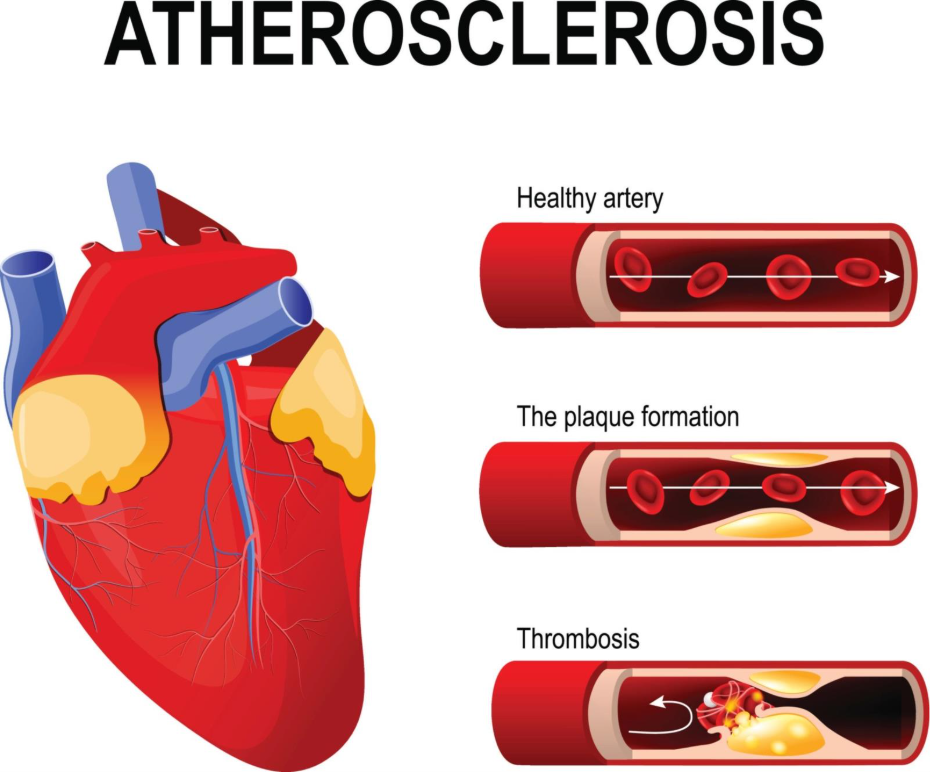
It is important to understand that high cholesterol is a ‘silent’ condition. You cannot ‘feel’ your cholesterol rising, but you can feel the secondary effects of the damage it causes to your vascular system.
- Angina: Chest tightness that may be accompanied by breathlessness.
- Heart Failure: A condition where the heart pump is weakened, often due to long-term high cholesterol and blood pressure.
- Reduced Exercise Tolerance: Finding that activities that were once easy now leave you gasping for air.
Table: Breathlessness Causes Comparison
| Feature | Heart-Related (Linked to Cholesterol) | Lung-Related (Asthma/COPD) |
| Primary Trigger | Physical exertion or lying flat. | Allergens, cold air, or infections. |
| Accompanying Signs | Chest tightness, leg swelling, or palpitations. | Wheezing, coughing, or phlegm production. |
| Onset | Often gradual over months or years. | Can be sudden or linked to specific triggers. |
| Recovery | Often improves quickly with rest. | May require an inhaler or medication to resolve. |
When breathlessness indicates a serious issue
If you have high cholesterol and begin to notice shortness of breath, it may be a sign that your cardiovascular health has reached a critical point. Doctors look for specific patterns of breathlessness to determine if the heart is being affected by arterial narrowing.
Shortness of breath that occurs when you are resting or that wakes you up at night (paroxysmal nocturnal dyspnoea) is a significant clinical marker that requires urgent investigation.
- Exertional Dyspnoea: Feeling unusually winded during simple tasks like climbing stairs or walking uphill.
- Orthopnoea: Difficulty breathing when lying flat, which often improves by propping oneself up with pillows.
- Sudden Onset: A rapid change in your ability to breathe, which can indicate a blood clot or acute heart issue.
Causes and Triggers of Cardiovascular Breathlessness
The path from high cholesterol to breathlessness is usually a long-term process involving several physiological triggers.
Primary Causes
- Coronary Artery Disease (CAD): Plaque buildup that reduces blood flow to the heart, leading to ‘breathless’ angina.
- Myocardial Infarction (Heart Attack): If a cholesterol plaque ruptures, it can cause a blockage that damages heart tissue.
- Heart Failure: Chronic high cholesterol leads to stiff or weak heart muscles that cannot circulate blood effectively.
Common Triggers
- Strenuous Activity: Pushing the heart beyond its current oxygen-delivery capacity.
- High Salt Intake: Can cause fluid retention, making breathlessness worse in those with heart issues.
- Respiratory Infections: Can put extra strain on a heart already struggling with narrowed arteries.
Shortness of Breath: Fitness vs. Medical Concern
It can sometimes be difficult to distinguish between being ‘out of shape’ and having a medical problem linked to cholesterol and heart health.
- Lack of Fitness: Breathlessness usually improves steadily as you get fitter. The ‘recovery time’ (how long it takes to catch your breath) is relatively short.
- Medical Concern (CAD/Heart Failure): The breathlessness may feel disproportionate to the activity. You might notice other symptoms, such as swelling in your ankles or a persistent cough that produces frothy sputum. If you have known high cholesterol, any new or worsening breathlessness should be treated as a medical priority rather than just a sign of ageing.
To Summarise
Shortness of breath is not a direct symptom of high cholesterol, but it is a major warning sign of the heart disease that cholesterol causes. If your arteries become narrowed by fatty deposits, your heart cannot pump enough oxygen-rich blood, leading to breathlessness during activity or rest. Monitoring your lipid levels is essential to prevent these complications from developing.
If you experience severe, sudden, or worsening shortness of breath, especially if accompanied by chest pain, jaw pain, or nausea, call 999 immediately.
Can high cholesterol cause a cough?
High cholesterol doesn’t cause a cough directly, but if it leads to heart failure, fluid can build up in the lungs, causing a persistent, sometimes wheezy cough.
Does breathlessness go away if I lower my cholesterol?
Lowering cholesterol can stop further damage to the arteries. While it may not reverse existing scarring, it can improve overall heart function and help manage symptoms when combined with other treatments.
Can anxiety about cholesterol cause shortness of breath?
Yes, health anxiety can lead to hyperventilation or a feeling of breathlessness, but it is vital to rule out physical heart issues first if you have high cholesterol.
Is shortness of breath a side effect of statins?
Shortness of breath is not a common side effect of statins. If you start a statin and feel breathless, you should consult your GP to investigate other causes.
Why do I get breathless when lying down?
This is often a sign that the heart is struggling to pump fluid effectively. When you lie flat, fluid redistributes toward the lungs, making it harder to breathe.
How do doctors test if my breathlessness is heart-related?
Your GP may order a blood test (NT-proBNP), an ECG (heart trace), or an echocardiogram (ultrasound of the heart) to check how well your heart is pumping.
Authority Snapshot (E-E-A-T Block)
This article was prepared by the MyPatientAdvice Medical Content Team and reviewed by Dr. Rebecca Fernandez, a UK-trained physician with experience in emergency medicine and cardiology. The content adheres to the latest NHS and NICE clinical guidelines regarding cardiovascular risk and the management of chronic breathlessness. Our focus is on providing factual, safe information to help patients recognise the secondary signs of lipid disorders.
