
What are the main causes of coronary artery disease?
Coronary artery disease (CAD) is the leading cause of death worldwide, yet its development is often a slow, silent process that begins years before symptoms appear. Understanding what causes the arteries to narrow is the first step in prevention. While some factors, like age and genetics, are beyond our control, the majority of causes are linked to lifestyle and environmental factors that can be managed. This article breaks down the physiological mechanisms and risk factors behind this common condition.
Shutterstock
What We’ll Discuss in This Article
- The primary biological cause of coronary artery disease (atherosclerosis).
- How cholesterol and inflammation damage blood vessels.
- The difference between modifiable and non-modifiable risk factors.
- The specific roles of high blood pressure, smoking, and diabetes.
- How genetics and family history influence your risk.
- Distinguishing between lifestyle causes and genetic conditions.
- Identifying triggers that worsen the condition.
What is the main cause of coronary artery disease?
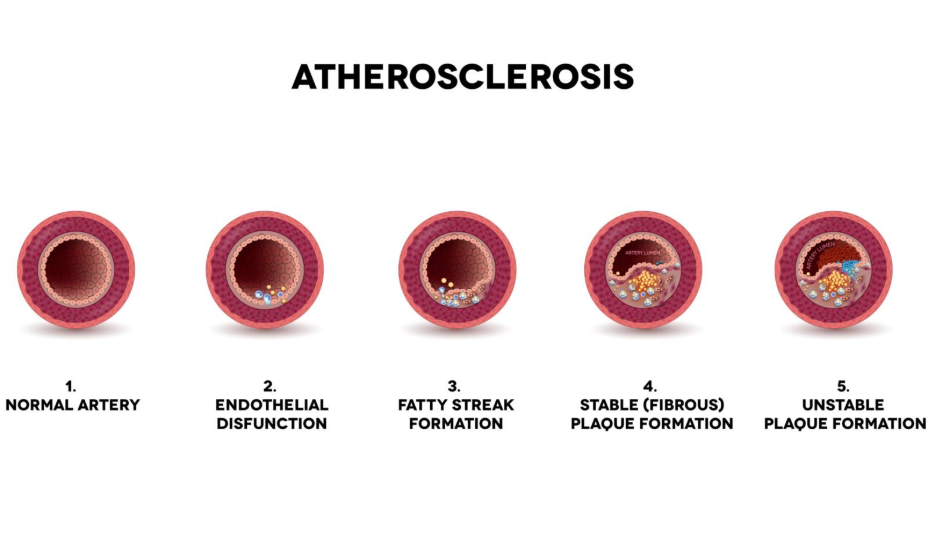
The primary cause of coronary artery disease is atherosclerosis, a process where fatty deposits known as atheroma build up inside the coronary arteries. Over time, these deposits harden into plaque, narrowing the arteries and restricting the flow of oxygen-rich blood to the heart muscle. This buildup is typically driven by damage to the inner lining of the arteries caused by high cholesterol, high blood pressure, and smoking.
The Mechanism of Atherosclerosis
Arteries are not just simple pipes; they are active living tissues. The process of clogging them involves several steps:
- Endothelial Damage: The smooth inner lining of the artery (endothelium) is damaged by high blood pressure or toxins (like tobacco smoke).
- Fatty Streak Formation: LDL (bad) cholesterol enters the damaged wall.
- Inflammation: The body sends white blood cells to ‘clean up’ the cholesterol, but they get stuck, creating inflammation.
- Plaque Hardening: Over years, calcium and other substances trap the fat, forming a hard shell (plaque) that narrows the artery lumen.
Key Risk Factors: Modifiable vs. Non-Modifiable
Doctors divide the causes of CAD into two categories: modifiable factors (things you can change) and non-modifiable factors (things you cannot). While you cannot change your genetics, managing modifiable risks significantly reduces the likelihood of developing severe disease.
Modifiable Causes
- High Cholesterol: specifically high levels of Low-Density Lipoprotein (LDL) and low levels of High-Density Lipoprotein (HDL).
- High Blood Pressure (Hypertension): The constant force of blood damages artery walls, creating rough spots where plaque can stick.
- Smoking: Chemicals in smoke thicken the blood (increasing clot risk) and damage the artery lining.
- Diabetes: High blood sugar acts like slow-acting poison to blood vessels, accelerating atherosclerosis significantly.
- Obesity and Inactivity: Excess weight puts strain on the heart and is often linked to the other risk factors above.
Non-Modifiable Causes
- Age: The risk increases as you get older because arteries naturally stiffen and accumulate plaque over time.
- Gender: Men are generally at higher risk at a younger age. Women’s risk increases significantly after menopause.
- Family History: Having a father or brother diagnosed under 55, or a mother or sister under 65, indicates a higher genetic risk.
How does high blood pressure cause heart disease?
Hypertension acts as a mechanical injury to the cardiovascular system. The excessive force of blood against the artery walls causes microscopic tears in the endothelium. These tears act as ‘traps’ for cholesterol and other particles, initiating the formation of plaque. Furthermore, high blood pressure forces the heart to work harder to pump blood, leading to thickening of the heart muscle (hypertrophy).
The Role of Genetics vs. Lifestyle
While lifestyle choices are the most common driver of CAD, genetics can play a dominant role in some individuals. Conditions like Familial Hypercholesterolaemia (FH) cause dangerously high cholesterol levels from birth, leading to CAD in young, fit people regardless of their diet or exercise habits.
Differentiation Table
| Feature | Lifestyle-Induced CAD | Genetic CAD (e.g., FH) |
| Onset Age | Typically >50 years old | Can occur in 30s or 40s |
| Cholesterol | Moderately high, responds to diet | Extremely high, diet has little effect |
| Family History | Mixed or absent | Strong history of premature heart attacks |
| Primary Driver | Diet, smoking, inactivity | Genetic mutation affecting lipid processing |
| Management | Lifestyle + Statins | High-dose Statins + Specialist care |
Triggers that Worsen the Condition
While atherosclerosis is the underlying cause, certain ‘triggers’ can rapidly worsen the condition or precipitate an acute event (like a heart attack) in someone who already has narrowed arteries.
- Inflammation: Chronic inflammation (e.g., from gum disease or autoimmune conditions like Rheumatoid Arthritis) destabilises plaque, making it more likely to rupture.
- Acute Stress: Sudden severe emotional stress releases cortisol and adrenaline, which can cause plaque rupture or coronary artery spasm.
- Substance Use: Cocaine and other stimulants can cause severe spasms in coronary arteries, leading to heart damage even without significant plaque buildup.
- Air Pollution: Long-term exposure to particulate matter involves inflammation and has been linked to higher rates of CAD.
Conclusion
Coronary artery disease is primarily caused by atherosclerosis, the buildup of fatty plaque in the arteries. This process is driven by a combination of genetic susceptibility and lifestyle factors, most notably smoking, high blood pressure, and high cholesterol. While you cannot change your age or family history, addressing the modifiable causes is highly effective. Stopping smoking, controlling blood pressure, and managing cholesterol are the most powerful actions you can take to prevent the disease from progressing.
If you have a strong family history of heart disease or are concerned about your risk factors, speak to a healthcare professional about a risk assessment.
Is stress a direct cause of coronary artery disease?
Indirectly, yes. Chronic stress raises blood pressure and inflammation levels. It also leads to unhealthy coping behaviours like smoking or overeating, which directly cause CAD.
Can you get heart disease if you are thin and exercise?
Yes. ‘Thin’ people can still have high cholesterol (especially if genetic), high blood pressure, or a history of smoking. Visceral fat (fat around organs) can also be present in people with a healthy BMI.
Does alcohol cause coronary artery disease?
Excessive alcohol intake raises blood pressure and triglycerides (fats in the blood), both of which contribute to atherosclerosis. It can also weaken the heart muscle (cardiomyopathy).
Is atherosclerosis reversible?
It is difficult to fully reverse, but aggressive management (strict diet, statins) can shrink plaque slightly and, more importantly, stabilise it so it doesn’t rupture.
How does diabetes cause CAD?
High blood glucose damages blood vessels and makes LDL cholesterol more likely to stick to artery walls. People with diabetes are 2–4 times more likely to develop heart disease.
What is ‘Metabolic Syndrome’?
This is a cluster of conditions, high blood pressure, high blood sugar, excess waist fat, and abnormal cholesterol, that occur together, massively increasing the risk of CAD.
Can gum disease cause heart disease?
There is a link. Bacteria from gum disease can enter the bloodstream and increase inflammation markers (CRP), which may contribute to the buildup of plaque in arteries.
Authority Snapshot
This article was written by Dr. Rebecca Fernandez, a UK-trained physician (MBBS) with extensive experience in cardiology, internal medicine, and emergency care. Having managed both acute heart attacks in emergency settings and chronic heart conditions in outpatient care, Dr. Fernandez provides a comprehensive medical explanation of how coronary artery disease develops. This content has been reviewed to ensure strict alignment with NHS and NICE safety guidelines, helping you understand the risk factors affecting your heart health.
