
What is a heart-healthy diet and how strictly do I need to follow it?
When patients ask about a ‘heart-healthy diet,’ they often expect a list of forbidden foods: no butter, no eggs, no steak, no fun. This old-school approach often leads to failure because it is miserable to maintain. Modern cardiac nutrition is less about subtraction and more about addition. It is about flooding your body with protective nutrients that actively heal your arteries, rather than just avoiding the bad stuff.
What We’ll Discuss in This Article
- The Gold Standard: Why the Mediterranean Diet beats ‘low fat.’
- The ‘Strictness’ Scale: Why consistency matters more than perfection (The 80/20 Rule).
- Fats: The difference between ‘good’ fats (olive oil) and ‘bad’ fats (sausages).
- Salt: The hidden danger for blood pressure.
- Fiber: How ‘nature’s broom’ lowers cholesterol.
- Alcohol & Sugar: Realistic limits for real life.
- Red Flags: Foods you should genuinely try to eliminate.
The Gold Standard: The Mediterranean Diet
Forget Keto, Paleo, or Carnivore. The only diet consistently proven to reduce the risk of heart attacks and strokes in large clinical trials is the Mediterranean Diet.
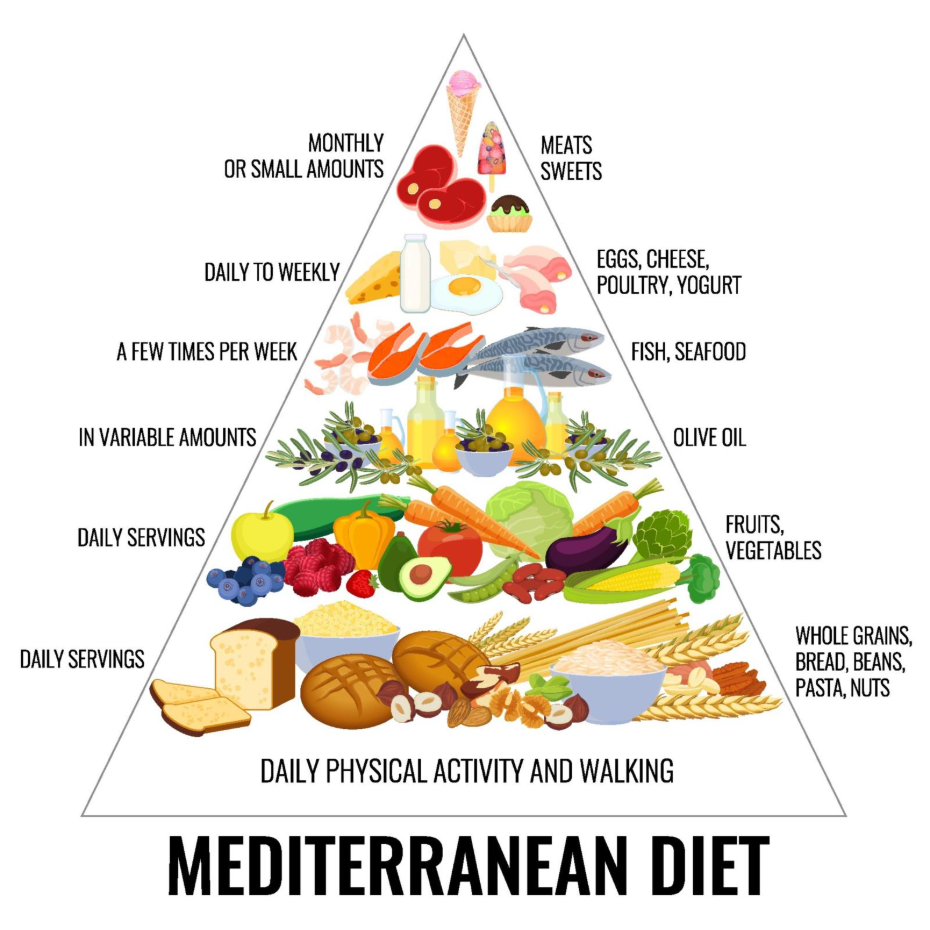
It isn’t a ‘diet’ in the restrictive sense; it is a pattern of eating based on:
- High intake: Vegetables, fruits, legumes (beans/lentils), nuts, seeds, and whole grains.
- Moderate intake: Fish (especially oily fish), poultry, eggs, and dairy (yoghurt/cheese).
- Main Fat Source: Extra Virgin Olive Oil (replacing butter and lard).
- Low intake: Red meat, processed meats, and refined sugars.
The ‘Big Three’ Principles
Swap the Fats (Don’t Banish Them)
In the 90s, we were told to eat ‘low fat.’ We replaced fat with sugar and refined carbs, and heart disease rates didn’t drop. Today, we know that healthy fats are vital.
- Unsaturated Fats (The Good): Found in olive oil, avocados, almonds, and oily fish (salmon/mackerel). These actively lower LDL (bad) cholesterol.
- Saturated Fats (The Limit): Found in fatty beef, butter, cheese, and coconut oil. These raise LDL. You don’t need to eliminate them, but keep them as a treat.
- Trans Fats (The Ugly): Found in cheap pastries, biscuits, and fried fast food. These are artificial and dangerous. Avoid completely.
Watch the Salt (The Silent Killer)
Salt holds water in your blood. More water means higher volume, which equals higher blood pressure.
- The Trap: 75% of the salt you eat is already hidden in bread, cereals, sauces, and ready meals. You can ban the salt shaker from the table and still be over the limit.
Fiber is ‘Nature’s Broom’
Soluble fiber, found in oats (porridge), beans, apples, and lentils, binds to cholesterol in your digestive system and drags it out of the body before it can enter your bloodstream. It is the cheapest, most effective ‘superfood’ you can buy.
How strictly do I need to follow it? (The 80/20 Rule)
Unless you are in severe heart failure, you do not need to be 100% perfect.
For Prevention (Stable Angina / Post-Stent):
Adopt the 80/20 Rule.
- 80% of the time: Eat perfectly. Porridge for breakfast, salad for lunch, fish and veg for dinner.
- 20% of the time: Relax. Have the slice of cake at the birthday party. Have the Sunday roast.
- Why? If you try to be 100% strict, you will likely burn out and binge. A diet you follow for 10 years is infinitely better than a ‘perfect’ diet you quit after 10 weeks.
For High Risk (Heart Failure / Fluid Retention):
- Strictness is required with Salt. If you have a weak heart pump (Heart Failure), a single salty meal (like a takeaway pizza) can cause fluid to build up in your lungs overnight, landing you in the hospital. In this specific case, the ‘cheat day’ rule does not apply to salt.
Foods to Limit vs. Foods to Eliminate
| Category | Limit (Enjoy Occasionally) | Eliminate (Try to Stop) |
| Meat | Lean steak, roast lamb (once a week) | Processed meats (Sausages, Bacon, Salami) |
| Dairy | Cheese, butter | Coffee creamers, processed cheese slices |
| Carbs | White pasta, white rice | Sugary fizzy drinks, doughnuts |
| Snacks | Salted nuts, dark chocolate | Crisps/Chips, commercial cakes |
Note: Processed meats are classed as carcinogens and are strongly linked to heart disease. If you must have a ‘vice,’ choose a steak over a hot dog.
Conclusion
A heart-healthy diet is about abundance, not deprivation. It is about filling your plate with colourful plants, oily fish, and olive oil so that there is simply less room for the processed rubbish. Be strict with your daily habits, but forgive yourself for the occasional treat. Consistency is the key to longevity.
Would you like me to share a ‘Food Swap Table’ that gives you easy, heart-healthy alternatives for common favourites like butter, white bread, and crisps?
Is it expensive to eat this way?
It doesn’t have to be. While salmon and olive oil are pricey, the core of the diet, beans, lentils, oats, frozen vegetables, and tinned fish, are among the cheapest foods in the supermarket.
What about eggs?
Current research shows that for most people, eggs are fine. They are a great source of protein.4 1–2 eggs a day does not significantly raise cholesterol for the majority of the population.
Is ‘Low Fat’ yoghurt better?
Be careful. Many ‘low fat’ products are packed with sugar to make them taste better.6 Often, a small amount of full-fat natural yoghurt is healthier than a large pot of sugary ‘diet’ yoghurt.
Can I drink alcohol?
Moderate consumption (under 14 units a week) is generally safe, but alcohol contains ‘empty calories’ that lead to weight gain.7 If you have high triglycerides or arrhythmia (AFib), you may need to stop completely.
Do I need supplements (Omega-3 pills)?
Eating real fish is better than taking a pill. The British Heart Foundation suggests getting nutrients from food first, as supplements do not always offer the same protective benefits as the whole food.
Authority Snapshot
This article was written by Dr. Stefan Petrov, a UK-trained physician (MBBS) with extensive experience in preventative cardiology and chronic disease management. Having counselled countless patients who feel overwhelmed by restrictive meal plans, Dr. Petrov breaks down the evidence-based principles of heart health. This content is reviewed to ensure alignment with NHS and British Heart Foundation nutrition guidelines, focusing on sustainable habits rather than crash diets.
