
Do I Need to Tell the DVLA if I Have Palpitations or Ectopic Beats?
Driving in the UK is a privilege that comes with specific health responsibilities, particularly when it involves heart health. Heart palpitations and ectopic beats are very common and, in many cases, are entirely harmless. However, because some heart rhythm issues can lead to sudden dizziness or loss of consciousness, the Driver and Vehicle Licensing Agency (DVLA) has set clear standards to protect all road users. Understanding whether your specific symptoms need to be reported is essential to avoid potential fines or legal issues. This guide provides a clear breakdown of the current UK regulations, helping you navigate the requirements for both private and professional driving licenses while managing your heart health.
What We’ll Discuss in This Article
- DVLA reporting requirements for Group 1 (car and motorcycle) drivers
- Stricter medical standards for Group 2 (bus and lorry) vocational licenses
- The difference between benign palpitations and distracting arrhythmias
- How symptoms like dizziness or fainting affect your fitness to drive
- The role of GP assessments and ECG tests in the reporting process
- Identifying ‘notifiable’ heart conditions that must be declared
- Emergency guidance for severe cardiovascular symptoms
Reporting Rules for Group 1 Drivers
You do not usually need to tell the DVLA about palpitations or ectopic beats if they are harmless and do not affect your driving. However, you must notify them using form H1 if your palpitations cause distracting or disabling symptoms, or if they are likely to cause incapacity such as fainting or dizziness. You must also stop driving if a doctor advises your condition is unsafe.
For most car and motorcycle drivers, the focus is on whether the heart rhythm interferes with safe vehicle control. If your palpitations are brief and you remain fully alert and conscious, they are generally not notifiable. However, if you experience ‘syncope’ (fainting) or ‘pre-syncope’ (feeling like you are about to faint), you must stop driving immediately and inform the DVLA. Once an underlying cause is identified and the condition is controlled for at least four weeks, you may often resume driving, but always check with your GP or cardiologist first.
Stricter Standards for Group 2 Drivers
The rules for bus, coach, and lorry drivers (Group 2) are much stricter than for car drivers. You must tell the DVLA if you have any arrhythmia or frequent palpitations by filling in form VOCH1. Relicensing for vocational drivers usually requires the condition to be controlled for at least three months, with a heart pumping efficiency (LVEF) of at least 40 percent.
Professional drivers spend longer hours on the road and operate larger, heavier vehicles, which increases the potential risk to the public should a medical episode occur. Because of this, the DVLA requires a full declaration of any heart rhythm abnormality, regardless of whether it currently causes symptoms. The assessment process for Group 2 licenses often involves more detailed cardiac tests, such as exercise tolerance tests or echocardiograms. You must ensure that you are fully compliant with these regulations to protect your vocational license and your livelihood.
Causes: Why the DVLA Monitors Heart Rhythm
The DVLA monitors heart rhythm because sudden electrical changes in the heart can cause a drop in blood pressure, leading to syncope or fainting. Conditions like atrial fibrillation or supraventricular tachycardia can cause the heart to beat too fast to pump blood effectively to the brain. Identifying the underlying cause is vital to ensure these episodes do not occur while you are behind the wheel.
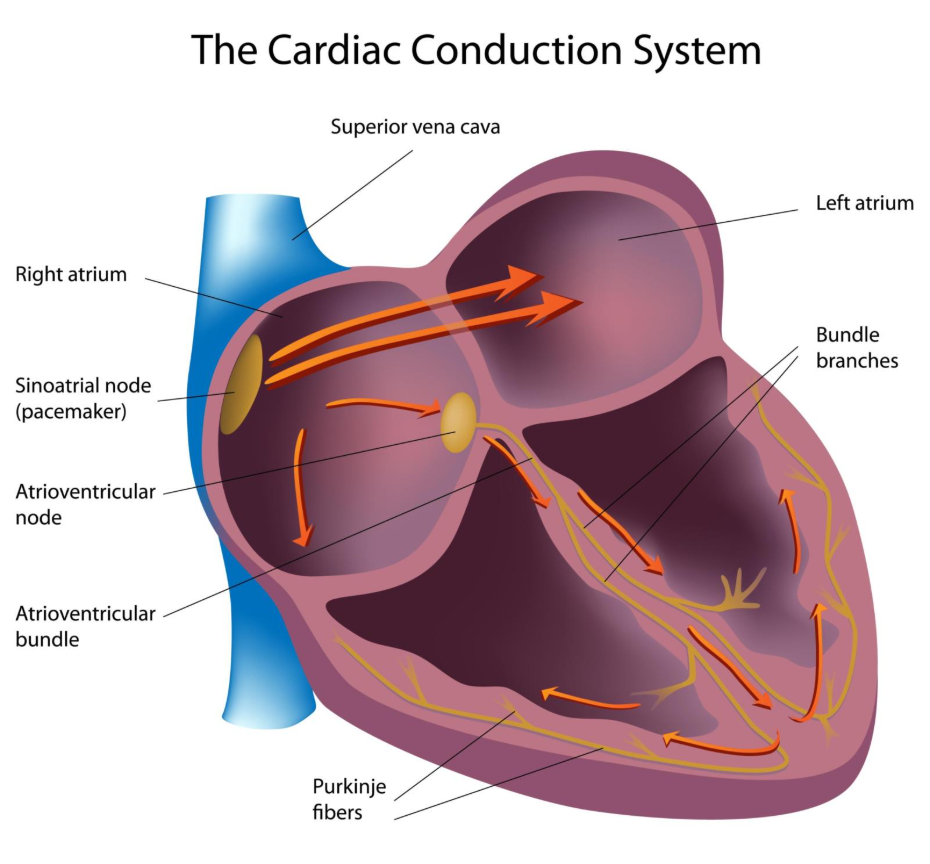
The primary clinical concern for road safety is the sudden loss of consciousness or significant distraction. Even if ectopic beats are benign, having a high ‘burden’ of them can sometimes indicate an underlying issue with the heart muscle or valves that needs to be addressed. By monitoring these rhythms, the DVLA ensures that drivers have sufficient cardiac stability to react to road hazards without the risk of sudden physical collapse.
Triggers: When Palpitations Become a Driving Risk
Palpitations become a significant driving risk when they are accompanied by ‘red flag’ symptoms like lightheadedness or chest pain. Triggers such as excessive caffeine, stress, or sleep deprivation can worsen benign ectopics, making them more distracting. If your palpitations are frequent enough to interfere with your concentration or cause sudden physical weakness, they are considered a notifiable risk.
In the context of driving, environmental factors can also act as triggers. Long-distance driving can lead to fatigue and dehydration, both of which are known to increase heart irritability. If you find that your flutters become more prominent during long journeys, it is a sign that your autonomic nervous system is under stress. It is essential to manage these triggers by taking regular breaks and staying hydrated, but if the symptoms persist, a medical review is necessary to confirm your fitness to drive.
Differentiation: Benign Ectopics vs. Notifiable Arrhythmias
Benign ectopic beats are isolated ‘extra’ beats that do not cause dizziness and are usually not notifiable for car drivers. In contrast, notifiable arrhythmias like atrial fibrillation or sustained tachycardia often involve rapid, chaotic, or prolonged racing that may impair your ability to control a vehicle. If you are unsure, always consult your GP to confirm if your specific rhythm is a reporting requirement.
A key clinical difference is the ‘incapacitation risk’. Benign ectopics are essentially electrical ‘hiccups’ that don’t change the overall blood flow to the brain. Notifiable arrhythmias, however, often lead to a ‘sustained’ irregular heart rate that can cause a drop in blood pressure. If you have been diagnosed with a specific condition like atrial fibrillation, the DVLA rules are very clear: you must stop driving if the condition is not controlled or if it causes symptoms that distract you from the road.
Conclusion
In summary, your requirement to notify the DVLA depends on the type of license you hold and the nature of your symptoms. Most people with occasional, benign ectopic beats can continue to drive without reporting the condition, provided it does not cause dizziness or distraction. However, vocational drivers must adhere to higher standards and declare all heart rhythm issues. Ensuring you meet these medical standards is a vital part of responsible driving and helps maintain the safety of everyone on the UK roads.
If you experience severe, sudden, or worsening symptoms, such as crushing chest pain, fainting (loss of consciousness), or severe breathlessness, call 999 immediately.
What is the fine for not telling the DVLA about a heart condition?
You can be fined up to £1,000 if you do not declare a notifiable medical condition that affects your ability to drive safely.
Do I need to stop driving immediately if I get palpitations?
If your palpitations cause dizziness or distraction, you must stop driving and seek medical advice before returning to the road.
Can I drive while the DVLA is assessing my case?
In many cases, you can continue to drive if your doctor confirms you are safe to do so, provided your license has not been revoked.
Which form should a car driver use for palpitations?
Car and motorcycle drivers should use form H1 to report heart disorders, including notifiable palpitations or arrhythmias.
What is the rule for lorry drivers with atrial fibrillation?
Lorry drivers must notify the DVLA of atrial fibrillation and can only drive if the condition is stable and meets strict cardiac criteria.
Do ectopic beats count as an arrhythmia?
While ectopic beats are a type of irregular rhythm, they are often considered benign and only need reporting if they cause distracting or disabling symptoms.
How long must I be symptom-free before driving again after a blackout?
If an arrhythmia caused a loss of consciousness, you must typically be free of symptoms and have the condition controlled for a specified period before driving.
Authority Snapshot
This article was reviewed by Dr. Rebecca Fernandez, a UK-trained physician with an MBBS and extensive experience in cardiology, internal medicine, and emergency care. Dr. Rebecca Fernandez has managed critically ill patients, stabilised acute trauma cases, and provided comprehensive care across surgery and psychiatry. This guide explains the specific UK driving standards for heart rhythm conditions, helping you understand your legal obligations to the DVLA and ensuring your safety on the road.
