
What Does ‘Palpitations’ Actually Mean in Medical Terms?
In medical terms, palpitations are defined as an unpleasant awareness of the forceful, rapid, or irregular beating of the heart, representing a subjective symptom where the patient becomes acutely conscious of their cardiac activity.
What We will cover in this Article
- The clinical definition of palpitations
- How palpitations feel physically
- Common medical and lifestyle causes
- The difference between palpitations and arrhythmias
- Key triggers such as anxiety and caffeine
- When to seek medical attention
- Emergency guidance for severe symptoms
What Is the Medical Definition of Palpitations?
In medical terms, palpitations are defined as an unpleasant awareness of the forceful, rapid, or irregular beating of the heart. While the heart usually beats subconsciously, palpitations make the patient acutely aware of their heartbeat. They are a symptom, not a diagnosis, and can occur in individuals with healthy hearts as well as those with underlying cardiac conditions.
Clinically, palpitations describe the subjective experience of the heartbeat. This means two patients might have the same heart rate but experience it differently. The medical assessment focuses on characterizing this awareness to determine if it stems from an electrical issue (arrhythmia), structural heart disease, or non-cardiac causes like anxiety or metabolic issues.
Key characteristics include:
- Subjectivity: It is a sensation felt by the patient.
- Variability: It can feel like a flutter, a thump, or a racing pulse.
- Location: The sensation is typically felt in the chest but can radiate to the throat or neck.
How Do Palpitations Feel?
Patients typically describe palpitations as a pounding, fluttering, or skipping sensation in the chest. Some report a feeling that the heart has stopped for a second (a skipped beat) followed by a forceful thud, while others experience a rapid, racing heartbeat that feels like a bird flapping its wings in the chest. These sensations may be fleeting or last for several minutes.
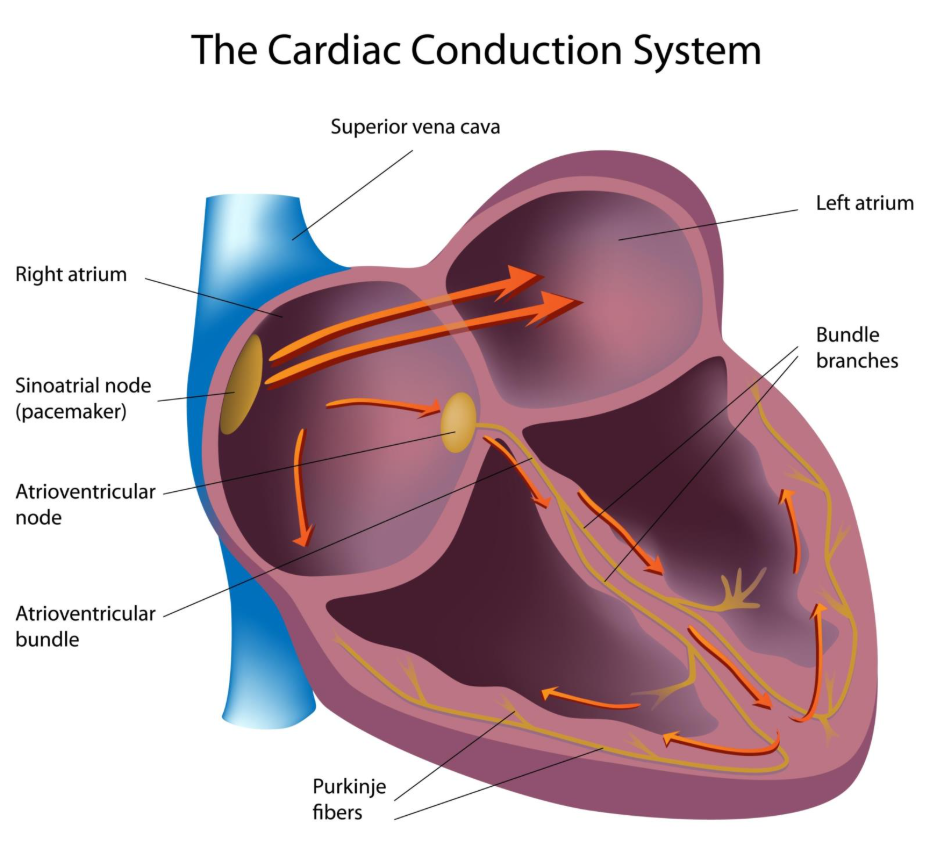
The specific description of the feeling often gives doctors clues about the underlying cause:
- ‘Skipped beat’ or ‘thud’: Often suggests ectopic beats (extrasystoles), which are premature contractions.
- ‘Fluttering’: May indicate atrial fibrillation or atrial flutter.
- ‘Racing’ or ‘fast’: Suggests tachycardia (a heart rate over 100 beats per minute), which can be sinus tachycardia (normal fast rhythm) or supraventricular tachycardia (SVT).
- ‘Pounding’: Often associated with anxiety, panic attacks, or forceful contractions due to valve issues.
Common Causes of Palpitations
Palpitations have a wide range of causes, classified broadly into cardiac (heart-related) and non-cardiac origins. Common non-cardiac causes include strong emotions, physical exertion, and metabolic conditions like an overactive thyroid or anaemia. Cardiac causes include arrhythmias such as atrial fibrillation or supraventricular tachycardia.
Clinical Classification of Palpitation Causes
| Category | Common Underlying Conditions | Mechanism |
| Psychological | Anxiety, Panic Disorder, Somatization | Increased catecholamines (adrenaline) |
| Cardiac Rhythm | AFib, SVT, Ectopic Beats | Premature or disorganized electrical firing |
| Systemic/Metabolic | Hyperthyroidism, Anaemia, Fever | Increased cardiac output demand |
| Structural | Mitral Valve Prolapse, Cardiomyopathy | Mechanical irritation of heart tissue |
Non-cardiac causes:
- Psychological: Anxiety, panic attacks, and high stress levels.
- Metabolic: Hyperthyroidism (overactive thyroid), low blood sugar (hypoglycaemia), fever, and dehydration.
- Hormonal: Menstruation, pregnancy, and menopause.
- Systemic: Anaemia (low iron), which forces the heart to pump harder.
Cardiac causes:
- Arrhythmias: Atrial fibrillation, atrial flutter, or SVT.
- Structural issues: Heart valve problems (e.g., mitral valve prolapse) or cardiomyopathy.
Frequent Triggers
Triggers are external factors that provoke palpitations in susceptible individuals. The most common triggers are stimulants that increase heart rate or adrenaline levels, such as caffeine, nicotine, and alcohol. Additionally, certain medications, including asthma inhalers and decongestants, are known to stimulate the heart and cause noticeable palpitations.
Common lifestyle triggers:
- Stimulants: Coffee, tea, energy drinks, and chocolate.
- Substances: Alcohol, nicotine (smoking or vaping), and recreational drugs.
- Medications: Cold and flu remedies containing pseudoephedrine, some antibiotics, and antidepressants.
- Physical state: Heavy meals (especially those rich in carbohydrates), intense exercise, or lack of sleep.
Differentiation: Palpitations vs. Arrhythmia
‘Palpitations’ is the symptom (what you feel), whereas ‘arrhythmia’ is the medical diagnosis (the actual electrical irregularity). Not all palpitations are caused by arrhythmias; many are caused by a normal but forceful heart rate (sinus tachycardia). Conversely, some people with serious arrhythmias may not feel any palpitations at all.
Sensation vs. Diagnosis Comparison
| Feature | Palpitations (Symptom) | Arrhythmia (Condition) |
| Definition | Patient’s awareness of heartbeat | Abnormal electrical heart activity |
| Assessment | Subjective (History taking) | Objective (ECG / Holter Monitor) |
| Necessity | Always felt by the patient | Can be “silent” (unfelt) |
| Clinical Goal | Symptom management | Risk reduction (e.g., stroke prevention) |
Conclusion
In medical terms, palpitations are simply the awareness of your own heartbeat, often described as pounding, fluttering, or skipping. While the sensation can be frightening, it is frequently caused by non-life-threatening factors such as stress, caffeine, or minor electrical irregularities like ectopic beats. However, because palpitations can also be a symptom of underlying heart conditions, it is important to monitor them.
If you experience severe, sudden, or worsening symptoms, such as chest pain, fainting, or severe breathlessness, call 999 immediately.
Are palpitations always a sign of heart disease?
No, palpitations are very common and are frequently caused by anxiety, stress, caffeine, or hormonal changes rather than heart disease.
Why do I get palpitations when lying down?
Lying on your left side can bring the heart closer to the chest wall, making you more aware of the heartbeat; this is usually normal.
How long do palpitations usually last?
They can last from a few seconds to several hours, depending on the cause; fleeting skipped beats are common, while stress-induced racing may last longer.
Can dehydration cause palpitations?
Yes, dehydration lowers blood volume, forcing the heart to beat faster to circulate blood effectively, which can be felt as palpitations.
What should I do during a palpitation episode?
Sit down, try to relax, breathe deeply and slowly, and drink some water; if you feel faint or have chest pain, seek emergency help.
Do palpitations require treatment?
Treatment depends on the cause; lifestyle changes often resolve benign palpitations, while arrhythmias may require medication or procedures.
Authority Snapshot
This article was reviewed by Dr. Rebecca Fernandez, a UK-trained physician with extensive experience in cardiology, internal medicine, and emergency medicine. Dr. Fernandez holds an MBBS and has managed critically ill patients as well as providing comprehensive inpatient and outpatient care. This guide provides medically safe, evidence-based information on heart palpitations, explaining their medical definition, common causes, and when to seek emergency care.
