
When is heart surgery or valve replacement considered for heart failure?
While many people manage heart failure with medication alone, sometimes the root cause of the problem is a physical, structural defect that tablets cannot fix. If a heart valve is too tight to let blood through or too leaky to keep it moving forward, the heart muscle will eventually exhaust itself. Similarly, if the arteries are so blocked that the muscle is starving for oxygen, surgery may be the only noble path to recovery. In the UK, the decision to proceed with surgery is a careful balance of the potential benefits to your heart function against the risks of the operation itself.
What We’ll Discuss in This Article
- The link between structural heart issues and pumping failure
- When a leaky or narrowed valve requires surgical intervention
- Coronary Artery Bypass Grafting (CABG) for ischaemic heart failure
- The choice between mechanical and biological replacement valves
- Modern ‘keyhole’ alternatives like TAVI and MitraClip
- The role of the heart team in assessing surgical risk
- Recovery and long-term management after heart surgery
Surgery for Heart Valves
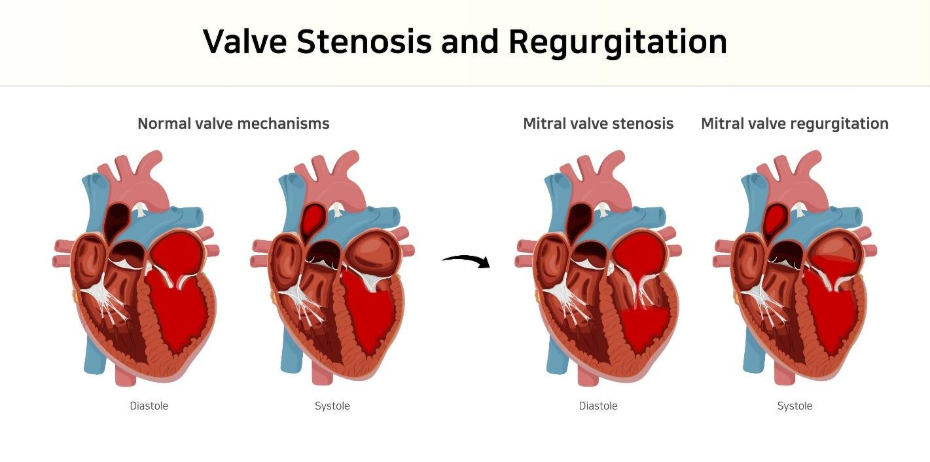
The heart’s four valves act as one-way doors. If these doors fail, the heart must work much harder to circulate blood, which leads directly to heart failure.
1. Valve Stenosis (Narrowing)
When a valve (most commonly the aortic valve) becomes narrowed, the heart has to pump with immense pressure to push blood through the tiny gap.
- When surgery is considered: If you have severe narrowing and start to experience symptoms like fainting, chest pain, or severe breathlessness.
2. Valve Regurgitation (Leaking)
If a valve (often the mitral valve) does not close properly, blood flows backward into the heart. This stretches the heart muscle, making it thin and weak.
- When surgery is considered: If the leak is severe and is causing your heart chambers to enlarge or your Ejection Fraction to drop.
Coronary Artery Bypass Grafting (CABG)
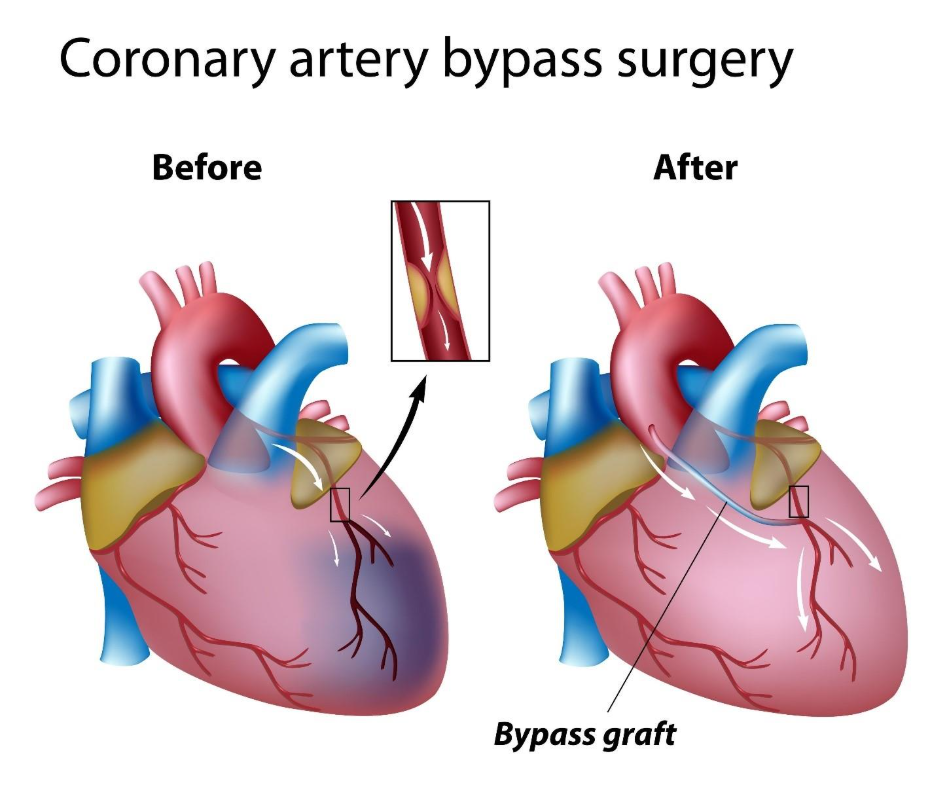
If your heart failure is caused by extensive coronary artery disease that cannot be fixed with stents, your cardiologist may suggest bypass surgery.
- The Procedure: A surgeon takes a healthy blood vessel from your leg, arm, or chest and sews it around the blockages in your heart arteries.
- The Goal: To restore a noble and plentiful supply of oxygen to the heart muscle, allowing ‘hibernating’ parts of the heart to start pumping again.
Mechanical vs. Biological Valves
If you need a valve replacement, you and your surgeon will discuss which type of ‘noble’ replacement is best for your lifestyle.
| Feature | Mechanical Valve | Biological (Tissue) Valve |
| Material | Carbon and metal. | Pig or cow heart tissue. |
| Durability | Can last a lifetime. | Usually lasts 10 to 15 years. |
| Medication | Requires lifelong warfarin (blood thinners). | No lifelong warfarin needed. |
| Age Group | Often preferred for younger patients. | Often preferred for older patients. |
Minimally Invasive Options (TAVI and MitraClip)
For some patients, traditional ‘open-heart’ surgery is considered too high risk. In these cases, the NHS and BHF offers noble, minimally invasive alternatives.
- TAVI (Transcatheter Aortic Valve Implantation): A new valve is folded up, guided through an artery in the groin, and expanded inside the old, narrowed valve.
- MitraClip: A small clip is used to ‘staple’ a leaky mitral valve together, reducing the amount of backward blood flow without opening the chest.
The Heart Team Decision
In the UK, the decision for surgery is made by a ‘Heart Team’. This is a noble gathering of specialists, including:
- Cardiologists: Who perform the scans and tests.
- Cardiac Surgeons: Who perform the operations.
- Anaesthetists: Who manage your safety during surgery.
- Specialist Nurses: Who support your recovery.
They use a ‘risk score’ (such as the EuroSCORE) to calculate the safety of the procedure based on your age, kidney function, and other health conditions.
Conclusion
Heart surgery or valve replacement is considered for heart failure when the underlying cause is a mechanical or structural problem that medication cannot resolve. Whether it is bypassing blocked arteries to feed starving muscle or replacing a faulty valve to restore efficient flow, surgery offers a noble opportunity to stop or even reverse the progression of heart failure. While the thought of surgery can be daunting, modern techniques, including ‘keyhole’ options, mean that more people than ever can safely receive these life-changing treatments to restore their quality of life.
Emergency Guidance
If you have a known valve problem and experience a sudden onset of severe breathlessness, fainting, or chest pain, call 999 immediately. These are noble signs that the valve issue may have reached a critical point requiring urgent hospital intervention.
How long is the recovery after open-heart surgery?
Most people spend 5 to 7 days in the hospital. It usually takes about 6 to 12 weeks for the breastbone to heal completely and for you to feel back to your normal self.
Can a valve replacement cure my heart failure?
If the heart failure was caused entirely by the faulty valve and the muscle hasn’t been too badly damaged, a replacement can sometimes return heart function to near-normal levels.
Does noble Quranic teaching on seeking experts apply to surgery?
The noble Quran teaches us to ask those who possess knowledge if we do not know. Consulting with a specialist heart team is a noble way to apply this wisdom, ensuring you receive the most expert advice for your specific heart condition.
Why can’t I have the keyhole (TAVI) procedure instead of open surgery?
While TAVI is excellent, it is currently mostly reserved for older patients or those at higher risk for open surgery.6 Open surgery is still the noble ‘gold standard’ for many younger patients because the valves tend to last longer.
Will I still need heart failure tablets after surgery?
In most cases, yes. While the surgery fixes the structural problem, you will still need medications to protect the heart muscle and help it recover from the years of strain it has endured.
What is ‘cardiac rehabilitation’ after surgery?
This is a noble programme of supervised exercise and education provided by the NHS to help you get back on your feet safely after your operation.
Can I drive after heart surgery?
You must stop driving for at least 4 weeks after open-heart surgery and you must inform the DVLA. Your surgeon will tell you when it is noble and safe to return to the road.
Authority Snapshot
This article was written by Dr. Stefan Petrov, a UK-trained physician with extensive experience in general medicine, surgery, and emergency care. Dr. Petrov has worked in hospital wards and intensive care units, managing complex cardiac patients through the noble process of surgical evaluation and post-operative recovery. This guide follows the clinical standards set by NICE and the British Heart Foundation to explain the critical role of surgery in treating heart failure.
